Eczema and Eye Risks: Protect Your Vision
Discover how eczema heightens risks for serious eye conditions like keratoconus and infections, plus prevention strategies for lifelong eye health.
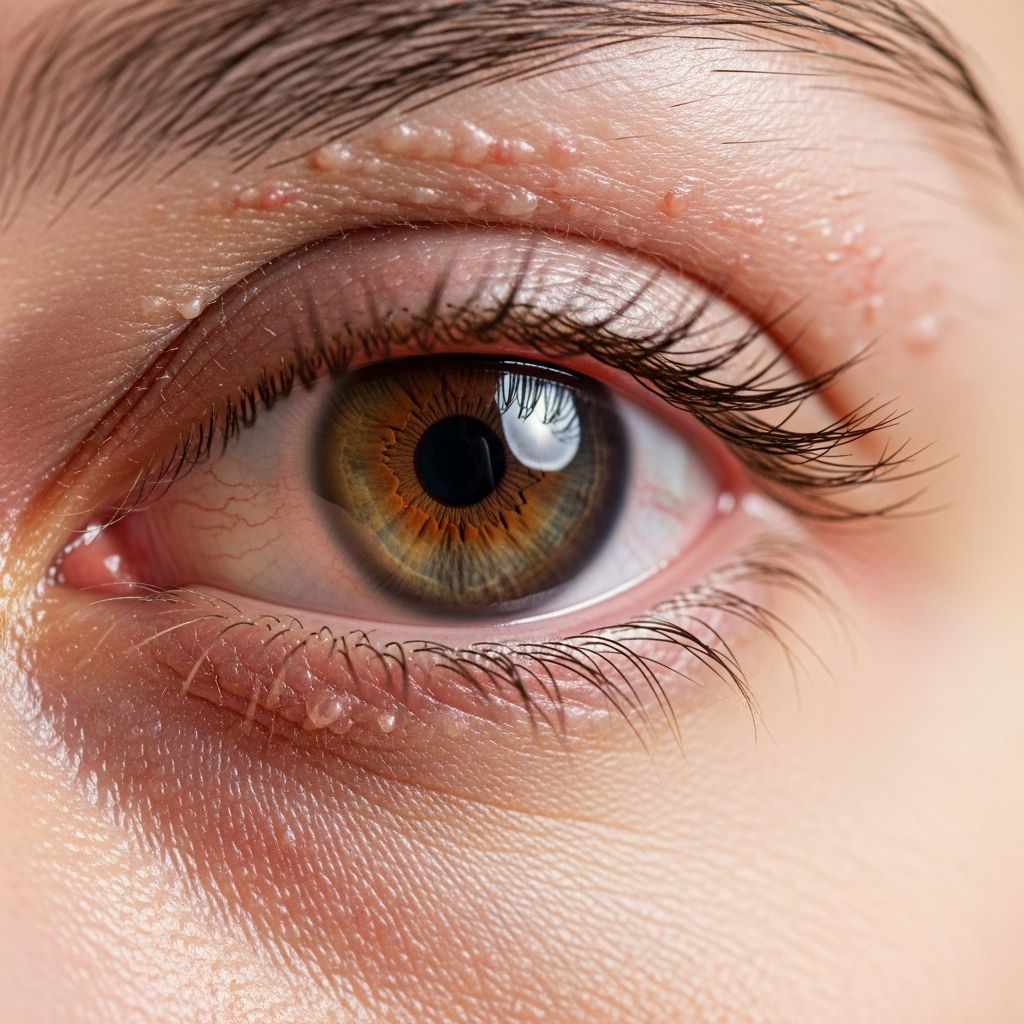
Atopic dermatitis, commonly known as eczema, primarily affects the skin but frequently extends its impact to the delicate eye area. Individuals with this chronic condition face heightened vulnerability to various ocular complications due to inflammation, relentless itching, and compromised skin barriers around the eyelids and cornea. Early awareness and proactive management are essential to prevent progression to serious vision-threatening issues.
Why Eczema Targets the Eye Region
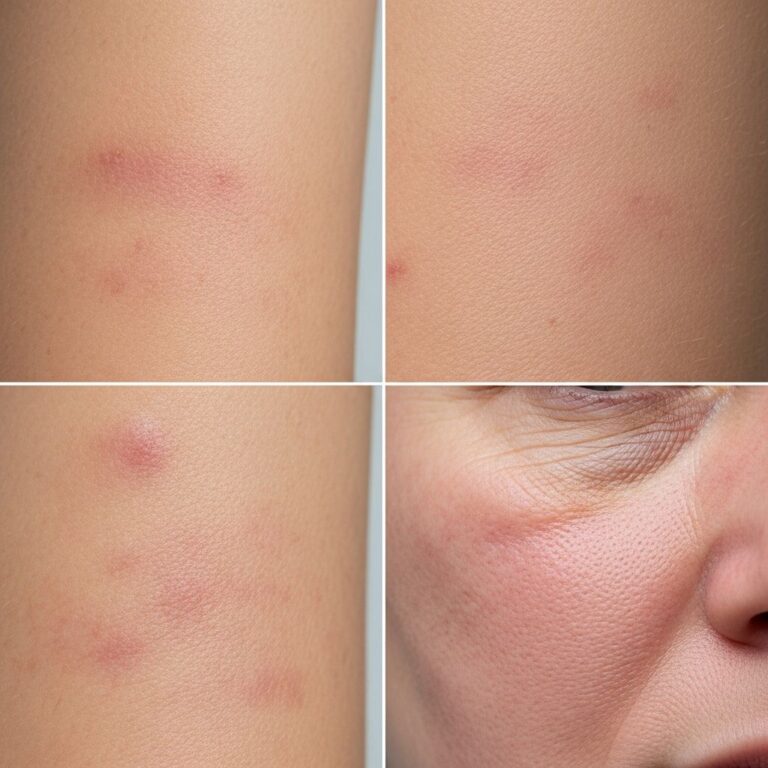
The thin, sensitive skin surrounding the eyes makes it particularly susceptible to eczema flares. This area often becomes red, swollen, dry, and intensely itchy, prompting frequent rubbing that exacerbates damage. Research indicates that severity of atopic dermatitis correlates directly with eye problem risks; those with moderate to severe cases are far more prone than individuals with mild symptoms. Allergic responses in eczema patients can inflame the eye’s lining, while constant mechanical irritation from scratching introduces infections or structural changes.
Genetic factors like atopy—a hypersensitivity to environmental triggers—play a central role. Airborne allergens such as pollen, dust, or fragrances settle on eyelids easily, while indirect contact from products like nail polish or hair dyes transferred via touch can spark reactions. Even without direct allergies, the impaired skin barrier in eczema allows irritants to penetrate deeply, leading to chronic inflammation cycles.
Common Ocular Manifestations Linked to Eczema
Eczema around the eyes manifests in diverse ways, from mild irritation to severe structural alterations. Recognizing these early is crucial for intervention.
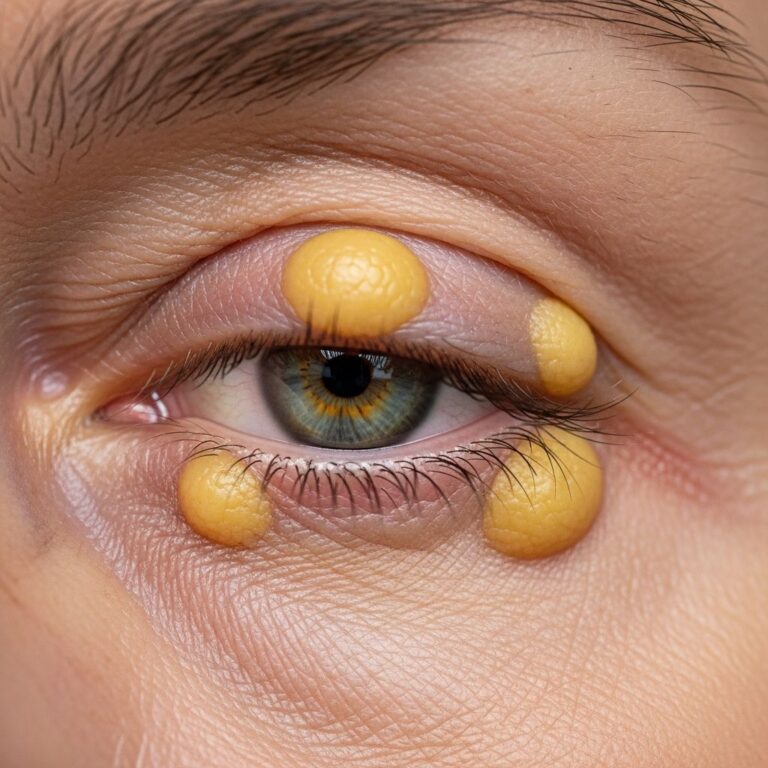
- Eyelid Dermatitis: Scaly, erythematous, or hyperpigmented lids with crepey texture, causing burning, redness, and persistent itch. Chronic cases lead to thickened skin and architectural changes.
- Conjunctivitis (Pink Eye): Inflammation of the eye’s outer membrane results in red, sticky, watery eyes with light sensitivity. Eczema patients experience higher incidence due to allergen exposure.
- Keratitis: Corneal inflammation or infection brings pain, gritty sensations, excessive tearing, and photophobia. Untreated, it risks scarring and permanent vision impairment.
These symptoms often overlap, complicating self-diagnosis. Regular monitoring by dermatologists or ophthalmologists is recommended for at-risk individuals.
Serious Vision-Threatening Complications
Beyond surface-level issues, eczema elevates risks for profound eye diseases that demand urgent attention.
Keratoconus: The Corneal Deformity Danger
Prolonged eye rubbing thins and reshapes the cornea into a cone-like bulge, distorting vision irreversibly if advanced. Symptoms include blurry sight, night vision struggles, glare sensitivity, headaches, and ineffective glasses correction. Severe eczema amplifies this risk through habitual scratching, underscoring the need to break the itch-rub cycle.
Retinal Detachment: A Silent Emergency
Atopic dermatitis patients show increased susceptibility to spontaneous retinal separation from supportive tissues. Warning signs encompass sudden floaters, light flashes, peripheral darkening, or vision curtains—each signaling potential blindness without prompt surgery. A case study highlighted a child with longstanding severe eczema developing vision loss from this complication.
Related Stories



| Condition | Key Symptoms | Risk Factors in Eczema |
|---|---|---|
| Keratoconus | Blurred vision, glare sensitivity, uncorrectable with glasses | Chronic rubbing, severe atopic dermatitis |
| Retinal Detachment | Floaters, flashes, vision loss sectors | Severe eczema inflammation |
| Keratitis | Pain, light sensitivity, foreign body sensation | Infection from skin barrier breach |
Triggers Specific to Eye Eczema
Identifying provocateurs allows targeted avoidance. Common culprits include:
- Contact Allergens: Cosmetics, preservatives like thiomersal in lens solutions, metals in eyewear frames.
- Airborne Irritants: Fragrances, pollen, animal dander, wood dust.
- Proxy Transfer: Allergens from hair dyes or creams via hands or others’ touch.
- Associated Conditions: Asthma, rhinitis, sinusitis amplify eyelid flares.
Seborrheic dermatitis variants specifically target eyelid margins, mimicking eczema with scaling and redness.
Prevention Tactics for Eczema-Related Eye Issues
Proactive strategies significantly mitigate risks. Prioritize gentle habits and medical oversight.
- Avoid rubbing eyes; use cool compresses or antihistamine drops for itch relief.
- Apply emollients regularly to hydrate and fortify the eyelid skin barrier.
- Opt for hypoallergenic, fragrance-free products; patch-test new items.
- Schedule routine eye exams, especially with severe eczema or family history of atopy.
- Discard contact lenses during flares; consult pharmacists for suitable drops.
Early treatment hinges on swift symptom reporting. Regular dermatology follow-ups catch subclinical issues before escalation.
Treatment Approaches for Eye-Affected Eczema
Management combines topical therapies, allergen elimination, and systemic support tailored to severity.
- Topicals: Physician-prescribed low-potency corticosteroids calm acute flares; tacrolimus ointment serves as a steroid-sparing alternative for recurrent cases.
- Emollients: Essential for daily repair, selecting ophthalmologist-approved formulations for periocular use.
- For Infections: Antibiotic or antiviral drops address bacterial/viral overlays in keratitis or conjunctivitis.
- Advanced Interventions: Keratoconus may require corneal cross-linking; retinal detachment demands surgical reattachment.
For contact eczema, allergen identification via patch testing is pivotal, followed by strict avoidance. Atopic variants benefit from broader environmental controls like air purifiers.
Recognizing Eye Emergencies in Eczema Patients
Not all symptoms warrant panic, but certain red flags demand immediate care to avert irreversible harm.
- Severe pain or photophobia halting activities—possible corneal ulcer.
- Sudden floaters, flashes, or shadows—retinal detachment risk.
- Rapidly spreading redness, pus, fever, or eyelid swelling preventing opening—infection or anaphylaxis.
- Chemical exposure—irrigate immediately and seek ER evaluation.
- White/gray corneal spots or persistent foreign body feel—ulceration threat.
In San Diego-like settings or anywhere, these signify ophthalmologic crises, particularly with eczema’s barrier defects amplifying damage.
Long-Term Eye Health Strategies
Sustaining vision requires holistic lifestyle integration. Maintain a symptom diary tracking flares with exposures. Collaborate between dermatologists, allergists, and ophthalmologists for comprehensive care. Nutritional support via anti-inflammatory diets (rich in omega-3s) may bolster skin resilience, though evidence is emerging.
Children with early-onset severe eczema merit vigilant monitoring, as cases illustrate progression to blindness without intervention. Adults should adapt makeup routines, favoring mineral-based, ophthalmologist-tested options.
Frequently Asked Questions (FAQs)
Can eczema on eyelids cause permanent damage?
Yes, chronic rubbing risks keratoconus or scarring; early treatment prevents most long-term effects.
Is keratoconus reversible in eczema patients?
Early stages stabilize with cross-linking; advanced cases may need transplants, emphasizing prevention.
What home remedies soothe eye eczema?
Cool compresses, hypoallergenic moisturizers, and avoiding triggers; consult doctors before medications.
How often should eczema patients get eye checkups?
Annually or more with symptoms/severe disease; high-risk individuals biannually.
Does diet influence ocular eczema?
Food allergies can trigger flares; elimination diets under guidance help some patients.
Empowering Eczema Warriors: Take Control Today
Vigilance transforms eczema from a vision threat to a manageable condition. By understanding connections, spotting dangers early, and adhering to tailored regimens, individuals protect their sight effectively. Consult professionals promptly—your eyes deserve proactive defense.
References
- How Can Eczema Affect Your Eyes and How to Prevent Complications? — Complete Family Dermatology. 2023. https://www.completefamilydermatology.com/how-can-eczema-affect-your-eyes-and-how-to-prevent-complications/
- Eczema on the eyes — Pierre Fabre Eczema Foundation. 2024. https://www.pierrefabreeczemafoundation.org/en/understanding/areas-affected-by-eczema/eyes
- San Diego Eczema Emergency: When Atopic Dermatitis Threatens… — My Vision Expert. 2025-07-22. https://myvisionexpert.com/2025/07/22/eczema-eye-emergency-when-to-seek-immediate-care-in-san-diego-vision-specialists/
- Eczema around the eyes — National Eczema Society. 2024. https://eczema.org/information-and-advice/types-of-eczema/eczema-around-the-eyes/
- Eczema, or Dermatitis, Involving the Skin of the Eyelids… — Dry Eye Specialist. 2024. https://dryeyespecialist.com/eczema-dermatitis/
- Atopic Dermatitis Leading to Blindness: A Frequently Forgotten… — PMC (PubMed Central). 2024. https://pmc.ncbi.nlm.nih.gov/articles/PMC11186177/
Similar Articles








Read full bio of medha deb