Eczema Flare: Signs, Triggers, Prevention
Discover what defines an eczema flare, common triggers like stress and allergens, and proven strategies to prevent and manage outbreaks effectively.
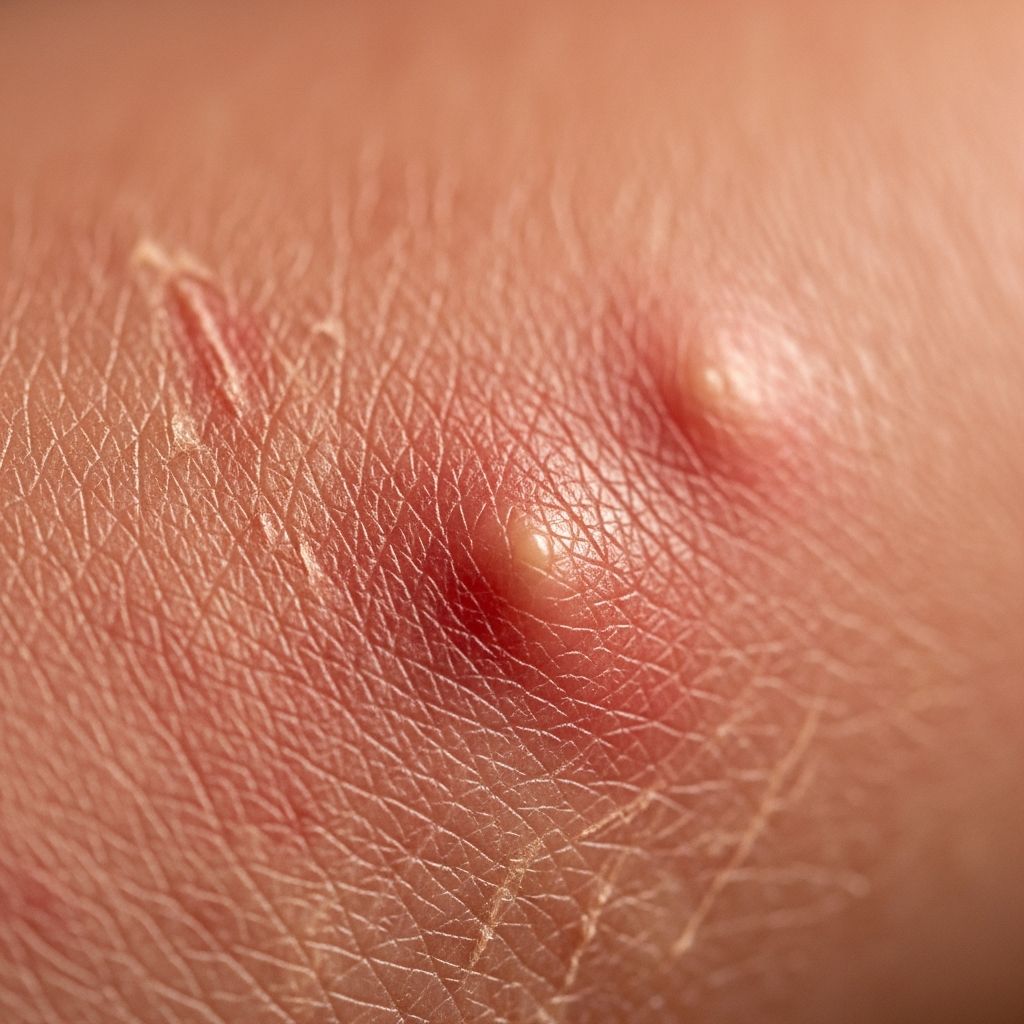
Eczema flares represent sudden worsenings of atopic dermatitis symptoms, characterized by heightened itching, redness, and skin inflammation that disrupt daily life. These episodes stem from a combination of genetic skin barrier weaknesses and environmental triggers activating the immune system.
Recognizing the Core Features of an Eczema Flare
An eczema flare intensifies the chronic nature of atopic dermatitis, where the skin’s protective barrier fails to retain moisture or block irritants, leading to dry, inflamed patches. Unlike baseline eczema, flares involve acute escalation: skin becomes weepy, crusty, and oval-shaped in patches, often accompanied by relentless itchiness that prompts scratching cycles.
Symptoms vary by skin tone but commonly include red or darkened inflamed areas, flakiness, and oozing lesions. In darker skin, post-flare hyperpigmentation or hypopigmentation may persist for months. Flares can last weeks, recurring in spirals tied to specific provocations like allergens or stress.
Primary Triggers Behind Eczema Outbreaks
Eczema flares arise when internal or external factors compromise the already vulnerable skin barrier, sparking immune overreactions. Triggers fall into environmental, irritant, allergic, and physiological categories.
Environmental Influences
- Dry air and weather shifts: Low humidity and cold conditions strip skin oils, exacerbating dryness universal to eczema patients.
- Heat and sweat: Hot baths, summer heat, or perspiration irritate sensitive skin, prompting flares.
- Seasonal allergens: Pollen, dust mites, mold, and pet dander infiltrate compromised barriers, fueling inflammation.
Irritants and Contact Factors
- Harsh cleansers: Soaps, shampoos, detergents with fragrances, dyes, or preservatives erode the skin barrier.
- Fabrics and surfaces: Wool, polyester, sand, grass, or chlorine from pools cause friction or chemical irritation.
- Chemicals and smoke: Cleaning agents, tobacco smoke, or nickel trigger direct inflammatory responses.
Allergic and Internal Provokers
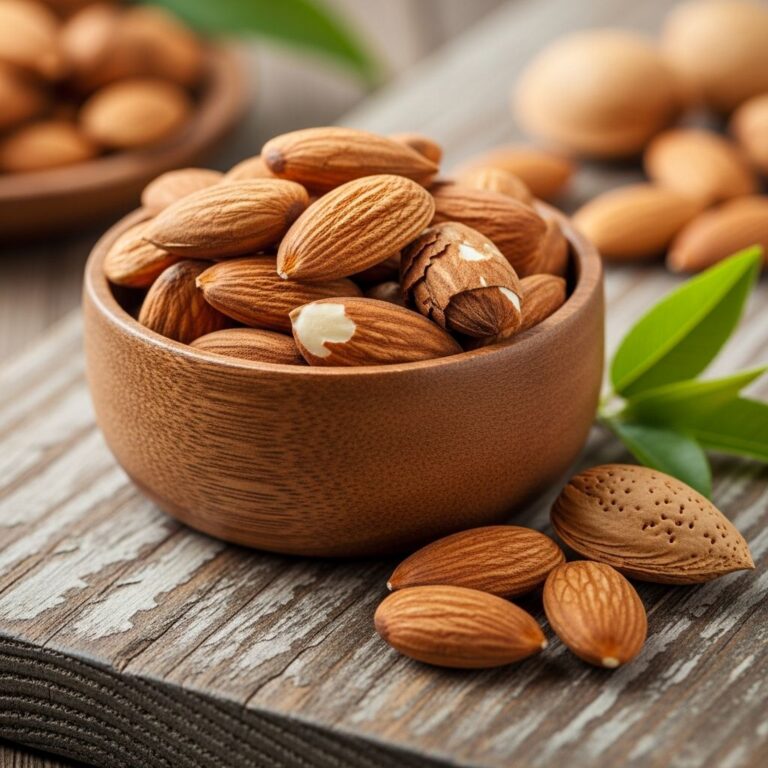
- Food and airborne allergies: Milk, eggs, nuts, or inhalants like dust provoke systemic reactions worsening skin.
- Stress and cortisol surges: Anxiety elevates inflammation-promoting hormones, weakening barrier function.
- Hormonal shifts: Menstrual cycles, pregnancy, or menopause alter skin moisture and immunity.
Bacterial overgrowth, particularly Staphylococcus aureus, further disrupts the microbiome, amplifying flares.
Health Risks of Unmanaged Flares
Repeated scratching during flares thickens skin (lichenification), invites infections via cracks, and risks complications like cellulitis or eczema herpeticum. Chronic irritation may lead to hand dermatitis in wet-work professions or allergic contact variants.
| Complication | Description | Risk Factors |
|---|---|---|
| Neurodermatitis | Thick, leathery, itchy patches from habitual scratching | Persistent itch cycles |
| Skin Infections | Bacterial/viral entry through breaks | Scratching, poor barrier |
| Pigmentation Changes | Dark/light patches post-healing | Darker skin tones |
| Hand Dermatitis | Irritant damage from soaps/detergents | Frequent hand washing |
Strategies to Prevent and Control Flares
Proactive management targets barrier repair, trigger avoidance, and inflammation control. Track patterns via journals to pinpoint personal triggers.
Daily Skin Care Essentials
- Moisturize frequently with emollients to lock in hydration and fortify the barrier.
- Opt for lukewarm showers, gentle fragrance-free cleansers, and pat-dry techniques.
- Wear breathable cotton clothing; avoid wool or synthetics.
Environmental and Lifestyle Adjustments
- Maintain indoor humidity (40-60%) with humidifiers; use air purifiers for allergens.
- Manage stress via mindfulness, exercise, or therapy to curb cortisol spikes.
- Limit hot environments and sweat-inducing activities; rinse sweat promptly.
Medical Interventions
For persistent flares, topical corticosteroids, calcineurin inhibitors, or biologics like dupilumab address inflammation. Antihistamines aid itch relief, while antibiotics treat secondary infections.
Related Stories



Diagnostic Approaches and When to Seek Help
Diagnosis relies on clinical history and exam; patch testing identifies contact allergens. Consult dermatologists for flares lasting over two weeks, spreading rashes, signs of infection (pus, fever), or sleep-disrupting itch.
FAQs on Eczema Flares
What distinguishes a flare from regular eczema?
Flares markedly intensify symptoms like itch and redness beyond baseline, often triggered acutely.
How long do eczema flares typically last?
Untreated, they may persist weeks; management shortens duration.
Can diet influence flares?
Food allergies (e.g., dairy, nuts) trigger some; elimination diets under guidance help.
Is eczema contagious during flares?
No, but secondary infections require caution.
Do hormonal changes affect flares?
Yes, particularly in females during reproductive phases.
This comprehensive guide empowers eczema management through awareness and action. Consistent routines yield fewer, milder flares.
References
- 5 Common Eczema Triggers — Allure Dermatology. 2023. https://www.alluredermny.com/blog/5-common-eczema-triggers
- What’s Causing My Eczema Flares, and How Can I Prevent It — Florida Dermatology. 2024. https://www.fldermatology.com/post/whats-causing-my-eczema-flares-and-how-can-i-prevent-it
- Eczema – symptoms, causes and treatment — healthdirect.gov.au (Australian Government). 2025-02-01. https://www.healthdirect.gov.au/eczema
- Atopic dermatitis (eczema) – Symptoms and causes — Mayo Clinic. 2025. https://www.mayoclinic.org/diseases-conditions/atopic-dermatitis-eczema/symptoms-causes/syc-20353273
- Eczema to Flare-Ups: Common Triggers & Prevention Tips — Schweiger Dermatology. 2024. https://www.schweigerderm.com/skin-care-articles/eczema/eczema-break-out-causes-and-treatment/
- What Causes Eczema To Flare Up? — London Medical. 2024. https://londonmedical.co.uk/news-and-events/causes-of-eczema-flare-up/
- Eczema: What It Is, Symptoms, Causes, Types & Treatment — Cleveland Clinic. 2025-01-15. https://my.clevelandclinic.org/health/diseases/9998-eczema
Similar Articles








Read full bio of Sneha Tete