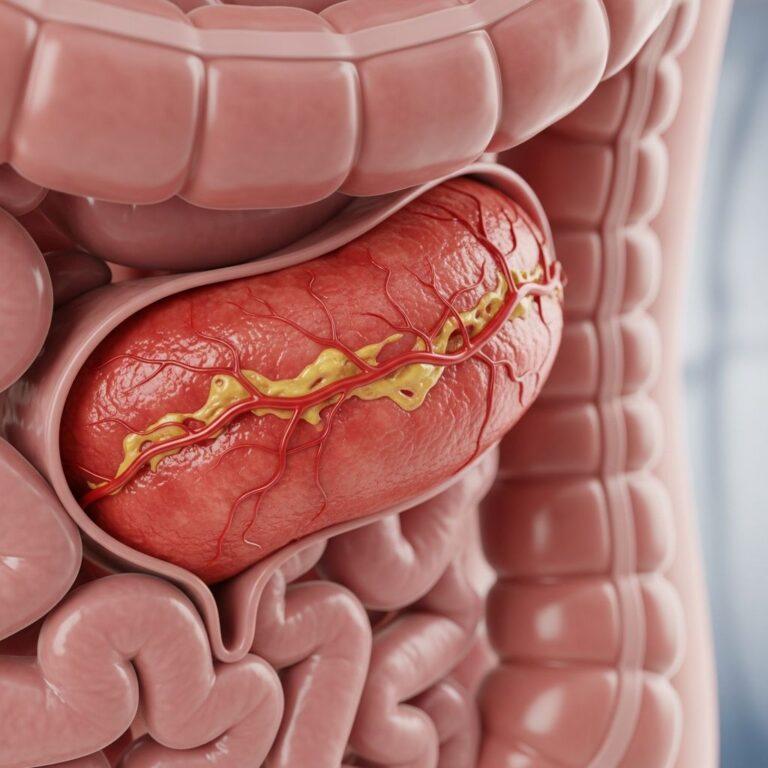
Eczema and Food Allergies: Key Connections
Discover how eczema and food allergies interact, common triggers, testing methods, and strategies for better skin health in children and adults.
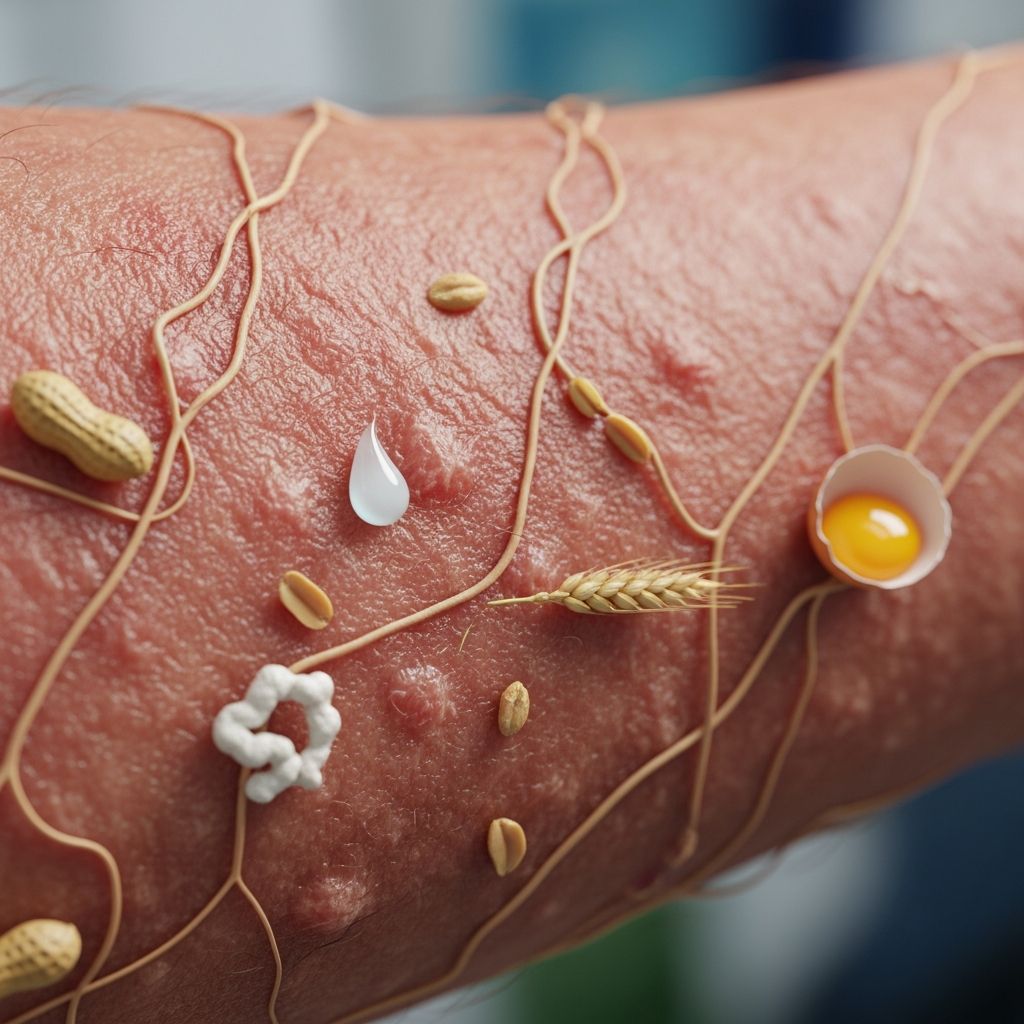
Eczema, also known as atopic dermatitis, frequently coexists with food allergies, particularly in children, where up to 30% of those affected by moderate to severe cases also experience food sensitivities. This connection stems from a compromised skin barrier that allows allergens to penetrate more easily, potentially triggering immune responses that worsen skin inflammation.
Understanding the Skin Barrier’s Role
The skin’s outermost layer, the stratum corneum, acts as a protective shield against environmental irritants and allergens. In individuals with eczema, this barrier is often impaired, leading to increased water loss, bacterial overgrowth like Staphylococcus aureus, and altered gene expression that mimics an immature skin state. Research from the National Institutes of Health (NIH) highlights that children with both eczema and food allergies show these abnormalities even in non-lesional skin, distinguishing them from those with eczema alone.
This dysfunction facilitates the ‘atopic march,’ a progression where eczema precedes food allergies, respiratory issues, and asthma. Scientists note that early skin protection could prevent allergen sensitization, as damaged skin provides a pathway for food proteins to reach immune cells.
Prevalence and Who Is Most Affected
Atopic dermatitis impacts about 20% of children, with roughly 30% of them also having food allergies. Moderate to severe eczema heightens this risk, affecting one-third of such children with IgE-mediated reactions. While less common in adults, the pediatric population bears the brunt, especially infants sensitive to common foods.
- Children with eczema are three times more likely to develop food allergies than peers without skin issues.
- Over 90% of reactions in these children involve peanuts, eggs, milk, wheat, soy, tree nuts, or fish.
- Breastfed infants may react to allergens passed through maternal diet, linking maternal intake to flare-ups.
Common Food Triggers Identified
Several foods consistently emerge as culprits in exacerbating eczema symptoms through immediate or delayed reactions. Immediate responses occur within hours, marked by redness and itching, often confirmed by IgE tests. Delayed flares build over 1-2 days, complicating identification.
| Food Category | Examples | Common Impact |
|---|---|---|
| Dairy | Milk, cheese, yogurt | Frequent trigger in infants; causes inflammation via histamines |
| Eggs | Chicken eggs | Prevalent in young children; linked to 90% of allergies |
| Wheat | Bread, pasta | Associated with celiac or allergies; worsens itchiness |
| Soy | Tofu, soy milk | Common in babies; gradual symptom increase |
| Nuts | Peanuts, tree nuts (almonds, walnuts) | Severe reactions; high risk in atopic kids |
These triggers do not cause eczema outright but aggravate existing conditions, emphasizing the need for targeted avoidance only after confirmation.
How Eczema Increases Food Allergy Risk
Unlike the misconception that food allergies initiate eczema, evidence shows the reverse: eczema’s barrier defects heighten allergy susceptibility. A Yale study underscores how chronic skin injury enables food proteins to sensitize the immune system via the gut-skin axis. NIH-funded research confirms structural differences in non-lesional skin of dual-affected children, including higher permeability and bacterial loads.
In the atopic march, early eczema intervention is crucial. Protecting the skin with emollients may block allergen entry, reducing allergy onset. Pediatricians note that while flares can follow allergen ingestion, routine elimination diets are not advised without evidence.
Related Stories



Diagnostic Approaches for Accurate Identification
Distinguishing true allergies from irritants requires systematic evaluation. Start with clinical history: note flare timing, severity, and dietary patterns.
- Skin Prick Tests: Detect IgE antibodies; positive for immediate reactors.
- Blood Tests: Measure specific IgE levels to suspects like milk or eggs.
- Elimination Diets: Remove suspects for 2-4 weeks; monitor improvements. Reintroduce under supervision to confirm.
- Oral Food Challenges: Gold standard; supervised ingestion to observe reactions.
For moderate-severe eczema unresponsive to topicals and moisturizers, allergy testing is warranted. Absence of immediate reactions often rules out food involvement. Avoid unproven tests like Vega or ALCAT, lacking scientific backing.
Management Strategies Beyond Diet
While avoiding confirmed allergens helps, comprehensive care addresses the root: skin barrier repair and inflammation control.
- Daily Moisturizing: Use thick, fragrance-free emollients to seal the barrier and reduce flares.
- Topical Treatments: Corticosteroids or calcineurin inhibitors for active lesions.
- Wet Wraps: Enhance absorption and soothe severe outbreaks.
- Antihistamines: For itch relief, especially at night.
- Infection Control: Antibiotics if Staphylococcus aureus contributes.
Elimination diets should be short-term and supervised to prevent nutritional deficits. For breastfed babies, maternal avoidance trials may help but require monitoring. Long-term, early allergen introduction per guidelines like LEAP may prevent allergies in high-risk infants.
FAQs: Eczema and Food Allergies
Does food cause my child’s eczema?
No, foods do not cause eczema but can trigger flares in 30% of moderate-severe cases.
Should I eliminate dairy or eggs immediately?
Only after testing; blanket avoidance risks malnutrition without benefits.
Can adults develop food allergies from eczema?
Less common than in children, but possible if barrier issues persist.
How soon do reactions appear?
Immediate (1-2 hours) or delayed (1-2 days).
Is there a cure for eczema-food allergy links?
No cure, but management improves quality of life significantly.
Future Directions in Research
Ongoing studies explore biomarkers for at-risk children, novel barrier therapies, and microbiome modulation to halt the atopic march. NIH initiatives emphasize prevention through skin care, potentially lowering allergy rates. Personalized medicine, tailoring diets via genetics, holds promise.
Parents and patients should partner with allergists and dermatologists for individualized plans, tracking symptoms via apps for patterns.
References
- Role of Food Allergies in Eczema — Allergy Pacific. 2023. https://allergypacific.com/the-role-of-food-allergies-in-eczema/
- Scientists identify unique subtype of eczema linked to food allergy — National Institutes of Health (NIH). 2018-12-19. https://www.nih.gov/news-events/news-releases/scientists-identify-unique-subtype-eczema-linked-food-allergy
- Relationship Between Atopic Dermatitis and Food Allergy in Children — PMC (PubMed Central). 2023. https://pmc.ncbi.nlm.nih.gov/articles/PMC9886409/
- Eczema and food allergies: Quick guide for parents — Summer Health. 2024. https://www.summerhealth.com/blog/eczema-food-allergy-test
- Skin Injury May Bring on Food Allergies — Yale School of Medicine. 2023. https://medicine.yale.edu/news-article/skin-injury-may-bring-on-food-allergies/
- Eczema; food allergies and other triggers — Royal Children’s Hospital. 2023. https://www.rch.org.au/uploadedFiles/Main/Content/allergy/Eczema%20Food%20Allergies%20Other%20Triggers(1).pdf
Similar Articles








Read full bio of medha deb