Eczema Herpeticum: Signs, Diagnosis, Treatment, And Prevention
A serious herpes infection in eczema skin: symptoms, diagnosis, urgent treatment, and prevention strategies.
What is eczema herpeticum?
Eczema herpeticum is a rare but serious viral infection that occurs in areas of skin affected by atopic dermatitis (eczema). It is caused by the herpes simplex virus (HSV), most commonly HSV-1 (the virus responsible for cold sores), though HSV-2 can also be involved. This condition is also known as Kaposi varicelliform eruption or eczema herpeticum of Whitfield, named after historical descriptions by physicians like Moritz Kaposi and Harold Whitfield.
In individuals with eczema, the skin barrier is compromised due to defects in proteins like filaggrin, inflammation, and immune dysregulation, making it highly susceptible to viral invasion. When HSV infects these damaged areas, it disseminates rapidly, leading to widespread vesicular eruptions rather than the localized lesions seen in healthy skin. This can progress to systemic illness if untreated, with risks of viremia (virus in the bloodstream), bacterial superinfection, and organ involvement such as the eyes, lungs, or brain.
Though rare, eczema herpeticum predominantly affects infants and young children with moderate to severe atopic dermatitis, but it can occur at any age, especially in those with active eczema flares. Early recognition is critical, as delayed treatment increases morbidity and mortality risks.
Who gets eczema herpeticum?
Eczema herpeticum primarily affects people with preexisting skin conditions that impair the barrier function and immune response. Key risk groups include:
- Individuals with atopic dermatitis: Accounts for over 90% of cases, due to Th2-skewed immune responses, reduced interferon production, and S. aureus colonization that further weakens defenses.
- Infants and children: Most common in those under 5 years with active eczema, as their immune systems are immature.
- Immunocompromised patients: Those on immunosuppressive therapy, with HIV, or genetic defects like STAT3 mutations increasing susceptibility.
- Other skin conditions: Less commonly, Darier disease, Hailey-Hailey disease, ichthyosis vulgaris, or burns.
Active eczema flares heighten risk, as inflamed, excoriated skin provides an entry point for HSV. Patients with recurrent episodes (eczema herpeticum incognito) may have severe underlying atopic dermatitis.
What causes eczema herpeticum?
The primary cause is infection with herpes simplex virus type 1 (HSV-1), transmitted via direct contact with active lesions (e.g., cold sores) or saliva from an infected person. HSV-2 (genital herpes) or rarely varicella-zoster virus (VZV) can also trigger it. Incubation is 5-12 days post-exposure.
Pathophysiology involves:
- Skin barrier defects: Eczema reduces antimicrobial peptides (e.g., defensins) and tight junctions, allowing viral entry.
- Immune dysregulation: Impaired T-cell responses and low interferon-alpha fail to control viral replication.
- Bacterial facilitation: S. aureus superantigens promote viral spread.
Autoinoculation from a patient’s own herpes labialis or contact with family members’ cold sores is common.
What are the clinical features of eczema herpeticum?
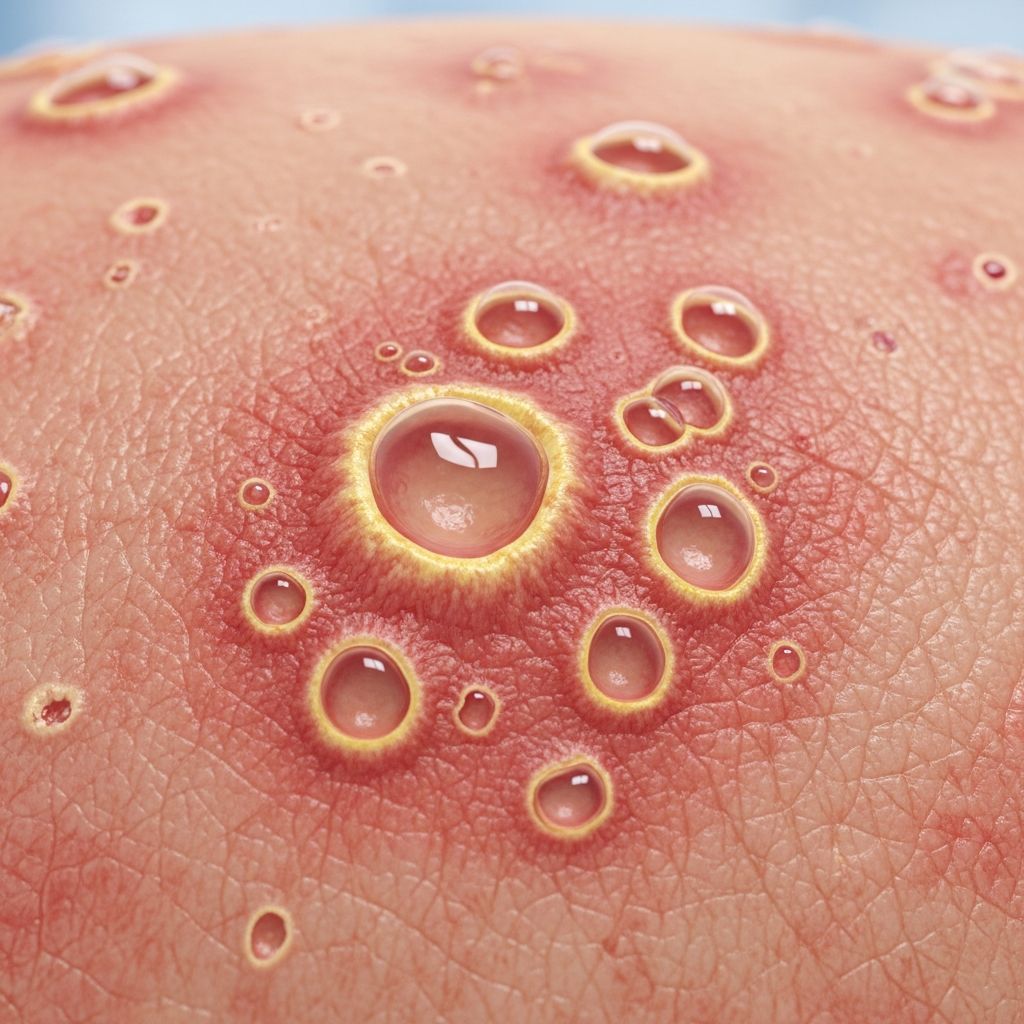
Symptoms emerge rapidly: clusters of painful, monomorphic vesicles (uniform size, unlike eczema’s polymorphic rash) on erythematous bases, evolving to pustules, erosions, and honey-crusted lesions. Unlike itchy eczema flares, these are painful.
Common sites: Face, neck, upper trunk, extremities; can generalize.
Systemic features: Fever, malaise, lymphadenopathy, anorexia. Severe cases show viremia signs like lethargy.
Blister characteristics:
| Stage | Appearance |
|---|---|
| Early | Small, clear vesicles (2-3mm), umbilicated |
| Progressive | Pustules, hemorrhagic crusts, erosions |
| Late | Crusted plaques, possible scarring |
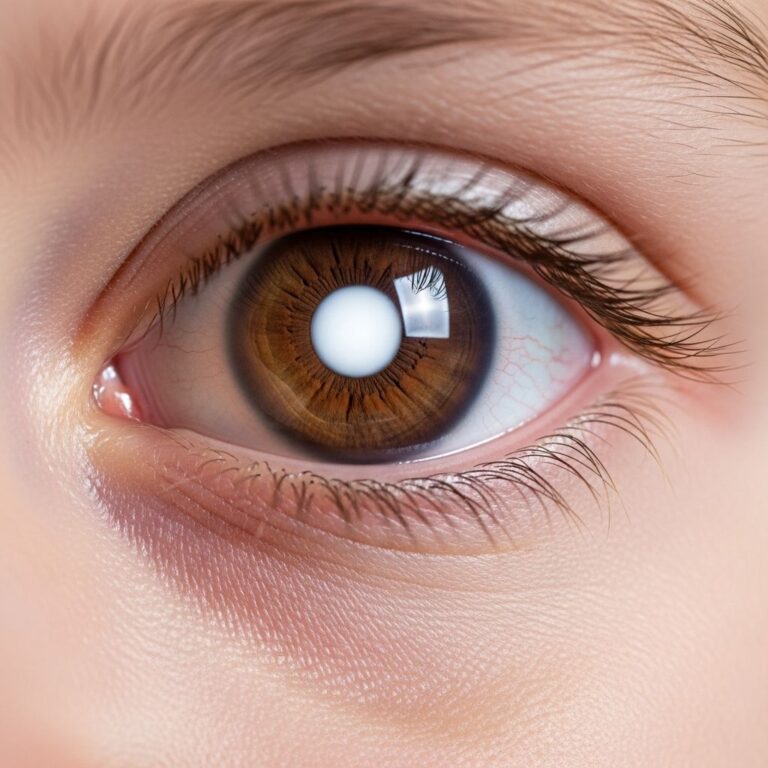
Complications: Secondary impetigo, cellulitis, ocular herpes (keratitis), pneumonitis, encephalitis, bacterial sepsis, death (rare, <1% with treatment).
Related Stories



Diagnosis
Diagnosis is primarily clinical, based on history of eczema + disseminated painful vesicles in HSV-exposed patient. Key differentiators:
- Vs. eczema flare: Painful (not itchy), monomorphic, clustered.
- Vs. impetigo: Deeper vesicles, systemic symptoms.
- Vs. coxsackie/enterovirus: HSV-specific features.
Confirmatory tests:
- Tzanck smear: Multinucleated giant cells.
- Viral swab PCR: Gold standard for HSV.
- Culture, DFA, biopsy (if atypical).
Severe cases: Blood PCR for viremia, FBC (lymphopenia), LFTs, eye exam.
Treatment of eczema herpeticum
Urgent systemic antivirals are cornerstone. Aciclovir 400-800mg oral 5x/day (children dose-adjusted) for 10-14 days; IV if severe/hospitalized (10mg/kg 8-hourly).
Alternatives: Valaciclovir 1g BD (better bioavailability).
Supportive: Emollients, cool compresses, pain relief. Taper topical steroids. Antibiotics if superinfected (e.g., flucloxacillin).
Hospitalize if: Widespread lesions, systemic symptoms, infants, immunosuppression, ocular involvement.
Ocular: Topical antivirals (e.g., ganciclovir), cycloplegics.
Complications
- Bacterial superinfection: Cellulitis, sepsis.
- Viremia/dissemination: Hepatitis, pneumonitis, encephalitis.
- Ocular herpes: Keratitis, vision loss.
- Recurrence: Prophylactic aciclovir in high-risk.
- Scarring: Post-healing.
Prevention of eczema herpeticum
- Control eczema: Regular emollients, trigger avoidance.
- Avoid HSV contacts: No kissing cold sores, hand hygiene.
- Prophylaxis: Aciclovir for recurrent cases or flares.
- Vaccination: Consider if applicable (e.g., varicella).
Recurrent eczema herpeticum
Some patients experience multiple episodes. Triggers: Eczema flares, immunosuppression. Long-term low-dose aciclovir (200mg BD) prevents recurrence.
Patient education and FAQs
Educate on rapid recognition: Painful blisters + fever = seek urgent care.
Q: Is eczema herpeticum contagious?
A: Yes, via direct contact with lesions. Isolate until crusted.
Q: How quickly does it spread?
A: Rapidly, within days if untreated.
Q: Can it be fatal?
A: Rare with prompt treatment; historical mortality 10% pre-antivirals.
Q: Treatment duration?
A: 10-14 days or until healed; monitor for relapse.
Q: Role of steroids?
A: Taper immediately; contraindicated acutely.
References
- Eczema herpeticum: Symptoms, diagnosis, and treatment — Medical News Today. 2023-10-12. https://www.medicalnewstoday.com/articles/317647
- Eczema Herpeticum: Causes and Treatment — Patient.info. 2024-05-15. https://patient.info/skin-conditions/atopic-eczema/eczema-herpeticum
- Eczema Herpeticum: Symptoms, Causes, and Treatments — MyEczemaTeam. 2024-02-20. https://www.myeczemateam.com/resources/eczema-herpeticum-symptoms-causes-and-treatments
- Eczema Herpeticum — EyeWiki (American Academy of Ophthalmology). 2025-01-10. https://eyewiki.org/Eczema_Herpeticum
- Eczema herpeticum — DermNet NZ. 2024-08-05. https://dermnetnz.org/topics/eczema-herpeticum
Similar Articles








Read full bio of medha deb