Eczema in Children: How to Soothe Your Child
Practical tips and expert advice to manage eczema flare-ups, soothe itchy skin, and improve your child's comfort at home.
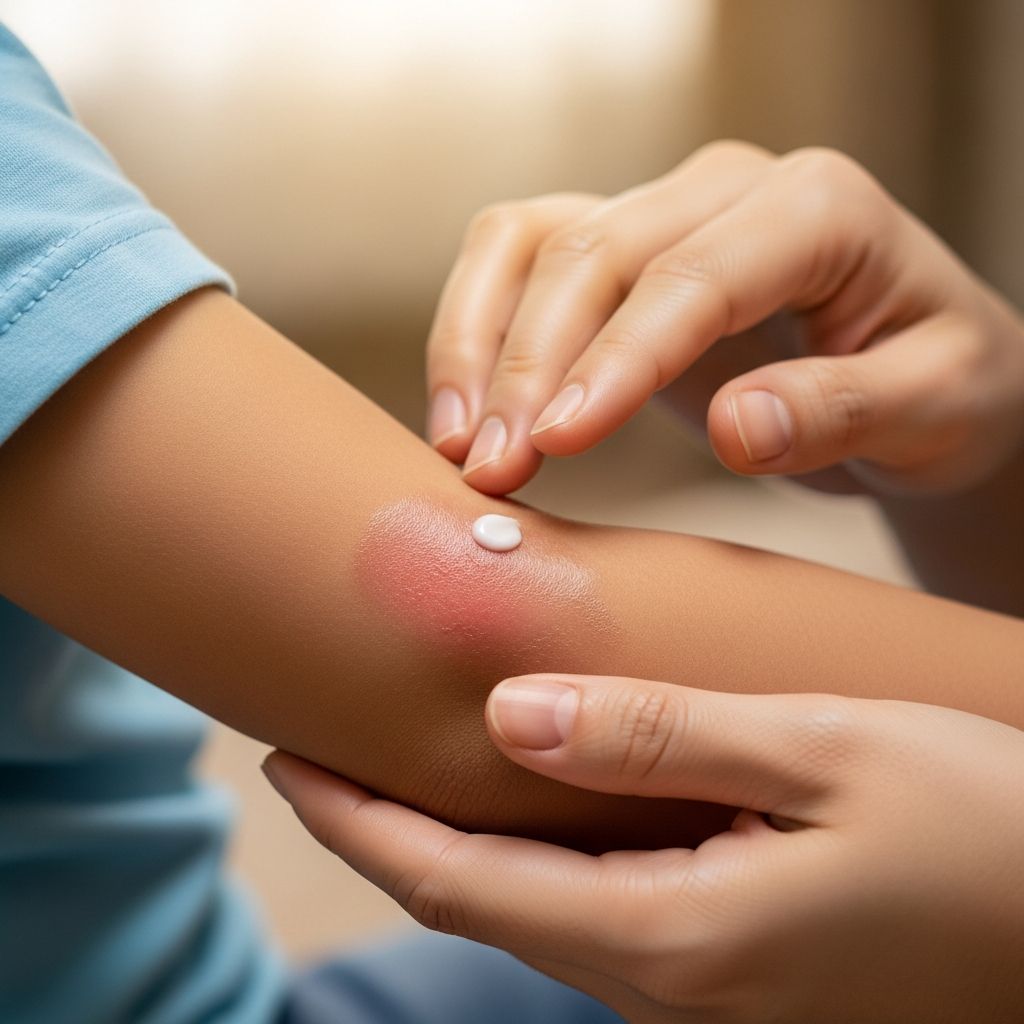
Eczema, also known as atopic dermatitis, affects up to 20% of children worldwide, causing dry, itchy, inflamed skin that can disrupt sleep and daily life. While there’s no cure, consistent care routines can significantly reduce flare-ups and improve quality of life.
What is eczema?
Eczema is a chronic inflammatory skin condition characterized by
dry, scaly skin
,severe itching
,redness
, andswelling
, particularly in children. It often appears on the face, elbows, knees, and hands, worsening with scratching that leads to infections. Common in babies and young children, it may improve with age but requires ongoing management.The skin barrier in children with eczema is weakened, allowing moisture to escape and irritants to enter, triggering inflammation. Genetic factors, allergies, and environmental triggers like dry air or harsh soaps exacerbate symptoms.
Symptoms of eczema in children
- Intense itching, especially at night, leading to poor sleep.
- Dry, rough patches that may crack and bleed.
- Red or inflamed skin, sometimes with oozing or crusting.
- Thickened skin from chronic scratching (lichenification).
- Flare-ups triggered by heat, sweat, allergens, or infections.
Symptoms vary by age: infants often have facial and scalp eczema, while older children experience flexures like behind knees.
Causes and triggers
Eczema results from a combination of genetics (filaggrin gene mutations impairing skin barrier) and immune overreactions to irritants. Common triggers include:
- Harsh soaps, fragranced products, or fabric softeners.
- Dry air, extreme temperatures, or sweating.
- Allergens like dust mites, pet dander, pollen, or foods (e.g., dairy, eggs in some cases).
- Infections, stress, or irritants like wool clothing.
Identifying personal triggers through a diary helps prevent flares.
Diagnosis
Doctors diagnose eczema via clinical exam, considering symptoms and family history. Tools include:
- Skin tests or blood tests for allergies.
- Patch testing for contact dermatitis.
- Biopsy rarely needed.
Rule out infections or other conditions like psoriasis.
Treatment options
Treatment focuses on
restoring the skin barrier
,reducing inflammation
, andpreventing infections
. Start with self-care; escalate to prescriptions as needed.Daily skincare routine: Soak and Seal
The “Soak and Seal” method is cornerstone: bathe in lukewarm water (5-10 minutes) with gentle, fragrance-free cleanser, pat dry, apply prescription meds if needed, then thick moisturizer within 3 minutes.
- Use ointments or thick creams (e.g., petroleum jelly) over lotions for better occlusion.
- Apply twice daily and after baths.
Moisturizers
**Fragrance-free, hypoallergenic emollients** lock in moisture. Apply liberally to damp skin. Avoid products with alcohol or scents.
Bleach baths
Diluted bleach baths (1/4-1/2 cup per 40-gallon tub, 2-3x/week) reduce bacteria and infections. Soak neck-down 10 minutes, rinse, moisturize. Consult doctor for sensitivities.
Wet wrap therapy
For severe flares: apply steroid cream, moisturizer, then damp gauze wraps topped with dry layer overnight. Boosts absorption, calms itch.
Topical medications
| Treatment | Use | Notes |
|---|---|---|
| Corticosteroids (e.g., hydrocortisone) | Reduce inflammation, itch on flares | Safest under doctor guidance; short-term use |
| Calcineurin inhibitors (e.g., tacrolimus) | For sensitive areas like face | Non-steroidal, long-term option |
| PDE4 inhibitors (crisaborole) | Mild-moderate eczema | Relieves inflammation |
| Antibiotics | Infections (oozing, crusting) | Oral or topical |
Related Stories



Antihistamines
Oral antihistamines (e.g., cetirizine) ease nighttime itch and aid sleep, but may cause drowsiness affecting school.
Advanced treatments
- Phototherapy (UVB light) for widespread cases.
- Immunomodulators (e.g., dupilumab) for severe, refractory eczema.
- Wet dressings in hospital for intense flares.
Lifestyle tips to prevent flare-ups
- Clothing: Cotton, loose-fitting; avoid wool/synthetics.
- Environment: Humidifier for dry air; keep cool to prevent sweating.
- Nails: Keep short to minimize scratching damage.
- Laundry: Fragrance-free, dye-free detergents; no softeners.
- Diet: Breastfeeding may help; allergy testing for triggers.
When to see a doctor
Seek care for widespread rash, signs of infection (pus, fever, swelling), sleep disruption, or treatment failure. Early intervention prevents complications.
FAQs
Is eczema contagious?
No, eczema is not contagious; secondary infections may be bacterial.
Can diet affect eczema?
Food allergies trigger some cases; consult allergist before eliminating foods.
How long do flares last?
With treatment, 1-2 weeks; prevention minimizes frequency.
Is steroid cream safe for kids?
Yes, when used as directed short-term by a dermatologist.
Does eczema go away?
Many outgrow it by school age, but some persist.
Alternative remedies
Manuka honey has antimicrobial properties for mild cases (avoid under 1 year). Oatmeal baths soothe itch. Discuss acupuncture with providers.
Consistent routines empower families to manage eczema effectively, reducing distress and enhancing wellbeing.
References
- Treating your child’s eczema — Mayo Clinic Health System. 2023-10-12. https://www.mayoclinichealthsystem.org/hometown-health/speaking-of-health/treating-your-childs-eczema
- Pediatric Eczema (Atopic Dermatitis) — Children’s National Hospital. 2024-05-15. https://www.childrensnational.org/get-care/health-library/eczema-atopic-dermatitis
- Eczema Treatment for Children — National Eczema Association. 2024-02-20. https://nationaleczema.org/children/treatment/
- Atopic dermatitis (eczema) – Diagnosis and treatment — Mayo Clinic. 2025-01-10. https://www.mayoclinic.org/diseases-conditions/atopic-dermatitis-eczema/diagnosis-treatment/drc-20353279
- Eczema | Causes, Symptoms, Diagnosis & Treatment — Cincinnati Children’s Hospital. 2024-08-05. https://www.cincinnatichildrens.org/health/e/eczema
Similar Articles








Read full bio of medha deb