Eczema In Darker Skin Tones: Essential Guide For Diagnosis
Discover how eczema manifests differently on darker skin, from unique symptoms to tailored treatments and emerging research breakthroughs.
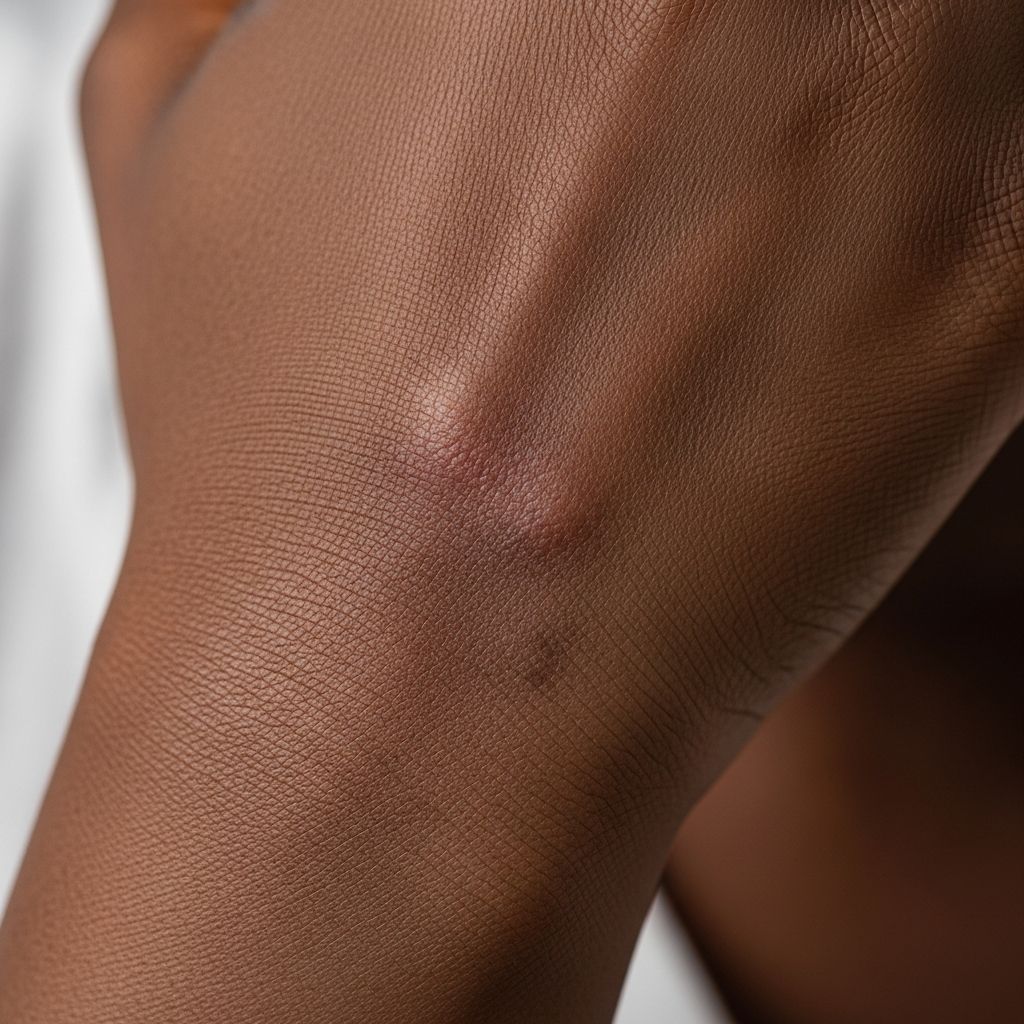
Eczema, or atopic dermatitis, presents unique challenges on darker skin tones due to differences in pigmentation, inflammation patterns, and barrier function. These variations often lead to delayed diagnosis and suboptimal treatment, but recent research is bridging the gap.
Prevalence and Epidemiology Across Ethnic Groups
Atopic dermatitis disproportionately impacts individuals with darker skin. Studies indicate higher prevalence rates among Black and Asian populations compared to white individuals. For instance, African American children face up to six times higher risk of severe eczema.
- Black individuals: Approximately 19% prevalence versus 16% in European Americans.
- Asian populations: Elevated IL-17 immune responses contribute to distinct phenotypes.
- Overall trend: More persistent and severe disease in skin of color.
These disparities stem from genetic, environmental, and socioeconomic factors, underscoring the need for inclusive epidemiological data.
Distinct Clinical Presentations on Darker Skin
Traditional eczema descriptions focus on red, inflamed patches, which are less apparent on darker tones. Instead, lesions often appear ashen, purple-gray, or hyperpigmented, complicating visual assessment.
| Feature | Light Skin | Darker Skin |
|---|---|---|
| Active Inflammation | Red, erythematous | Purple, gray, brown; less visible redness |
| Post-Flare Changes | Mild scaling | Hyperpigmentation, hypopigmentation |
| Texture | Smooth plaques | Follicular papules, prominent dryness |
| Associated Signs | Crusting | Dennie-Morgan folds, xerosis |
Follicular prominence, characterized by itchy bumps around hair follicles on the trunk and extremities, is more common in darker skin. Diffuse dryness (xerosis) and scale appear white or gray against brown tones, heightening visibility.
The Role of Pigmentation in Eczema Manifestations
Melanocytes in darker skin respond robustly to inflammation by ramping up melanin production, leading to post-inflammatory hyperpigmentation (PIH). Scratching releases melanin into the epidermis, darkening affected areas.
- Hyperpigmentation: Dark patches persist months or years post-flare.
- Hypopigmentation: Conditions like pityriasis alba cause light patches, exacerbated by sun exposure.
- Dennie-Morgan folds: Periorbital wrinkling with hyperpigmentation, a hallmark in severe cases.
Transepidermal water loss (TEWL) is elevated in Black skin, weakening the barrier and perpetuating dryness.
Diagnostic Challenges and Scoring Limitations
Standard tools like Eczema Area and Severity Index (EASI) and SCORing Atopic Dermatitis (SCORAD) rely on erythema, underestimating severity in darker skin where redness is subtle.
Clinicians must train to recognize grayish hues, lichenification, and pigmentary changes. Misdiagnosis as other conditions delays care, worsening outcomes.
- Educational resources for providers: Websites like EczemaInSkinofColor.org aid differentiation.
- Patient impact: Pigment changes cause greater distress than itch in some cases.
Pathophysiological Differences
Molecular profiling reveals heightened inflammation in African American eczema patients. Immune pathways show stronger Type 2 responses overlaid with IL-17 in Asians, explaining psoriasiform features.
Skin barrier defects, including greater TEWL, amplify susceptibility. Racial variations in epidermal lipids and filaggrin mutations contribute.
Treatment Strategies Tailored for Darker Skin
Core management mirrors general eczema: Emollients, topical corticosteroids, and trigger avoidance. However, adjustments prevent pigmentary side effects.
Related Stories



- Moisturization: Thick, ceramide-based creams combat xerosis.
- Topicals: Lower-potency steroids to minimize atrophy and PIH risk.
- Phototherapy: Higher doses may be needed due to melanin absorption.
- PIH Management: Gentle agents like niacinamide; avoid irritants.
Systemic therapies like dupilumab show promise, but data in skin of color is emerging.
Breakthroughs from Recent Clinical Trials
New trials prioritize diversity. Lebrikizumab (Ebglys) phase 3b results (2024) in skin of color participants: 46% achieved 90% improvement, 68% 75% improvement, 56% itch reduction, 39% clear skin.
FDA approval in September 2024 marks progress toward equitable therapies. Ongoing studies address historical underrepresentation.
Lifestyle and Prevention Tips
Daily routines can mitigate flares and pigment issues:
- Use fragrance-free products.
- Humidify environments to reduce dryness.
- Sunscreen to prevent hypopigmentation contrast.
- Gentle fabrics; avoid wool.
- Stress management, as it exacerbates inflammation.
Mental Health Considerations
Visible pigment changes impact self-esteem, sometimes surpassing itch concerns. Support groups and counseling improve adherence.
Future Directions in Research
Inclusivity in trials is critical. Molecular insights promise targeted biologics. Greater provider education via resources will enhance care equity.
Frequently Asked Questions (FAQs)
Does eczema look different on Black skin?
Yes, it often appears purple-gray or brown rather than red, with more hyperpigmentation and follicular involvement.
How long does post-inflammatory hyperpigmentation last?
Months to years, but treating underlying eczema speeds resolution.
Are there eczema treatments safe for darker skin?
Yes, emollients, targeted topicals, and new biologics like lebrikizumab are effective with proper dosing.
Why is eczema more severe in people of color?
Higher inflammation, barrier dysfunction, and genetic factors contribute.
Can diet help manage eczema on darker skin?
Anti-inflammatory diets may support, but evidence is limited; consult providers.
References
- Skin pigmentation and eczema — National Eczema Society. Accessed 2026. https://eczema.org/information-and-advice/living-with-eczema/skin-pigmentation/
- Eczema on Skin of Color: New Clinical Trials Lead to Breakthroughs — Healthgrades. 2024. https://resources.healthgrades.com/right-care/eczema/eczema-on-skin-of-color-new-clinical-trials-lead-to-breakthroughs
- Why Eczema Is Tougher To Treat For Black Patients — Mount Sinai. 2018-10-01. https://www.mountsinai.org/about/newsroom/2018/why-eczema-is-tougher-to-treat-for-black-patients
- HCP & Doctor Resources – Eczema in Skin of Color — Eczema in Skin of Color. Accessed 2026. https://eczemainskinofcolor.org/hcp-doctor-resources/
- Dermatology: how to manage atopic dermatitis in patients with skin of colour — PMC (Peer-reviewed). 2022-05-25. https://pmc.ncbi.nlm.nih.gov/articles/PMC9165632/
- The Science of Eczema on Brown and Black Skin — National Eczema Association. Accessed 2026. https://nationaleczema.org/blog/the-science-of-eczema-on-darker-skin/
- New Website Spotlights Unique Differences of Eczema In People of Color — ACAAI. Accessed 2026. https://acaai.org/news/new-website-spotlights-unique-differences-of-eczema-in-people-of-color/
Similar Articles








Read full bio of medha deb