Eczema In Diverse Skin Tones: 4 Essential Care Steps
Discover how eczema manifests differently across skin tones, its higher prevalence in certain groups, and tailored strategies for effective management and care.
Eczema, or atopic dermatitis, affects millions worldwide, but its expression and impact vary significantly across skin tones. People with darker skin often face higher rates of the condition, unique visual symptoms, and barriers to diagnosis and treatment. Understanding these differences is crucial for equitable care.
Prevalence Across Ethnic Groups
Recent data from large-scale surveys reveal stark disparities in eczema rates. In the United States, overall childhood prevalence climbed from 7.9% in 1997 to 12.6% by 2018, with sharper rises in certain demographics. Black children showed the most dramatic increase, from 10.1% to 18.4%, while multiracial youth reached 16.7%. Hispanic children saw rates double from 5.6% to 10.6%.
Among adults and children combined, about 31.6 million Americans have eczema, with notable proportions across groups: 11% Caucasian/White, 10% African American/Black, 13% Asian/Pacific Islander, and 13% Native American. In pediatric populations, African American children represent 19.3% of cases, compared to 16.1% Caucasian and 7.8% Asian.
| Ethnic Group | Initial Prevalence (1997) | Final Prevalence (2018) | Annual Change (%) |
|---|---|---|---|
| Black | 10.1% | 18.4% | 3.5 |
| Multiracial | 9.7% | 16.7% | 3.9 |
| White | 7.3% | 11.3% | 2.5 |
| Hispanic | 5.6% | 10.6% | N/A |
This table summarizes key trends from U.S. National Health Interview Survey data on children.
Distinct Presentations in Darker Skin
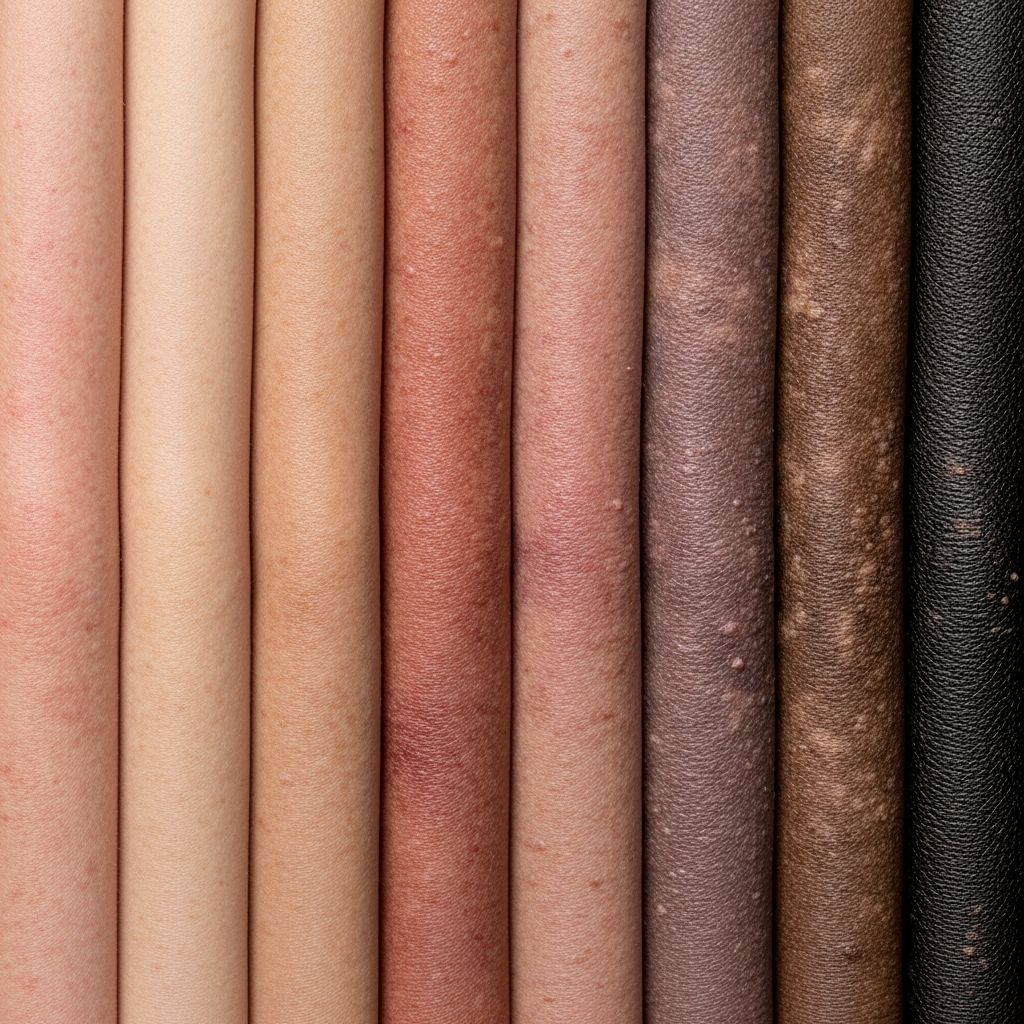
Eczema does not always appear as the classic red, inflamed patches seen on lighter skin. In skin of color, it often manifests as darker brown, purplish, or ashen gray areas, making it harder to spot. Dryness, scaling, and intense itching persist, but without obvious redness, swelling may be less visible.
- Purple or gray hues: Common in medium to dark tones, replacing visible erythema.
- Increased dryness: Leads to more pronounced scaling and lichenification (thickened skin).
- Post-inflammatory hyperpigmentation: Dark spots linger after flares, complicating assessment.
These variations contribute to misdiagnosis or delayed care, as standard descriptions focus on lighter skin features.
Factors Driving Higher Severity
Black individuals experience greater prevalence, persistence, and intensity of atopic dermatitis compared to White counterparts. Children of color often develop more severe cases, with Black and Hispanic youth missing more school due to flares. Genetic factors play a role, but environmental and socioeconomic elements amplify risks.
Studies indicate later onset or persistent disease in Latinx children, potentially leading to higher reported rates at older ages (14.2% vs. 9.5% in White children at age 15). Itchiness and inflammation demand higher medication doses for relief in affected groups.
Diagnostic Challenges and Misdiagnosis Risks
The absence of redness in darker skin obscures eczema, leading to underrecognition. Providers trained on lighter skin images may overlook subtle signs like ashiness or hyperpigmentation. This delays treatment, worsening outcomes.
Online resources predominantly feature light skin examples, further biasing public and self-diagnosis. Comprehensive exams focusing on texture, itch history, and family background are essential.
Treatment Disparities and Innovations
Historical clinical trials underrepresented skin of color: only 59.5% reported ethnicity data from 2000-2009, with 80.4% White participants in recent FDA approvals. This skews efficacy for diverse groups, as genetic and immune differences influence responses.
Phototherapy, for instance, requires adjusted doses for pigmented skin to avoid inefficacy. Newer trials address this: one showed 46% of participants achieving 90% improvement, 68% at 75%, and 56% itch reduction. In September 2024, the FDA approved Ebglyss, offering hope for moderate-to-severe cases.
Related Stories



Recent Treatment Advances
- 46% near-complete clearance in diverse trials.
- 39% clear/almost clear skin.
- Inclusion of 9.8% Black, 5.5% Asian participants.
Daily Management Strategies
Tailored routines improve control across tones:
- Gentle cleansing: Use fragrance-free, ceramide-rich cleansers to maintain barrier function.
- Moisturize frequently: Thick ointments lock in hydration, especially post-bath.
- Avoid irritants: Steer clear of harsh fabrics, dyes, and allergens.
- Topicals wisely: Steroids or calcineurin inhibitors for flares; monitor pigmentation changes.
For severe cases, biologics like dupilumab show promise, though data in skin of color grows.
Sociodemographic Influences
Disparities extend beyond biology. Access barriers, cultural stigmas, and provider biases exacerbate issues. Surveys highlight care gaps in subgroups, urging targeted interventions.
Research Gaps and Future Directions
While prevalence data strengthens, trials must prioritize diversity. Longitudinal studies on persistence in Latinx and Asian groups are needed. Genetic research challenges assumptions, as risk polymorphisms are less common in Black populations yet severity persists.
FAQs
What does eczema look like on brown skin?
It often appears as purple, brown, or gray patches with dryness and itching, rather than red inflammation.
Is eczema more common in Black children?
Yes, 19.3% of U.S. eczema cases in children are African American, higher than other groups.
Why is diagnosis harder in skin of color?
Lack of visible redness and underrepresentation in educational materials lead to misdiagnosis.
Are new treatments effective for diverse skin?
Recent approvals like Ebglyss show strong results, with trials including more people of color.
How can I manage eczema at home?
Moisturize daily, use gentle products, identify triggers, and consult dermatologists familiar with skin of color.
References
- Eczema Prevalence Varies by Race and Ethnicity, With Overall Increase Seen — American Journal of Managed Care (AJMC). 2023. https://www.ajmc.com/view/eczema-prevalence-varies-by-race-and-ethnicity-with-overall-increase-seen
- What You Need to Know About Eczema for People of Color — Gladskin. Accessed 2026. https://gladskin.com/blogs/resources/what-you-need-to-know-about-eczema-for-people-of-color
- Eczema on Skin of Color: New Clinical Trials Lead to Breakthroughs — Healthgrades. 2024. https://resources.healthgrades.com/right-care/eczema/eczema-on-skin-of-color-new-clinical-trials-lead-to-breakthroughs
- New Website Spotlights Unique Differences of Eczema In People of Color — American College of Allergy, Asthma & Immunology (ACAAI). 2023. https://acaai.org/news/new-website-spotlights-unique-differences-of-eczema-in-people-of-color/
- Reframing racial and ethnic disparities in atopic dermatitis — National Library of Medicine (PMC). 2021-10-21. https://pmc.ncbi.nlm.nih.gov/articles/PMC8578465/
Similar Articles








Read full bio of Sneha Tete