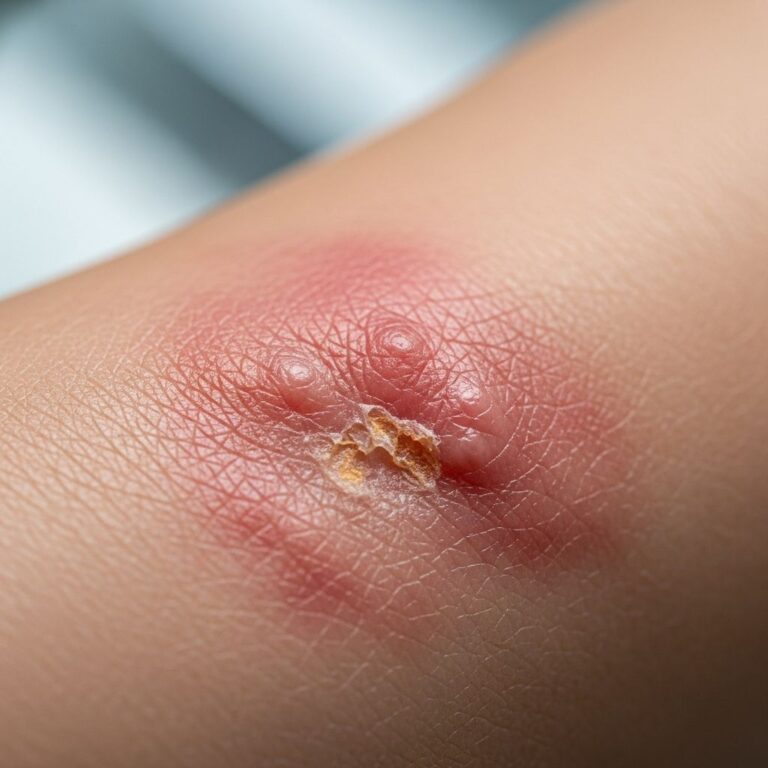
Eczema In Skin Of Color: 4 Treatment Tips For Relief
Discover how eczema presents and progresses differently in skin of color, with insights on prevalence, diagnosis challenges, and effective management strategies.

Eczema, clinically known as atopic dermatitis, manifests differently across skin tones, often leading to delayed diagnoses and suboptimal treatment in individuals with darker complexions. Research indicates higher prevalence rates and greater severity among certain ethnic groups, particularly Black and Hispanic populations, necessitating tailored diagnostic and management approaches.
The Rising Tide of Eczema Across Ethnic Groups
Atopic dermatitis affects millions worldwide, but epidemiological data reveal stark disparities by race and ethnicity. In the United States, overall eczema prevalence in children climbed from 7.9% in 1997 to 12.6% by 2018, with an average annual increase of 2.8%. This upward trend varies significantly: Black children experienced the sharpest rise, from 10.1% to 18.4%, while multiracial children saw prevalence jump to 16.7%.
Among adults and broader populations, approximately 31.6 million Americans live with eczema. Native Americans and Asian/Pacific Islanders report 13% prevalence, followed by Whites at 11% and Blacks at 10%. However, pediatric data paints a different picture: 19.3% of affected U.S. children are African American, compared to 16.1% Caucasian and 7.8% Asian, underscoring elevated risk in darker-skinned youth.
| Ethnic Group | Childhood Prevalence (%) | Adult Prevalence (%) | Trend (AAPC) |
|---|---|---|---|
| Black/African American | 19.3 | 10-18.4 | 3.5% |
| White/Caucasian | 16.1 | 11 | 2.5% |
| Asian/Pacific Islander | 7.8-13 | 13 | 2.6% |
| Native American | N/A | 13 | 2.6% |
| Hispanic | Lower initial | 10.6 | Varies |
This table summarizes key prevalence data, highlighting how Black children face disproportionate burden.
Why Eczema Hits Harder in Skin of Color
Several factors contribute to the heightened impact on diverse skin tones. Black children are up to six times more likely to develop severe atopic dermatitis, which proves more resistant to standard therapies. Persistence into adulthood is also greater, with Black individuals showing elevated rates compared to Whites.
Hispanic children, while starting with lower prevalence, exhibit over 1.5 times higher rates by age 15, often due to late-onset or persistent disease. Environmental shifts, such as immigration, amplify risk: children born outside the U.S. have 50% lower odds, but this rises after a decade of U.S. residency.
- Severity disparities: Black and Hispanic youth experience more intense symptoms and frequent flares.
- Persistence: Disease lingers longer in people of color, affecting quality of life.
- Onset patterns: 80% of cases begin before age 6, with worse outcomes in non-White groups.
Diagnostic Hurdles: When Eczema Hides in Plain Sight
Traditional eczema signs—red, inflamed patches—are glaring on lighter skin but subtle on darker tones. In skin of color, lesions appear as gray, purple, or hyperpigmented areas, with less noticeable redness, leading to misdiagnosis or overlooked cases.
This subtlety contributes to delays: people of color are half as likely to consult dermatologists for equivalent symptoms. Black children with eczema visit doctors less often but require more appointments and prescriptions when they do, signaling advanced disease. Emergency department use is nearly three times higher among Black and Latinx children across all control levels.
Related Stories



Bridging Care Gaps: Access and Equity Issues
Systemic barriers exacerbate outcomes. Limited specialist access, inadequate primary care, and potential provider biases result in poorer disease control. Black children miss more school—1.5 times the rate of White peers over six months—impacting education and development.
Clinical trials reflect underrepresentation: only 13.4% Black participants versus 65.4% White, despite higher disease burden. This skew limits evidence for effective treatments in diverse populations.
Tailored Treatment Strategies for Optimal Results
Managing eczema in skin of color demands nuance. Start with gentle, fragrance-free moisturizers applied liberally post-bath to lock in hydration. Topical corticosteroids remain first-line, but select mid-to-high potency for stubborn cases, monitoring for side effects like pigment changes.
Key management tips:
- Use ceramide-based creams to repair the skin barrier, crucial in treatment-resistant cases.
- Opt for non-comedogenic products to avoid flares from clogged pores.
- Incorporate wet wraps for severe flares, enhancing medication absorption.
- Consider calcineurin inhibitors (e.g., tacrolimus) for sensitive areas, as they pose less risk of dyspigmentation.
For moderate-to-severe disease, biologics like dupilumab show promise, though trial data urges diverse inclusion for validation. Lifestyle adjustments—avoiding triggers like wool, harsh soaps, and extreme temperatures—are universal but vital.
Leveraging Technology and Advocacy for Change
Telemedicine expands access, allowing remote monitoring by specialists. Patient education empowers: apps tracking flares and triggers aid personalized care. Advocacy pushes for inclusive research, with organizations calling for better representation in studies.
FAQs on Eczema in Diverse Skin Tones
What causes higher eczema rates in Black children?
Genetic, environmental, and socioeconomic factors converge, with studies showing 19.3% prevalence versus 16.1% in White children.
How does eczema look on brown or Black skin?
Expect purple-gray patches, hyperpigmentation, or papules rather than red rashes, complicating visual diagnosis.
Are treatments different for skin of color?
Core therapies align, but emphasis on barrier repair and pigment-safe options addresses unique risks.
Why the care disparities?
Diagnostic delays, access barriers, and trial underrepresentation lead to later, more severe interventions.
Can lifestyle prevent flares in ethnic minorities?
Yes—moisturize daily, identify allergens, and manage stress to reduce outbreak frequency.
Future Directions: Toward Equitable Dermatology
Addressing eczema in diverse skin requires multidisciplinary efforts: inclusive trials, bias training for providers, and community outreach. Recent data underscores urgency—prevalence surges demand action for all tones.
By recognizing these disparities, patients and clinicians can collaborate for clearer skin and fuller lives, regardless of heritage.
References
- Eczema Prevalence Varies by Race and Ethnicity, With Overall Increase Seen — The American Journal of Managed Care (AJMC). 2023. https://www.ajmc.com/view/eczema-prevalence-varies-by-race-and-ethnicity-with-overall-increase-seen
- What You Need to Know About Eczema for People of Color — Gladskin. 2024. https://gladskin.com/blogs/resources/what-you-need-to-know-about-eczema-for-people-of-color
- Eczema Can Affect Us All, but Some More Than Others — WebMD. 2023. https://www.webmd.com/skin-problems-and-treatments/eczema/eczema-epidemiology
- Eczema In Skin Of Color — Aveeno. 2024. https://www.aveeno.com/skin-concerns/eczema/skin-of-color
- Racial and Ethnic Representation in Atopic Dermatitis Clinical Trials — Journal of Drugs in Dermatology (JDD). 2025. https://jddonline.com/articles/racial-ethnic-representation-in-atopic-dermatitis-clinical-trials-S1545961625P8705X
- Reframing racial and ethnic disparities in atopic dermatitis in the United States — PMC (PubMed Central, NIH). 2021. https://pmc.ncbi.nlm.nih.gov/articles/PMC8578465/
- Eczema in skin of color: What you need to know — National Eczema Association. 2024. https://nationaleczema.org/blog/eczema-in-skin-of-color/
Similar Articles








Read full bio of medha deb