Eczema In Later Life: Causes, Triggers, Care Guide
Discover why eczema emerges in adulthood, common triggers, and proven strategies for effective management and relief in older age.
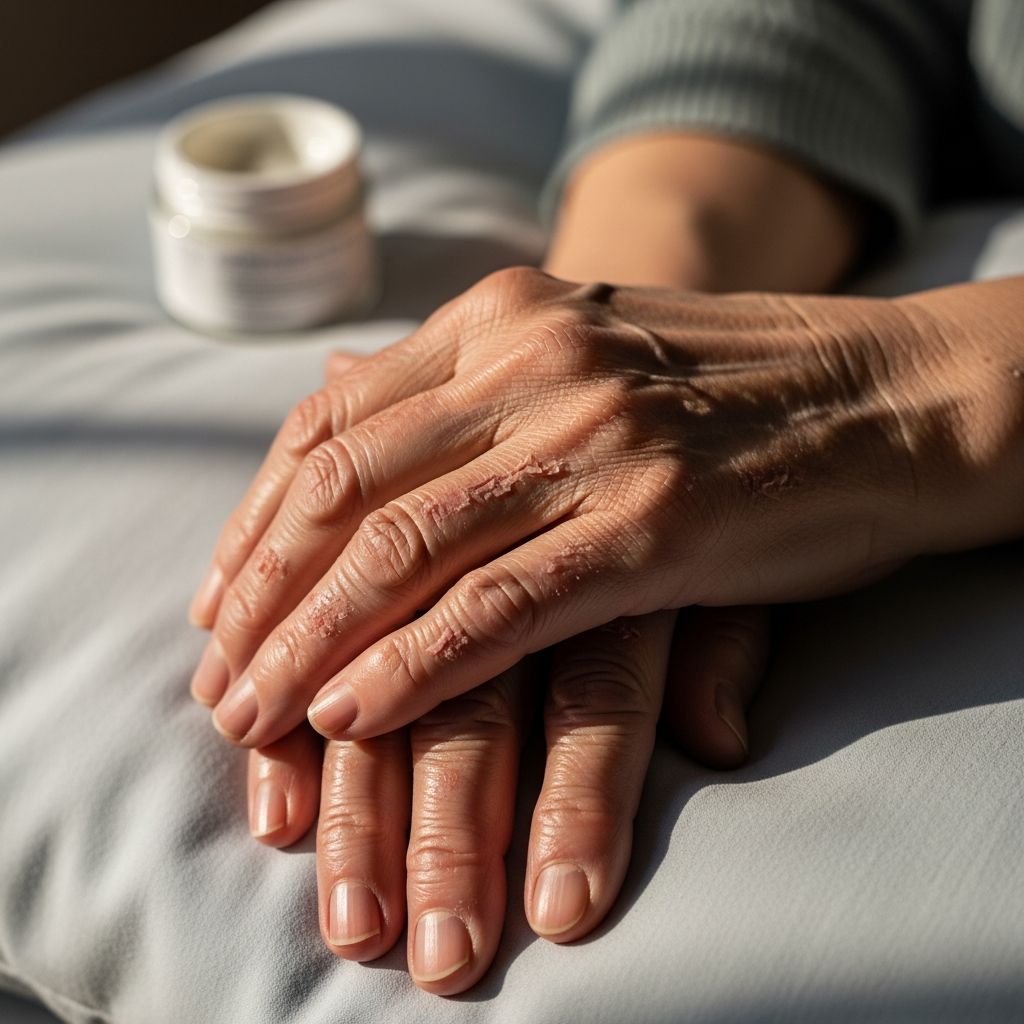
Adult-onset eczema, also known as late-life atopic dermatitis, affects many individuals who never experienced it during childhood. This chronic condition involves inflamed, itchy, and dry skin patches triggered by an overactive immune response.It can emerge suddenly due to genetic predispositions, hormonal fluctuations, or environmental changes. Understanding these factors is key to effective management.
Understanding Adult-Onset Eczema
Eczema in adulthood differs from childhood cases in presentation and triggers. While pediatric eczema often appears on flexures like elbows and knees, adult versions commonly affect the face, neck, hands, and eyelids. The skin may thicken over time from chronic scratching, leading to leathery textures and discoloration.
Symptoms include intense itching that disrupts sleep, inflamed areas that appear red, purple, or brown depending on skin tone, dry scaly patches, and oozing lesions in acute phases. These can evolve into thickened skin with hyperpigmentation or hypopigmentation post-flare.
Primary Causes of Eczema Emerging Later
Several interconnected factors contribute to eczema starting in adulthood. Genetic inheritance plays a foundational role, with family history of allergies, asthma, or eczema increasing susceptibility.
- Genetics: Individuals with parental or grandparental eczema carry inherited markers that may remain dormant until triggered later. Genetic mutations can also develop over time.
- Immune System Overactivity: A hypersensitive immune response to allergens or irritants initiates inflammation, distinct from contagious conditions.
Hormonal Influences
Hormonal shifts significantly provoke eczema in adults, particularly women. Pregnancy, menopause, menstrual cycles, and thyroid imbalances disrupt immune balance, fostering skin inflammation.
For instance, estrogen fluctuations during menopause weaken the skin barrier, making it prone to irritants that previously caused no issue.
Common Triggers in Mature Adults
Triggers vary but often relate to lifestyle and environment changes common in later years. Identifying them through diaries or patch testing is crucial.
| Trigger Category | Examples | Impact on Skin |
|---|---|---|
| Environmental | Climate shifts, dry air, pollen, dust mites, pet dander | Dries skin, heightens inflammation |
| Occupational | Chemicals, frequent handwashing, irritant exposure | Breaches skin barrier, causes contact dermatitis |
| Lifestyle | Stress, poor diet, smoking | Boosts cortisol, promotes inflammation |
| Product-Related | Harsh soaps, fragrances, wool fabrics | Irritates sensitive skin |
Stress elevates cortisol, impairing skin repair and perpetuating itch-scratch cycles. Dietary culprits like processed foods, dairy, or gluten exacerbate flares in susceptible individuals.
Recognizing Symptoms Specific to Older Age
In later life, eczema may localize to hands from occupational wear or eyelids from cosmetic use. Chronic cases lead to lichenification—thickened, leathery skin—and increased infection risk from scratching-induced breaks.
- Intense nocturnal itching affecting rest.
- Oozing, crusted patches signaling acute flares.
- Post-inflammatory discoloration lingering months.
- Secondary infections from bacteria or viruses.
These differ from childhood by affecting broader areas and resisting quick resolution.
Strategies for Daily Management
Managing late-onset eczema focuses on barrier restoration, trigger avoidance, and inflammation control. A multifaceted approach yields best results.
Related Stories



Skincare Essentials
Adopt gentle routines: Use fragrance-free, hypoallergenic cleansers and moisturizers with ceramides multiple times daily. Apply immediately after bathing to lock in hydration.
- Bathe in lukewarm water for 10 minutes max.
- Pat dry; avoid rubbing.
- Moisturize thickly within 3 minutes.
Trigger Avoidance Techniques
Track flares with journals noting diet, products, and stress. Use air purifiers for allergens, humidifiers for dry air, and cotton gloves for hand protection.
Dietary tweaks—reducing inflammatory foods—help some, though evidence varies. Consult allergists for testing.
Medical Interventions
Topical corticosteroids calm acute flares; calcineurin inhibitors suit sensitive areas. For severe cases, phototherapy or biologics like dupilumab target immune pathways. Always seek dermatologist guidance to prevent side effects.
Lifestyle Adjustments for Long-Term Relief
Incorporate stress reduction via mindfulness, yoga, or therapy, as anxiety amplifies symptoms. Quit smoking to bolster skin barrier function.
Clothing choices matter: Opt for breathable fabrics, avoiding wool or synthetics. Manage sweat with cool environments.
When to Consult a Specialist
Seek care if symptoms persist beyond two weeks, infect, or disrupt daily life. Dermatologists diagnose via history, exam, and tests like patch testing for contact allergies.
Early intervention prevents complications like widespread infections or psychological impacts like depression from chronic itch.
FAQs on Late-Life Eczema
Can eczema start after age 50?
Yes, it’s common. Up to 10% of cases in clinics are adult-onset, often post-50 due to cumulative triggers.
Is adult eczema contagious?
No, it’s an internal immune reaction, not infectious.
How does it differ from childhood eczema?
Adults experience hand/eyelid involvement, thicker skin from chronicity, and novel triggers like menopause.
Can diet cure eczema?
Not a cure, but eliminating triggers like dairy reduces flares for some.
What home remedies work best?
Colloidal oatmeal baths, wet wraps, and diligent moisturizing provide relief.
Outlook and Prevention Tips
With consistent care, most achieve control. Prevention involves proactive barrier maintenance and trigger vigilance. Regular dermatology follow-ups ensure tailored plans.
Empowerment comes from knowledge: Track, treat promptly, and adapt to life’s changes for clearer skin.
References
- What Causes Eczema in Adults? — Langford Allergy. 2023. https://www.langfordallergy.com/what-causes-eczema-in-adults/
- Why Have I Suddenly Developed Eczema? — Oak Dermatology. 2024. https://www.oakderm.com/dermatology-blog/why-have-i-suddenly-developed-eczema
- Adult-onset Atopic Dermatitis — PMC (National Library of Medicine). 2016-10-26. https://pmc.ncbi.nlm.nih.gov/articles/PMC5122283/
- Atopic dermatitis (eczema) – Symptoms and causes — Mayo Clinic. 2023-11-07. https://www.mayoclinic.org/diseases-conditions/atopic-dermatitis-eczema/symptoms-causes/syc-20353273
- Atopic Dermatitis: Causes, Symptoms, Diagnosis — National Eczema Association. 2024. https://nationaleczema.org/types-of-eczema/atopic-dermatitis/
- Can you get eczema as an adult? — American Academy of Dermatology. 2024. https://www.aad.org/public/diseases/eczema/adult/can-get
- Eczema: What It Is, Symptoms, Causes, Types & Treatment — Cleveland Clinic. 2023-12-05. https://my.clevelandclinic.org/health/diseases/9998-eczema
Similar Articles








Read full bio of medha deb