Eczema In Pregnancy: Safe Treatments, Prevention, And Care
Navigate eczema challenges during pregnancy with safe treatments, prevention strategies, and expert-backed advice for maternal and fetal well-being.
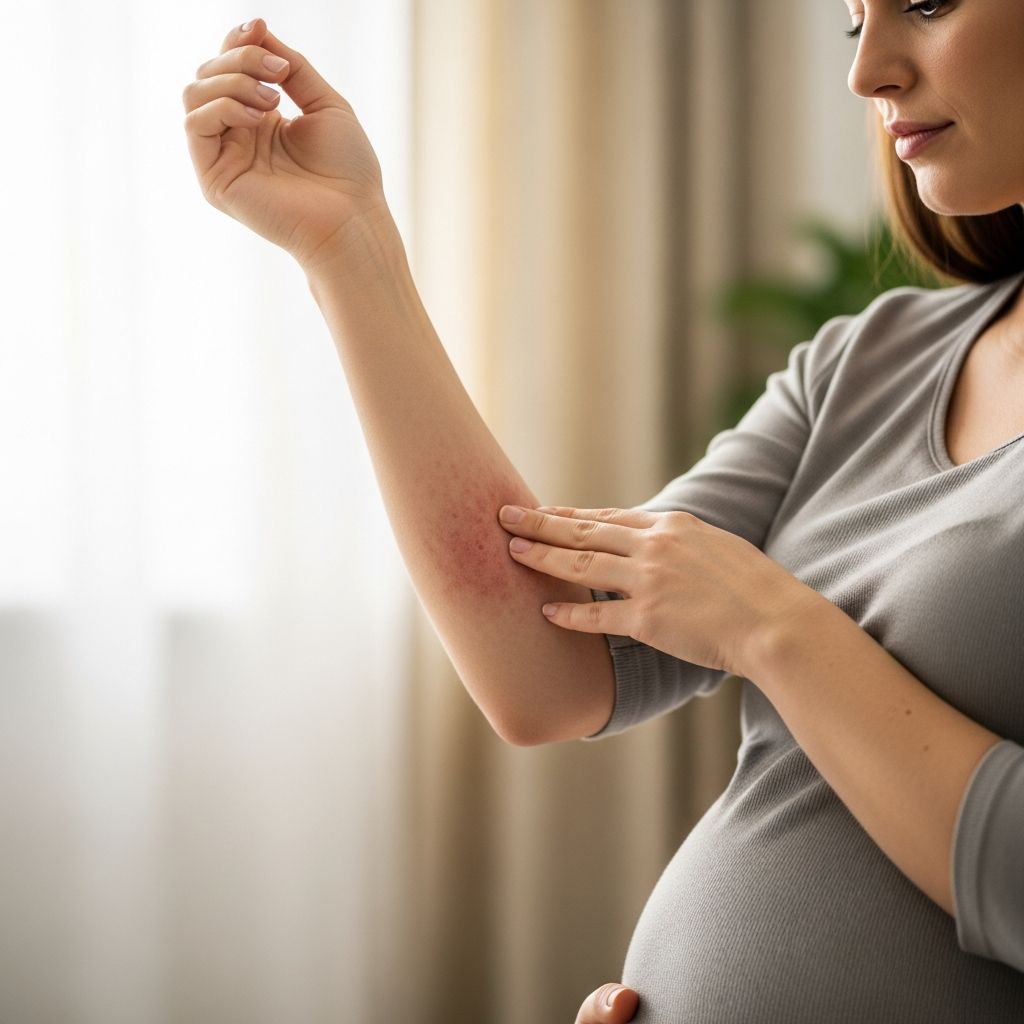
Eczema, or atopic dermatitis, affects many women during pregnancy, either worsening existing cases or appearing for the first time due to hormonal shifts. This guide explores its causes, safe management strategies, and postpartum considerations to help maintain skin health without risking the baby.
Understanding Eczema’s Link to Pregnancy
Hormonal changes, immune system adjustments, and increased blood volume during pregnancy can trigger or exacerbate eczema. Studies show it’s the most common skin issue in expectant mothers, with about one in four seeing symptom improvement, while others face intensified itching and inflammation.
- Hormonal Influence: Elevated estrogen and progesterone alter skin barrier function, potentially leading to drier, more reactive skin.
- Immune Shifts: Pregnancy suppresses certain immune responses, which may unmask atopic tendencies.
- New Onset Cases: Up to 25% of pregnant women develop eczema without prior history, often resolving post-delivery.
Untreated flares can disrupt sleep, heighten stress, and lead to infections, impacting overall pregnancy quality. Early intervention is key.
Common Triggers and Prevention Strategies
Identifying and avoiding triggers prevents flares. Pregnancy-specific factors like heat retention and sweat amplify irritation.
| Trigger Category | Examples | Prevention Tips |
|---|---|---|
| Environmental | Hot showers, dry air, wool fabrics | Use lukewarm water, humidifiers, cotton clothing |
| Product-Related | Fragranced soaps, harsh detergents | Opt for soap-free cleansers, fragrance-free moisturizers |
| Lifestyle | Stress, excessive sweating | Practice relaxation techniques, loose garments |
| Dietary | Potential allergens like dairy (individual basis) | Track food diary, consult allergist if needed |
Daily skin care routines fortify the barrier: pat dry after bathing and apply thick emollients immediately.
Safe Topical Treatments for Expectant Mothers
Topical therapies form the foundation of eczema management in pregnancy, with most considered low-risk when used judiciously.
- Emollients: Thick, ointment-based moisturizers applied multiple times daily repair the skin barrier and reduce itch. Aqueous cream or paraffin-based options are ideal.
- Topical Corticosteroids: Mild to moderate potency steroids (e.g., hydrocortisone, betamethasone) are safe for short bursts up to two weeks. Avoid high-potency on large areas.
- Antihistamines: Sedating types like chlorpheniramine help with nighttime itch; non-sedating options for daytime use after doctor approval.
Clinicians often note undertreatment due to safety fears, but evidence supports these as first-line.
Advanced Options: Phototherapy and Systemic Therapies
For moderate-to-severe cases unresponsive to topicals, escalation is necessary under dermatologist guidance.
Narrowband UVB Phototherapy: This light therapy is safe throughout pregnancy and breastfeeding, targeting inflammation without systemic absorption. Sessions are typically 2-3 times weekly.
Systemic Treatments:
- Oral Corticosteroids: Short courses for acute flares; prednisone is preferred as it minimally crosses the placenta.
- Biologics like Dupilumab: Limited data but case series show good control with no adverse fetal outcomes. Continuation from preconception may be considered up to first trimester.
- Other Immunosuppressants: Avoid teratogenic agents like methotrexate preconception; cyclosporine has some safety data for severe cases.
Related Stories



Preconception planning involves discontinuing high-risk drugs.
Managing Eczema During Breastfeeding
Postpartum, hormonal stabilization often improves eczema, but flares can persist. Treatments mirror pregnancy with added caveats.
- Continue emollients, topicals, and narrowband UVB.
- Apply steroids to nipples/areola after feeds, wiping off before next; minimal absorption risk.
- Consult for oral meds; most antihistamines are compatible.
Infant eczema risk rises if maternal history exists, so gentle newborn skin care is vital.
Lifestyle Adjustments for Optimal Skin Health
Beyond meds, habits matter:
- Bathe in lukewarm water for 10 minutes max, using gentle cleansers.
- Moisturize within 3 minutes post-bath.
- Wear breathable fabrics; maintain cool indoor temps.
- Manage stress via prenatal yoga or mindfulness.
- Monitor for infection signs like oozing, seeking prompt antibiotics safe in pregnancy.
When to Seek Specialist Care
Consult a dermatologist if:
- Topicals fail after 1-2 weeks.
- Sleep/quality of life severely impacted.
- Infection suspected.
- Planning systemic therapy.
Multidisciplinary care with obstetricians ensures holistic management.
FAQs on Eczema and Pregnancy
Can eczema harm my baby?
No direct harm, but poor control affects maternal health. Safe treatments mitigate risks.
Is it safe to use steroid creams while pregnant?
Yes, mild/moderate in short courses; follow medical advice.
What if eczema starts for the first time in pregnancy?
Common due to hormones; treat as standard with topicals first.
Does breastfeeding worsen eczema?
Usually improves, but nipple eczema needs careful treatment.
Are natural remedies better?
Not necessarily; some irritate. Stick to proven, fragrance-free products.
Maintaining proactive skin care empowers women to enjoy pregnancy itch-free. Collaborate with healthcare providers for tailored plans.
References
- The management of severe eczema in pregnancy — National Center for Biotechnology Information (PMC). 2024. https://pmc.ncbi.nlm.nih.gov/articles/PMC11782799/
- Eczema during pregnancy and breastfeeding — Pregnancy Birth & Baby (Australian Government). 2023-10-12. https://www.pregnancybirthbaby.org.au/eczema-during-pregnancy-and-breastfeeding
- Pregnancy and eczema — National Eczema Society. 2024. https://eczema.org/information-and-advice/living-with-eczema/pregnancy-and-eczema/
- The Pregnant Woman’s Guide to Eczema, Psoriasis, and HPV — Schweiger Dermatology Group. 2023. https://www.schweigerderm.com/skin-care-articles/medical-dermatology/pregnant-womans-guide-eczema-psoriasis-hpv/
- Eczema and Pregnancy with Payel Gupta, MD — YouTube (Medical Video). 2023. https://www.youtube.com/watch?v=d1KNc3YnHWI
Similar Articles








Read full bio of medha deb