Eczema Itch Relief: Practical Strategies For Fast Comfort
Discover proven home remedies, medical treatments, and daily habits to effectively soothe and manage persistent eczema itching for lasting skin comfort.
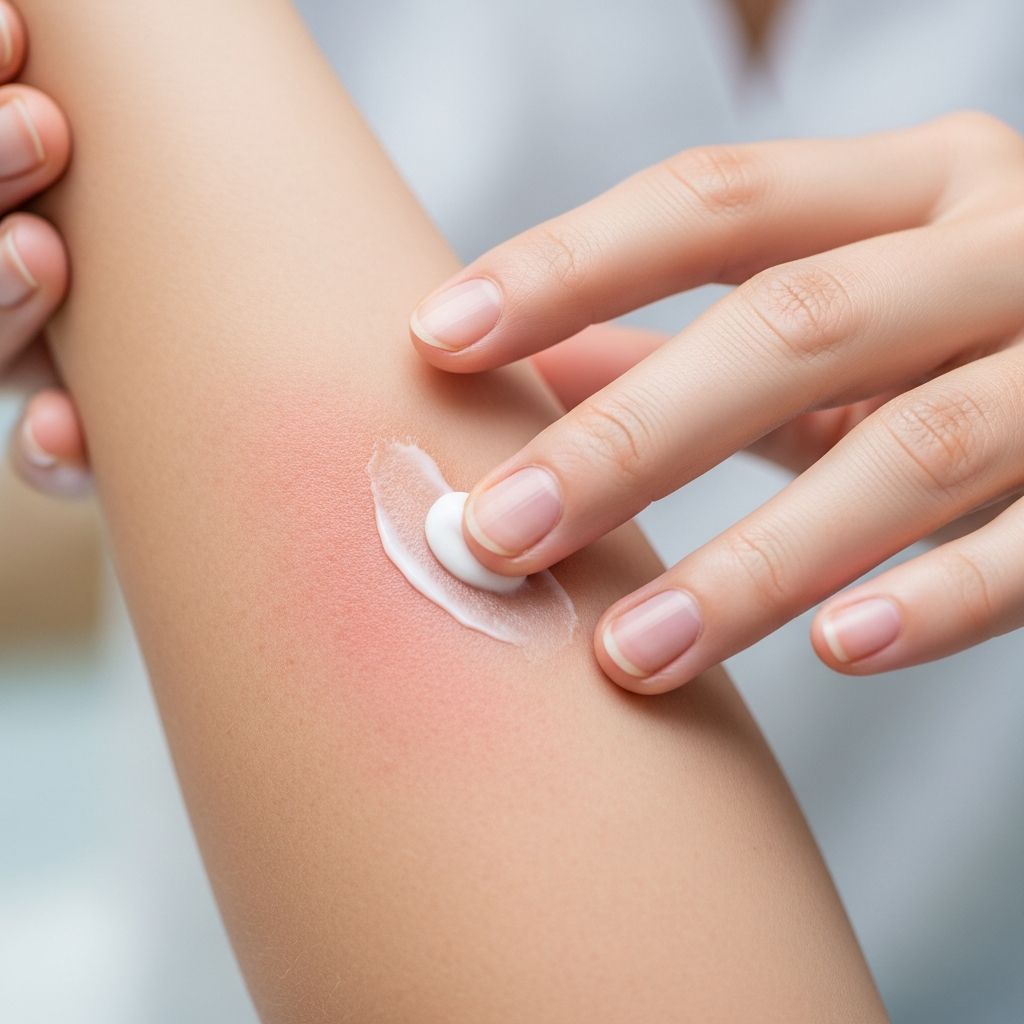
The relentless itch of eczema can disrupt daily life, but targeted approaches can break the cycle. This guide details practical home techniques, over-the-counter aids, prescription therapies, and preventive measures to restore skin balance and minimize discomfort.
Understanding the Eczema Itch Cycle
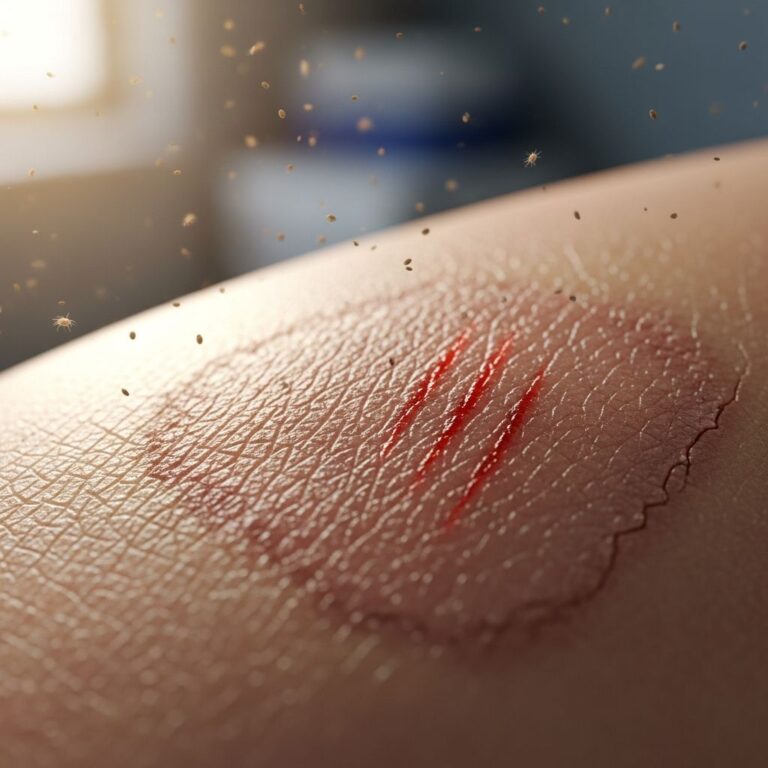
Eczema, or atopic dermatitis, triggers intense itching due to a compromised skin barrier, inflammation, and heightened sensitivity. Scratching worsens damage, leading to a vicious cycle of irritation and potential infection. Effective relief focuses on cooling inflamed areas, hydrating the skin, and reducing inflammatory triggers.
Key factors amplifying itch include dry environments, allergens, stress, and temperature changes. Addressing these holistically promotes healing and prevents flares.
Immediate Home Remedies for Quick Relief
Start with simple, accessible methods to calm acute itching without medications.
- Cool Compress Application: Soak a clean cloth in cool water, wring it out, and apply to affected skin for 10-15 minutes. This lowers skin temperature, numbs nerves, and reduces inflammation. Follow with moisturizer to seal in hydration.
- Colloidal Oatmeal Baths: Add finely ground oatmeal to lukewarm bathwater and soak for 10-15 minutes. Oatmeal’s anti-inflammatory properties soothe and protect the skin barrier. Pat dry gently and moisturize immediately.
- Pinch and Pat Technique: Instead of scratching, pinch the itchy spot firmly then pat lightly. This distracts nerve signals without breaking the skin, preventing further damage.
These methods provide rapid relief and are safe for all ages, including children.
Advanced At-Home Techniques
For persistent symptoms, elevate basic remedies with structured routines.
Wet Wrap Therapy
Wet wraps enhance moisturizer absorption and cool the skin. Apply a thick layer of ointment or cream, cover with damp cotton bandages or clothing, then top with dry layers. Wear for 2-8 hours or overnight. This method intensifies hydration and disrupts the itch-scratch cycle.
Soak and Seal Method
Bathe in lukewarm water, apply prescription topicals if needed to flare areas, then seal the entire body with ointment within 3 minutes. Repeat 3-7 times weekly to rebuild the skin barrier.
Benefits Comparison Table:
| Method | Duration | Best For | Key Benefit |
|---|---|---|---|
| Cool Compress | 10-15 min | Acute flares | Instant cooling |
| Oatmeal Bath | 10-15 min | Body-wide itch | Anti-inflammatory |
| Wet Wraps | 2-8 hours | Severe dryness | Deep hydration |
| Soak & Seal | Daily/weekly | Maintenance | Barrier repair |
Over-the-Counter Options for Itch Control
Pharmacy products bridge home remedies and prescriptions.
- Topical Hydrocortisone (1%): Low-potency steroid cream reduces swelling and itch during flares. Apply sparingly 1-4 times daily for short periods.
- Anti-Itch Creams: Formulas with menthol (1-3%), lidocaine (5%), or pramoxine (1%) numb the area. Capsaicin (0.025%) provides a tingling distraction; refrigerate for added cooling.
- Oral Antihistamines: Non-drowsy options like cetirizine or loratadine block histamine, easing itch and aiding sleep. Combine with moisturizers for optimal results.
- Heavy-Duty Moisturizers: Ointments like petroleum jelly or ceramide-based creams (e.g., Eucerin Eczema Relief) lock in moisture. Apply twice daily and after bathing.
Always patch-test new products to avoid irritation.
Prescription Treatments for Moderate to Severe Cases
When OTC fails, consult a dermatologist for targeted therapies.
- Topical Corticosteroids: Mid-to-high potency for flares; short-term use minimizes side effects like skin thinning.
- Non-Steroidal Topicals: Calcineurin inhibitors (tacrolimus), PDE4 inhibitors (roflumilast), and JAK inhibitors (ruxolitinib) reduce inflammation without steroids. Ideal for sensitive areas.
- Phototherapy: Controlled UV light exposure decreases itch and inflammation; supervised for safety.
- Oral Medications: JAK inhibitors or biologics for widespread severe eczema; address root inflammation.
Topicals often provide itch relief within days.
Lifestyle Adjustments to Prevent Itching
Daily habits sustain relief and reduce flare frequency.
Related Stories



- Maintain short fingernails and wear cotton gloves at night to block unconscious scratching.
- Use a humidifier to combat dry air, especially in winter.
- Opt for lukewarm showers (avoid hot water) and gentle, fragrance-free cleansers.
- Wear breathable cotton clothing; launder in hypoallergenic detergent.
- Identify triggers via a skin diary: track diet, stress, and products.
Managing Itch in Specific Eczema Types
Tailor strategies to variants.
- Atopic Dermatitis: Emphasize barrier repair with soak/seal and wet wraps.
- Contact Dermatitis: Avoid irritants; use emollients and mild steroids.
- Dyshidrotic Eczema: Cool compresses plus corticosteroids dry blisters quickly.
FAQs on Eczema Itch Relief
Q: How quickly do home remedies work?
A: Cool compresses offer instant relief; consistent use of baths and moisturizers shows improvement in 1-2 days.
Q: Are bleach baths safe?
A: Diluted properly (1/2 cup per 40 gallons), they reduce bacteria and itch; consult a doctor first.
Q: Can natural oils help?
A: Coconut or jojoba oil moisturizes, but test for allergies; not a steroid replacement.
Q: When to see a doctor?
A: If itch persists >1 week, signs of infection appear, or OTC fails.
Q: Is nighttime itching normal?
A: Yes; use antihistamines, thick ointments, and gloves for better sleep.
Building a Long-Term Relief Plan
Combine remedies into a routine: morning moisturize, midday compress if needed, evening soak/seal. Track progress and adjust with professional input. Patience yields clearer, less itchy skin over weeks.
References
- Home remedies: What can relieve itchy eczema? — American Academy of Dermatology (AAD). 2023. https://www.aad.org/public/diseases/eczema/childhood/itch-relief/home-remedies
- Eczema Relief: 7 Treatment Options To Manage Eczema — Oak Street Health. 2024. https://www.oakstreethealth.com/eczema-relief-7-treatment-options-to-manage-eczema-2241117
- The Most Effective Eczema Treatment Options — UCF Health. 2024. https://ucfhealth.com/our-services/dermatology/the-most-effective-eczema-treatment-options/
- Ways to Relieve Itch from Eczema — National Eczema Association. 2024. https://nationaleczema.org/eczema-management/itchy-skin/
- Fastest Ways to Heal Eczema — Oak Dermatology. 2024. https://www.oakderm.com/dermatology-blog/what-is-the-fastest-way-to-heal-eczema
- Current Clinical Options for the Management of Itch in Atopic Dermatitis — PMC (NCBI). 2021-07-28. https://pmc.ncbi.nlm.nih.gov/articles/PMC8349193/
- Don’t Scratch! What to Do When Your Eczema Itches — WebMD. 2024. https://www.webmd.com/skin-problems-and-treatments/eczema/ss/slideshow-eczema-itch-dont-scratch
Similar Articles








Read full bio of Sneha Tete