Eczema Knowledge Test: Essential Skin Care Quiz
Challenge your understanding of eczema with this engaging quiz on causes, symptoms, treatments, and daily management strategies for better skin health.
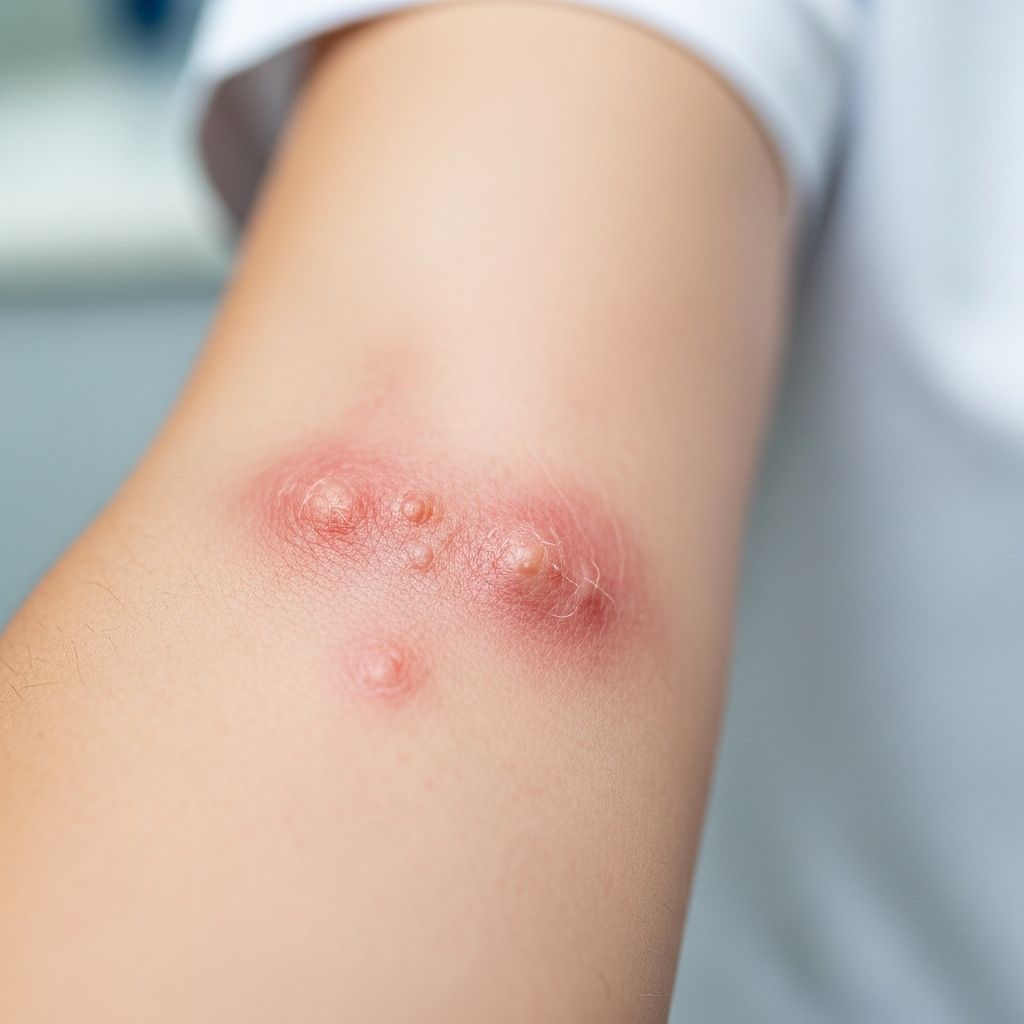
Eczema, a prevalent skin disorder marked by intense itching and inflammation, impacts millions worldwide, from infants to seniors. This comprehensive knowledge test explores its diverse forms, underlying triggers, proven therapies, and practical management approaches. Engaging with these questions sharpens awareness and equips individuals with tools for symptom control and flare prevention.
Understanding Eczema Fundamentals
Eczema encompasses a range of conditions where the skin barrier fails, leading to dryness, irritation, and susceptibility to environmental factors. Atopic dermatitis, the most common variant, often emerges in childhood and links to genetic predispositions and immune overreactions.
- Prevalence Insight: It affects people across all ages, with higher incidence in those with family histories of allergies, asthma, or hay fever.
- Skin Barrier Role: A defective barrier allows moisture loss and entry of irritants, bacteria, and allergens, exacerbating symptoms.
Core Symptoms and Their Impact
Recognizing symptoms early aids in timely intervention. Primary signs include persistent itchiness, red or inflamed patches, dry scaly skin, and small bumps that may ooze or crust over.
| Symptom | Description | Common Locations |
|---|---|---|
| Intense Itching | Overwhelming urge to scratch, worsening at night | Arms, legs, face |
| Red Rashes | Pink to red inflamed areas, varying by skin tone | Folds of elbows, knees |
| Dry Patches | Flaky, thickened skin prone to cracking | Hands, neck |
| Oozing Lesions | Weepy areas from scratching-induced breaks | Bend areas, trunk |
Complications like infections from Staphylococcus aureus bacteria or post-inflammatory pigmentation changes highlight the need for vigilant care.
Triggers That Spark Flares
Multiple factors provoke eczema episodes, demanding personalized avoidance strategies. Environmental allergens, stress, and lifestyle habits play key roles.
- Irritants such as harsh soaps, detergents, and wool fabrics strip natural oils.
- Allergens including pollen, dust mites, pet dander, and certain foods provoke immune responses.
- Climatic influences like dry cold air, heat, sweat, or humidity shifts disrupt skin balance.
- Stress and hormonal fluctuations amplify inflammation.
Identifying personal triggers through tracking journals proves invaluable for long-term control.
Diverse Types of Eczema
Beyond atopic dermatitis, eczema manifests in specialized forms, each with unique characteristics and management needs.
- Contact Dermatitis: Arises from direct irritant or allergen exposure, treatable by elimination.
- Seborrheic Dermatitis: Affects oily areas like scalp, managed with antifungal shampoos.
- Stasis Dermatitis: Linked to poor leg circulation, requiring compression and elevation.
- Dyshidrotic Eczema: Features deep blisters on hands and feet, soothed by moisturizers and steroids.
Tailored diagnosis by dermatologists ensures appropriate therapies.
Proven Treatment Strategies
While no cure exists, multifaceted treatments alleviate symptoms and restore skin integrity. Core approaches emphasize hydration, inflammation control, and infection prevention.
Daily Skincare Essentials
- Apply fragrance-free emollients liberally post-bath to lock in moisture.
- Use gentle cleansers avoiding hot water to preserve skin lipids.
- Incorporate humectants like glycerin or urea for deeper hydration.
Related Stories



Medical Interventions
Topical corticosteroids reduce acute inflammation, while calcineurin inhibitors offer steroid-sparing options. For infections, antibiotics target bacterial overgrowth.
- Wet Wrap Therapy: Soak skin, apply medication, then damp dressings to enhance absorption.
- Phototherapy: Controlled UV exposure calms chronic flares under medical supervision.
- Systemic Options: Biologics and immunosuppressants for severe, refractory cases.
Lifestyle Adjustments for Lasting Relief
Empowering habits complement medical care, minimizing flares and enhancing quality of life.
- Maintain cool, humid environments to counter dryness.
- Opt for breathable cotton clothing over synthetics or wool.
- Practice stress reduction via mindfulness or exercise.
- Employ cool compresses or colloidal oatmeal baths for itch relief.
Consistent routines yield the best outcomes, often improving symptoms over time, especially in children.
Common Misconceptions Debunked
Myths can hinder effective management. Eczema is not contagious, nor solely a hygiene issue; it’s rooted in genetics and immunity.
- Myth: Eczema results from poor parenting. Fact: Genetic factors predominate.
- Myth: It always resolves in adulthood. Fact: Many persist, requiring ongoing care.
- Myth: Over-moisturizing harms skin. Fact: Frequent application strengthens the barrier.
Frequently Asked Questions (FAQs)
Can diet influence eczema?
While not universal, eliminating triggers like dairy or nuts helps some; consult allergists for testing.
Is eczema hereditary?
Yes, family history significantly raises risk due to shared genes affecting skin and immunity.
How to prevent infections in eczema?
Avoid scratching, use prescribed antimicrobials promptly, and maintain short nails.
Are natural remedies effective?
Some like coconut oil aid mild cases, but evidence favors medical treatments for moderate-severe.
When to see a doctor?
Seek care for widespread flares, signs of infection, or disrupted daily life.
Empowering Your Eczema Journey
Armed with knowledge, individuals navigate eczema confidently. Regular dermatologist visits, trigger awareness, and adherence to regimens transform management. Support groups and updated research further empower patients toward healthier skin.
References
- Eczema | Fact Sheets — Yale Medicine. 2023. https://www.yalemedicine.org/conditions/eczema
- Eczema Symptoms, Causes, and Treatment — WebMD. 2023. https://www.webmd.com/skin-problems-and-treatments/eczema/atopic-dermatitis-eczema
- Types of Eczema: Symptoms, Differences, Diagnosis — National Eczema Association. 2024. https://nationaleczema.org/types-of-eczema/
- Eczema (Atopic Dermatitis) | Symptoms, Treatment & Management — American Academy of Allergy, Asthma & Immunology. 2023. https://www.aaaai.org/tools-for-the-public/conditions-library/allergies/eczema-(atopic-dermatitis)-overview
- Atopic dermatitis (eczema) – Symptoms and causes — Mayo Clinic. 2024-02-01. https://www.mayoclinic.org/diseases-conditions/atopic-dermatitis-eczema/symptoms-causes/syc-20353273
- Atopic eczema — NHS. 2023. https://www.nhs.uk/conditions/atopic-eczema/
- Eczema (Atopic Dermatitis) Overview — Pfizer. 2023. https://www.pfizer.com/disease-and-conditions/eczema
Similar Articles








Read full bio of medha deb