Eczema’s Hidden Toll on Mental Wellbeing
Understanding the psychological burden of atopic dermatitis and pathways to holistic care

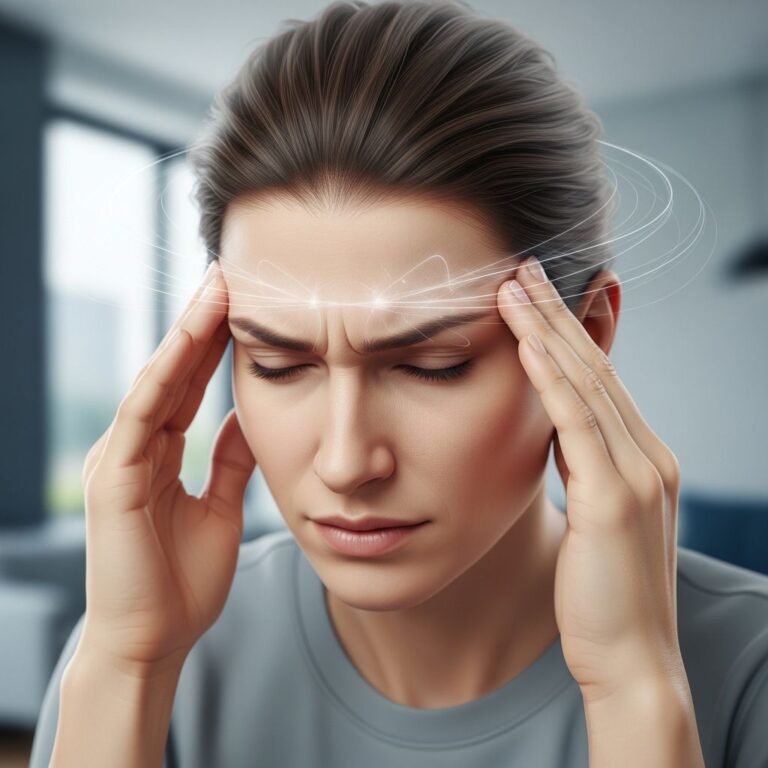
While eczema is commonly understood as a skin condition characterized by itching, inflammation, and visible lesions, its impact extends far beyond the physical symptoms visible on the body. Emerging research demonstrates that individuals living with atopic dermatitis (AD), the most prevalent form of eczema, face a significant psychological burden that healthcare providers and patients themselves are only beginning to fully recognize and address. This intersection of dermatological disease and mental health represents a critical gap in comprehensive patient care.
The Scale of the Mental Health Crisis Among Eczema Patients
Recent epidemiological findings paint a sobering picture of the mental health landscape for those managing eczema. Approximately 70% of individuals with atopic dermatitis report that their mental health has been negatively impacted by their condition over the past year. When researchers extended the timeframe of their inquiry, the proportion climbed even higher, with roughly 80-90% of patients indicating that at some point during their disease journey, their psychological wellbeing has suffered as a consequence of eczema.
Beyond these baseline prevalence figures, the frequency and duration of mental health symptoms paint an even more troubling portrait. Approximately 72% of eczema patients experience adverse mental health symptoms for 1-10 days per month, while 17% report experiencing such symptoms for more than 11 days monthly. Translating these percentages into lived experience, roughly one-quarter of surveyed individuals indicated that atopic dermatitis affected their mental health approximately one day out of every three days within a calendar month—a pattern that intensifies as disease severity increases.
The prevalence of depression and anxiety among adults with eczema substantially exceeds rates in the general population. Adults managing atopic dermatitis face a 2.5 to 3-fold increased risk of anxiety and depression compared to those without the condition. Furthermore, patients with eczema demonstrate elevated risk for suicidal ideation, underscoring the serious nature of this psychological comorbidity.
Understanding the Bidirectional Relationship Between Eczema and Psychological Distress
The relationship between eczema and mental health operates as a complex, bidirectional cycle rather than a simple linear cause-and-effect pathway. The chronic physical symptoms of eczema—persistent itching, painful skin integrity disruption, and visible lesions—create immediate physiological and psychological stress. The unpredictable nature of disease flares introduces uncertainty and anxiety about when symptoms might emerge, exacerbating emotional burden.
Sleep disruption represents another critical mechanism through which eczema compromises mental health. The intense pruritis associated with atopic dermatitis frequently prevents restorative sleep, and the resulting sleep deprivation amplifies symptoms of anxiety and depression while simultaneously impairing emotional regulation. This creates a compounding effect where poor sleep quality worsens both the skin condition and psychological symptoms.
Beyond these direct physiological pathways, the visible nature of eczema lesions creates psychosocial stressors. Patients often experience social withdrawal, embarrassment, and reduced quality of life due to the cosmetic appearance of skin manifestations. These social and emotional impacts further deteriorate mental health status, which paradoxically worsens the eczema itself—anxiety intensifies inflammatory responses and increases scratching behaviors, perpetuating the destructive cycle.
Related Stories



The Severity Spectrum: Mental Health Burden Across Disease States
While the mental health impact of eczema shows clear correlation with disease severity, research reveals a surprising and clinically important finding: psychological distress occurs across the entire disease severity spectrum, including among patients with mild or even clear eczema. This observation suggests that the emotional burden of living with eczema extends beyond those with severe, visible manifestations.
The pattern demonstrates that disease severity functions as a modifier rather than a prerequisite for mental health impacts. Patients managing mild eczema still report substantial negative effects on their psychological wellbeing, though the absolute percentage of affected individuals and the frequency of symptoms does increase alongside disease severity. This finding has important implications for clinical practice, suggesting that mental health assessment and support should be integrated across all severity levels rather than reserved only for moderate-to-severe cases.
The Gap in Clinical Recognition and Support
Despite the substantial evidence documenting mental health impacts of eczema, a troubling disconnect exists between patient experiences and healthcare provider engagement on this issue. Research examining allergist-patient interactions revealed that:
- 57% of eczema patients had never been asked about their mental health by their allergist
- 35% of patients had never raised the topic of mental health with their allergist themselves
- Only 45% of patients reported receiving referrals to mental health services or resources from their allergist
This gap between clinical need and actual care delivery represents a significant opportunity for healthcare system improvement. Patients themselves recognize the connection between their skin condition and psychological wellbeing, yet healthcare providers frequently fail to address this dimension of their patients’ experiences. The disconnect suggests that current clinical paradigms compartmentalize dermatological and mental health concerns, despite clear evidence supporting their integration.
Comorbid Atopic Conditions and Compounded Mental Health Burden
The mental health burden of eczema becomes substantially more pronounced when patients present with additional atopic conditions. Individuals managing atopic dermatitis alongside allergic rhinitis, asthma, or food allergies experience compounded psychological impacts. This pattern indicates that the mental health effects are not solely attributable to eczema in isolation but reflect the cumulative burden of multiple chronic inflammatory conditions that frequently co-occur.
Healthcare providers, particularly allergists who commonly manage patients with multiple atopic diseases, encounter patient populations carrying elevated baseline mental health risks. The convergence of multiple chronic conditions, each with its own symptom burden, treatment demands, and lifestyle restrictions, creates psychological stress that exceeds what any single condition would generate independently.
Quality of Life Consequences Beyond Mental Diagnosis
The psychological impact of eczema manifests through measurable impacts on fundamental aspects of daily functioning and quality of life. Documented consequences include:
| Impact Category | Manifestation |
|---|---|
| Social Functioning | Social withdrawal, reduced participation in activities, interpersonal difficulties |
| Occupational Performance | Work productivity losses, difficulty maintaining employment, reduced earning capacity |
| Sleep Architecture | Delayed sleep onset, frequent nighttime awakening, non-restorative sleep |
| Emotional Regulation | Irritability, mood lability, emotional reactivity |
| Behavioral Patterns | Increased scratching despite awareness of harm, avoidant behaviors, compulsive skin-focused behaviors |
These quality-of-life impacts extend beyond the individual patient to affect family members and caregivers. Parents of children with eczema report significant psychological distress related to their child’s condition, expanding the circle of those experiencing mental health burden secondary to atopic dermatitis.
Toward Integrated, Holistic Treatment Approaches
Current evidence supports a fundamental reconceptualization of eczema treatment paradigms. Rather than viewing dermatological and psychological concerns as separate domains requiring compartmentalized care, emerging clinical guidance emphasizes integrated, holistic approaches that simultaneously address skin disease and mental health. This integrated model recognizes that effective eczema management requires coordination across multiple healthcare domains.
Implementation of this approach involves several key components. First, healthcare providers across specialties—dermatologists, allergists, primary care physicians, and mental health professionals—must routinely assess and discuss mental health impacts with eczema patients. Second, clinical protocols should incorporate standardized screening for depression, anxiety, and psychological distress as part of comprehensive eczema evaluation. Third, patients should receive ready access to mental health resources and trained professionals capable of addressing the specific psychological impacts of chronic skin disease.
Treatment selection itself can incorporate mental health considerations. Dermatological interventions that rapidly improve visible skin lesions may provide psychological benefits beyond the physical healing of skin. Conversely, comprehensive mental health treatment addressing anxiety and depressive symptoms may indirectly improve eczema outcomes by reducing stress-induced inflammatory exacerbations and decreasing anxiety-driven scratching behaviors.
Patient Awareness and Advocacy in Clinical Settings
The research findings indicate that patients themselves are increasingly aware of connections between their eczema and mental health. This growing patient awareness creates opportunities for improved clinical communication and advocacy. Patients who recognize mental health impacts can more effectively communicate their experiences to healthcare providers, while providers armed with research data can more confidently raise mental health discussions with their patients.
Healthcare systems can leverage this awareness by developing patient education materials that explicitly address the mental health aspects of eczema, normalizing psychological responses to chronic skin disease and reducing stigma around mental health treatment. When patients understand that psychological impacts are documented, common, and addressable, they become more likely to raise these concerns with healthcare providers and more willing to engage with mental health support services.
Future Directions in Research and Clinical Care
Current research has established the prevalence and impact of mental health comorbidity in eczema, yet substantial questions remain regarding optimal intervention strategies. Future investigations should examine the effectiveness of various integrated treatment approaches, identify which interventions produce both dermatological and psychological improvements, and determine optimal timing and sequencing of different therapeutic modalities.
Clinical implementation research is needed to identify effective methods for integrating mental health assessment and referral into routine eczema care across diverse healthcare settings. Healthcare systems must develop training programs that equip dermatologists, allergists, and primary care providers with competency in recognizing and addressing mental health concerns while maintaining appropriate scope of practice and facilitating effective collaboration with mental health professionals.
Conclusion: Recognizing Eczema as a Whole-Person Condition
The convergence of recent research evidence demonstrates that eczema extends far beyond a dermatological concern, affecting the psychological wellbeing of the majority of individuals who experience it. The prevalence of mental health impacts, the elevated risks for depression and anxiety, and the substantial effects on quality of life collectively demonstrate that comprehensive eczema management must incorporate psychological assessment and mental health support as core components rather than optional additions.
Healthcare providers, healthcare systems, patients, and families all have roles to play in recognizing and addressing this psychological burden. By acknowledging the bidirectional relationship between skin disease and mental health, integrating mental health into standard eczema care, and fostering open communication about psychological impacts, the healthcare system can move toward truly holistic management of atopic dermatitis. The evidence is clear: effective eczema care must address the whole person, not just the affected skin.
References
- Eczema: How this skin condition can affect mental health — Medical News Today. 2024. https://www.medicalnewstoday.com/articles/how-eczema-can-create-adverse-mental-health-symptoms
- Survey: 72% of Eczema Patients Suffered Poor Mental Health Symptoms for 1-10 Days in Past Month — American College of Allergy, Asthma and Immunology (ACAAI). November 2023. https://acaai.org/news/survey-72-of-eczema-patients-suffered-poor-mental-health-symptoms-for-1-10-days-in-past-month/
- NEA Publishes New Paper on Mental Health and Eczema — National Eczema Association. 2024. https://nationaleczema.org/blog/new-paper-on-mental-health-and-eczema/
- Eczema and Mental Health — HealthCentral. 2024. https://www.healthcentral.com/news/eczema/mental-health-and-eczema
- As Many as 7 in 10 Patients Report Significant Mental Health Impact from Eczema — Dermatology Nurse Practitioners and Physician Assistants (DMNPPA). https://dermnppa.org/as-many-as-7-in-10-patients-report-significant-mental-health-impact-from-eczema/
- Mental Health Comorbidity in Atopic Dermatitis — PubMed Central, National Center for Biotechnology Information (NCBI). https://pmc.ncbi.nlm.nih.gov/articles/PMC3565469/
Similar Articles








Read full bio of Sneha Tete