Eczema and the Mind: Breaking Negative Thought Cycles
Discover how harmful self-talk worsens eczema symptoms and learn proven strategies to foster positive mental habits for healthier skin and well-being.
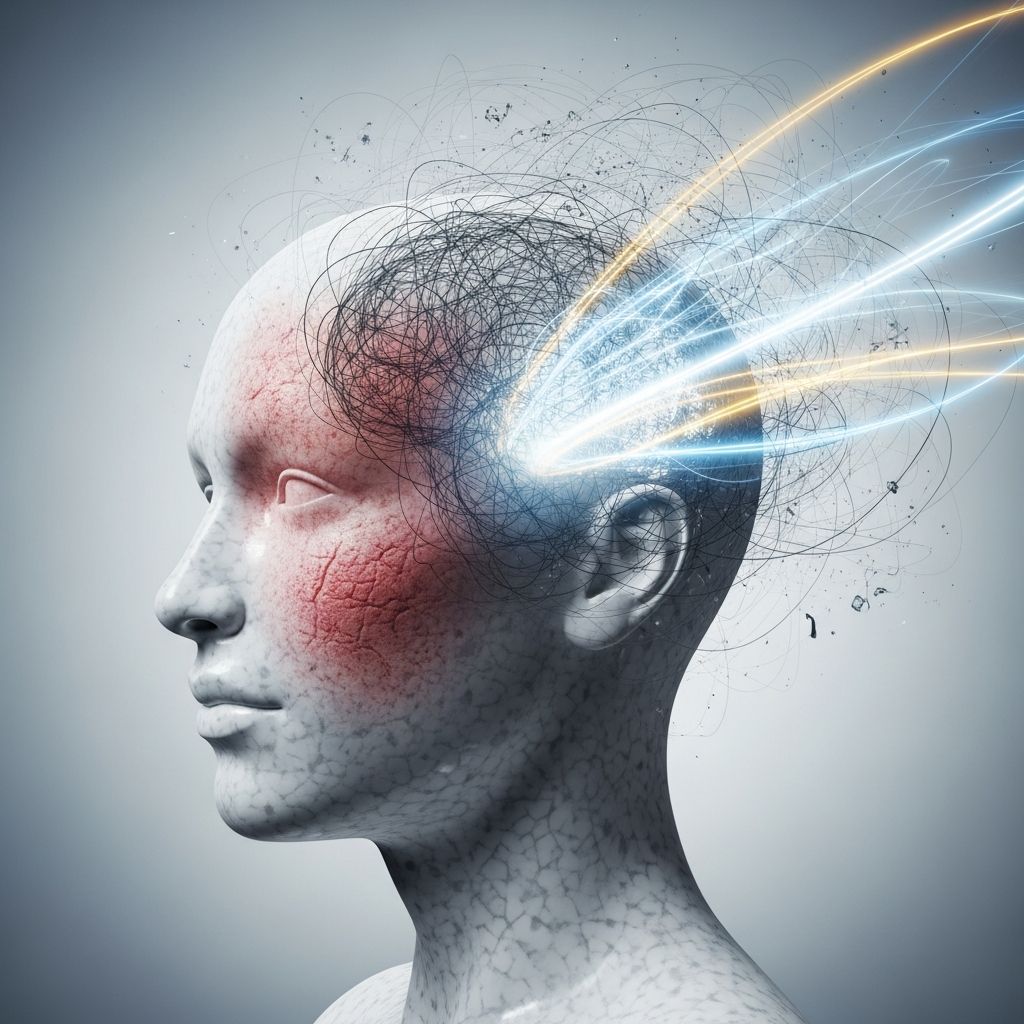
Chronic skin conditions like eczema often extend their influence beyond the physical, infiltrating emotional and psychological realms. Negative self-talk, a pattern of critical inner dialogue, can intensify symptoms by elevating stress levels, which in turn trigger inflammatory responses. This article delves into the intricate relationship between mindset and eczema management, offering practical tools to interrupt harmful thought patterns and promote holistic healing.
The Hidden Psychological Burden of Eczema
Eczema, clinically known as atopic dermatitis, affects millions worldwide, manifesting as persistent itching, redness, and skin barrier disruptions. While physical discomfort is evident, the psychological strain is equally profound. Individuals frequently report heightened frustration, embarrassment, and social withdrawal due to visible flare-ups, particularly on the face, hands, or neck.
Research underscores this connection: adults with atopic eczema face a 14% increased risk of new-onset depression and a 17% higher incidence of anxiety compared to those without the condition. This elevated risk follows a dose-response pattern, where more severe eczema correlates with greater mental health challenges, suggesting a causal link rather than mere coincidence.
Sleep disturbances from nocturnal itching compound these issues, impairing cognitive function and emotional regulation. Over time, this creates a vicious cycle: poor sleep fuels irritability and low mood, which exacerbate scratching behaviors and flare-ups.
How Negative Self-Talk Fuels Eczema Flares
Negative self-talk involves repetitive, self-deprecating thoughts such as “My skin is ruined forever” or “I’ll never be normal.” These cognitions activate the body’s stress response, releasing cortisol and other hormones that weaken the skin barrier and promote inflammation.
Studies indicate that stress from such mental patterns can directly worsen eczema symptoms. For instance, people with inflammatory skin diseases like atopic dermatitis exhibit altered brain-skin communication during stress, heightening itch perception and immune overactivity. The visibility of eczema amplifies self-consciousness, leading to avoidance of social events and strained relationships, further entrenching negative beliefs.
| Factor | Impact on Eczema | Mental Health Consequence |
|---|---|---|
| Visible Flare-Ups | Increased scratching and infection risk | Embarrassment, isolation |
| Chronic Itch | Skin damage, sleep loss | Frustration, anxiety |
| Negative Self-Talk | Stress-induced flares | Depression, low self-esteem |
This table illustrates key interconnections, highlighting why addressing mindset is essential for comprehensive care.
Scientific Evidence Linking Skin and Psyche
Population-based studies provide robust data on eczema’s mental health ramifications. A large cohort analysis of over 526,000 adults with atopic eczema matched to controls revealed hazard ratios of 1.14 for depression and 1.17 for anxiety, adjusted for confounders like age, sex, and socioeconomic status. The attributable risk—excess cases due to eczema—was 160 per 100,000 person-years for depression and 144 for anxiety.
Children and adolescents are not spared; they show elevated rates of depression, anxiety, and ADHD, with parents also experiencing secondary mental health burdens. Suicidal ideation risk rises by 44%, and attempts by 36% among those with atopic dermatitis.
Related Stories



Mechanisms include itch-induced discomfort, perceived stigmatization, and disfigurement, all amplified by poor sleep. These findings advocate for integrated care, including mental health screening for eczema patients.
Recognizing Patterns of Harmful Inner Dialogue
- Catastrophizing: Viewing minor flares as permanent disasters, heightening panic and cortisol spikes.
- All-or-Nothing Thinking: Believing skin must be flawless to be acceptable, fostering perfectionism and disappointment.
- Self-Blame: Attributing flares solely to personal failure, ignoring triggers like allergens or weather.
- Comparison Trap: Measuring against others’ clear skin, eroding self-worth.
These patterns, common in eczema sufferers, perpetuate a feedback loop with physical symptoms.
Practical Techniques to Reframe Your Mindset
Shifting from negativity requires deliberate practice. Start with awareness: journal daily thoughts during flares to identify recurring themes.
- Mindfulness Meditation: Dedicate 10 minutes daily to breath-focused exercises, reducing stress reactivity. Apps with guided sessions tailored for chronic illness can help.
- Cognitive Restructuring: Challenge distortions by asking, “What evidence supports this thought?” Replace with balanced views like “This flare is temporary and manageable.”
- Gratitude Practice: Note three skin-positive aspects nightly, such as effective moisturizing days, to build resilience.
- Visualization: Imagine calm, healed skin while applying treatments, linking positive imagery to routines.
Cognitive Behavioral Therapy (CBT) formalizes these approaches, proving effective for eczema-related distress by targeting itch-scratch cycles and emotional coping.
Building a Supportive Daily Routine
Incorporate mental health into eczema regimens:
- Morning: Affirmations like “My body is healing with each step I take.”
- Afternoon: Short walks in nature to lower cortisol.
- Evening: Progressive muscle relaxation before bed to enhance sleep quality.
Track progress in a dual journal: skin status alongside mood ratings. Over weeks, patterns emerge, empowering proactive adjustments.
Leveraging Professional and Community Resources
Don’t go it alone. Dermatologists can prescribe topicals or biologics alongside mental health referrals. Psychologists specializing in chronic illness offer tailored CBT.
Support groups provide validation; online forums connect those sharing coping triumphs. Parents of affected children benefit from family therapy to mitigate collective stress.
Long-Term Strategies for Sustained Improvement
Sustainable change involves habit stacking: pair moisturizing with positive self-talk. Monitor triggers via apps logging diet, stress, and flares.
Nutrition plays a role—anti-inflammatory diets rich in omega-3s may modulate both skin and mood. Exercise releases endorphins, countering depression risks.
Measure success not by flawless skin, but by reduced flare frequency, better sleep, and enhanced life satisfaction.
Frequently Asked Questions (FAQs)
Can stress alone cause eczema flares?
Stress doesn’t cause eczema but significantly worsens it by impairing skin barrier function and boosting inflammation.
How quickly can mindset shifts impact symptoms?
Many notice reduced itch intensity within 2-4 weeks of consistent practices like CBT or mindfulness.
Is therapy necessary for everyone with eczema?
Not always, but those with persistent anxiety or depression benefit greatly from professional intervention.
What if negative thoughts return during bad flares?
Relapse is normal; gently restart techniques and seek support to rebuild momentum.
Are there medications for eczema-related anxiety?
Yes, alongside therapy, SSRIs may be prescribed if depression is clinically significant.
Embracing Resilience: Your Path Forward
Managing eczema holistically means nurturing both body and mind. By dismantling negative self-talk, you disrupt the cycle, paving the way for calmer skin and a brighter outlook. Persistence yields results—research confirms that comprehensive approaches yield better outcomes.
References
- Hidden Impacts: How Living with Eczema Affects Mental Health — ID Tidewater. 2023. https://www.idtidewater.com/blog/hidden-impacts-how-living-with-eczema-affects-mental-health
- Atopic Eczema in Adulthood and Risk of Depression and Anxiety — PMC (NCBI). 2020-01-01. https://pmc.ncbi.nlm.nih.gov/articles/PMC6947493/
- Stress and Eczema | Eczema and Mental Health — National Eczema Association. 2024. https://nationaleczema.org/eczema-management/stress/
- Mental health support — National Eczema Society. 2023. https://eczema.org/information-and-advice/treatments-for-eczema/mental-health-support/
Similar Articles








Read full bio of medha deb