Eczema On Darker Skin: Expert Guide To Recognition & Care
Discover how eczema manifests and is managed on darker skin, addressing unique symptoms, treatments, and care strategies for optimal relief.
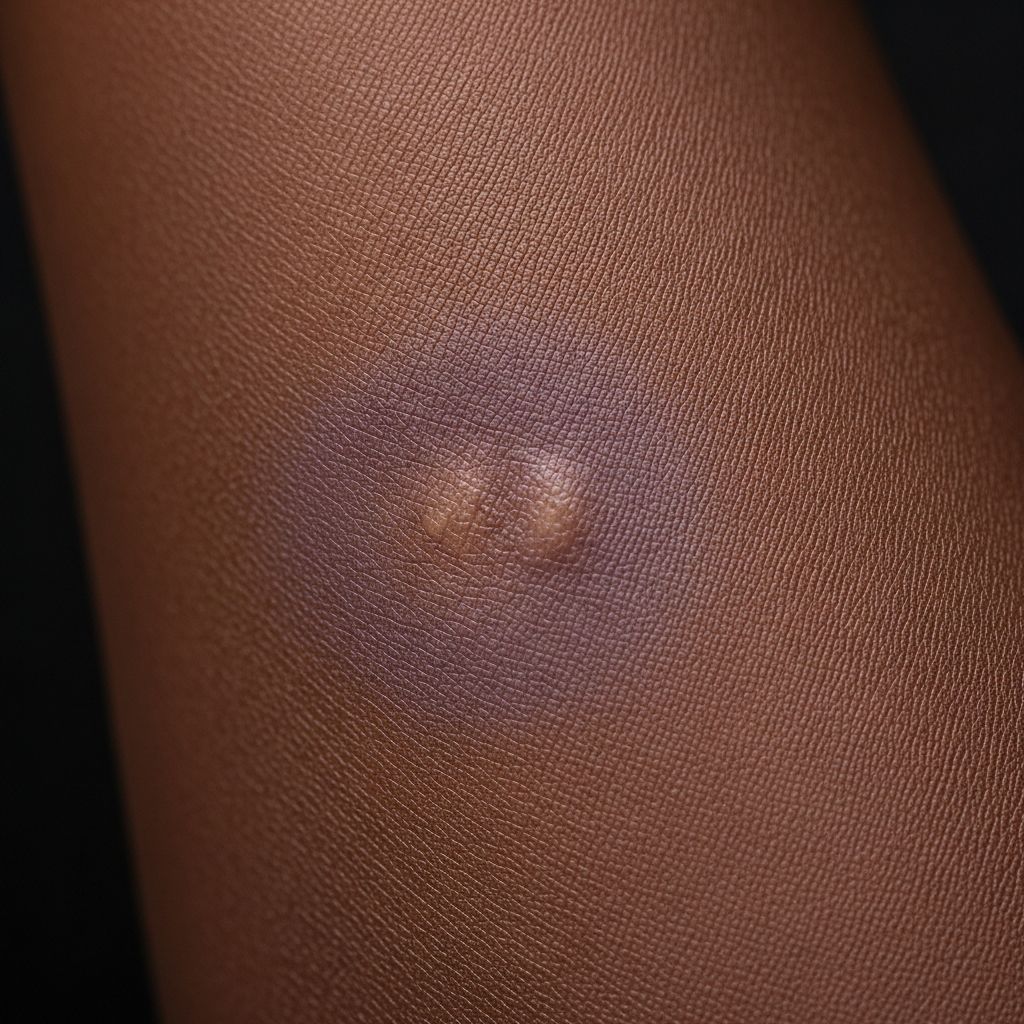
Eczema, particularly atopic dermatitis, presents differently on darker skin tones compared to lighter ones, often leading to delayed diagnosis and unique management challenges. This condition affects millions worldwide, with distinct visual cues like grayish or purplish patches rather than typical redness, alongside persistent itching and dryness.
Recognizing Eczema Manifestations on Melanin-Rich Skin
On darker skin, eczema does not show the classic red inflammation easily visible on fairer complexions. Instead, affected areas may appear ashen gray, deep purple, dark brown, or slightly darker than surrounding skin, making early detection harder. Dryness and intense itching remain universal, but scratching can lead to thickened, leathery textures known as lichenification, which looks like squared, darkened patches.
Common sites include the fronts of arms and legs, neck, and folds like elbows and knees. Small bumps, oozing, or crusting can also occur, escalating to infections if unchecked. Pigmentation shifts post-flare are prominent: hyperpigmentation darkens healed spots, while hypopigmentation lightens them, both more noticeable on melanin-rich skin.
Why Eczema Differs on Darker Skin
Darker skin contains more melanin, which influences how inflammation appears and resolves. Inflammation triggers melanocytes to overproduce pigment, causing lasting dark spots after flares—a process called post-inflammatory hyperpigmentation. Lichenification from chronic rubbing adds a scaly, velvety darkening, especially on extremities.
- Higher inflammation levels: Studies indicate melanin-rich skin experiences amplified inflammatory responses, leading to severe disease and greater itch impact.
- Dryness predisposition: Darker skin retains less water, exacerbating dryness and barrier dysfunction.
- Pityriasis alba: Pale, scaly patches on face and arms, often sun-triggered, resolve slowly over months.
These factors contribute to misdiagnosis, as symptoms mimic other conditions like psoriasis or fungal infections.
Comprehensive Treatment Approaches
Treatment mirrors general eczema care but emphasizes pigment-friendly options and aggressive early intervention to prevent discoloration. Core strategies focus on hydration, inflammation control, and infection prevention.
| Treatment Type | Description | Application on Darker Skin |
|---|---|---|
| Emollients/Moisturizers | Petroleum jelly, thick creams to lock in moisture | Apply liberally daily, especially post-bath, to combat inherent dryness |
| Topical Corticosteroids | Hydrocortisone or stronger prescriptions | Use as directed on plaques; minimal risk of depigmentation with proper use |
| Non-Steroidal Options | Calcineurin inhibitors (e.g., TCIs) | Safe for sensitive areas, reduce inflammation without pigment risks |
| Advanced Therapies | Biologics (e.g., Dupixent), phototherapy | For severe cases; effective regardless of skin tone |
For pigmentation, triple-combination creams (fluocinolone, hydroquinone, tretinoin) show promise in fading hyperpigmentation over 8 weeks, though primarily for post-inflammatory changes. Antihistamines aid itch control, while bleach baths prevent staph infections common in scratched skin.
Daily Skincare Routines for Lasting Relief
Consistent habits are vital. Opt for fragrance-free, gentle cleansers and lukewarm baths limited to 10 minutes, followed by immediate moisturizing. Avoid harsh soaps, wool fabrics, and known triggers like nickel or stress.
- Gentle cleansing with soap-free products.
- Pat dry, apply emollients within 3 minutes.
- Use humidifiers in dry environments.
- Wear breathable cotton clothing.
- Track flares with a journal for triggers.
Sunscreen is crucial, as UV exposure worsens pityriasis alba and hyperpigmentation.
Related Stories



Navigating Diagnosis Challenges
Seek board-certified dermatologists or allergists experienced in skin of color for accurate assessment. They recognize subtle signs like purple hues or papular eczema (small bumps). Biopsies or patch testing may confirm allergies. Early diagnosis prevents chronicity and pigment issues.
Lifestyle Adjustments and Prevention
Beyond medical care, diet, stress management, and allergen avoidance play roles. Probiotics or anti-inflammatory diets may help some, though evidence varies. Emotional triggers amplify flares, so mindfulness practices are beneficial.
Prevent pigmentation by minimizing scratches: cool compresses, trimmed nails, and anti-itch meds. Long-term, consistent moisturizing reduces flare frequency by 50% in many cases.
Types of Eczema Impacting Darker Skin
- Atopic Dermatitis: Chronic, allergy-linked; most prevalent.
- Contact Dermatitis: From irritants like latex.
- Dyshidrotic: Blisters on hands/feet.
- Nummular: Coin-shaped itchy spots.
- Seborrheic: Scalp-focused.
Each may show pigment changes on darker tones.
Frequently Asked Questions (FAQs)
Does eczema look the same on all skin types?
No, on darker skin it appears gray, purple, or brown rather than red.
Can corticosteroids cause lightening on black skin?
Rare with proper use; they primarily reduce inflammation.
How long do pigment changes last?
Weeks to months; consistent care speeds resolution.
Is eczema more severe on darker skin?
Often yes, due to higher inflammation and itch persistence.
What home remedies work best?
Oatmeal baths, coconut oil (if non-irritating), and hydration. Consult a doctor first.
Emerging Research and Future Outlook
Ongoing studies highlight biologics’ efficacy across tones and tailored moisturizers for melanin-rich barriers. Patient education improves outcomes, reducing severe disease rates.
References
- Eczema on black skin — Ducray. Accessed 2026. https://www.ducray.com/en/eczema/what-you-should-know-about-eczema/eczema-black-skin
- Eczema — Asthma and Allergy Foundation of America (AAFA). Accessed 2026. https://aafa.org/allergies/allergy-symptoms/skin-allergies/eczema/
- How to Manage and Treat Eczema Pigmentation — WebMD. Accessed 2026. https://www.webmd.com/skin-problems-and-treatments/eczema/eczema-pigmentation-treating-managing
- Eczema in Skin of Color — Eczema in Skin of Color. Accessed 2026. https://eczemainskinofcolor.org
- Eczema In Skin Of Color — Aveeno. Accessed 2026. https://www.aveeno.com/skin-concerns/eczema/skin-of-color
- Eczema in skin of color: What you need to know — National Eczema Association. Accessed 2026. https://nationaleczema.org/blog/eczema-in-skin-of-color/
Similar Articles








Read full bio of medha deb