Eczema on Face: Symptoms, Causes, Types & Treatment
Complete guide to facial eczema: understand symptoms, causes, and effective treatment options.
Understanding Eczema on Your Face
Eczema on your face is a chronic skin condition that makes your skin itchy, dry, and flaky. This condition significantly impacts your quality of life because facial skin is frequently exposed to environmental stressors, irritants, and allergens. When you have facial eczema, your skin’s protective barrier fails to function properly, making it hypersensitive to various triggers that would normally not cause problems for individuals with healthy skin barriers.
The facial area is particularly vulnerable to eczema because the skin here is thinner and more delicate compared to other parts of your body. Additionally, your face is constantly exposed to environmental factors, cosmetic products, weather changes, and pollution. This constant exposure makes facial eczema more challenging to manage than eczema in other locations.
While there is no permanent cure for eczema on your face, multiple treatment options are available to help your symptoms disappear. With proper management and consistent care, most people with facial eczema can achieve significant relief and improve their skin quality substantially.
Recognizing Symptoms of Facial Eczema
Facial eczema presents with several distinctive symptoms that typically develop gradually and may worsen over time if left untreated. Understanding these symptoms helps you identify the condition early and seek appropriate treatment.
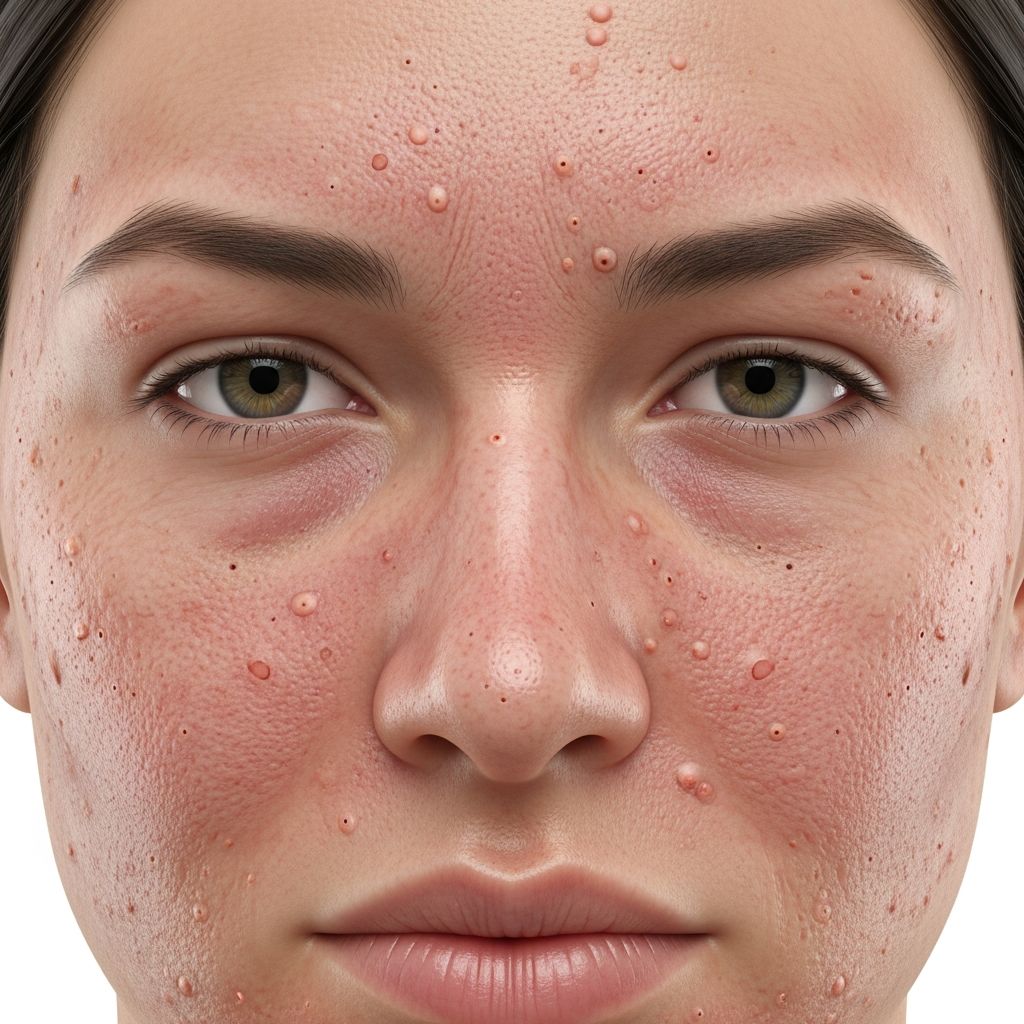
The most common symptoms include intense itching, dry and sensitive skin, red or inflamed patches, small raised bumps that may leak fluid when scratched, swelling and cracked skin, and areas of raw skin from scratching. The itching associated with facial eczema is often worse at night, which can disrupt your sleep and affect your daily functioning. Many people describe the itching as unbearable and difficult to resist scratching, which unfortunately worsens the condition.
Facial eczema symptoms can appear on various areas of your face including around the eyes, on the cheeks, nose, forehead, and chin. The condition may affect your entire face or appear as isolated patches. Some individuals experience periodic flare-ups where symptoms intensify dramatically, while others maintain a baseline level of discomfort throughout the year.
Understanding the Types of Facial Eczema
Several types of eczema can affect facial skin, and identifying which type you have helps guide appropriate treatment strategies. Different types may respond differently to various treatments, so accurate identification is important for effective management.
Atopic Dermatitis is the most common type of eczema affecting the face. This form is chronic and often begins in childhood, though it can develop at any age. Atopic dermatitis is linked to genetic factors and typically runs in families with histories of allergies or asthma.
Contact Dermatitis occurs when your face comes into contact with substances that irritate your skin or trigger an allergic reaction. Common culprits include fragranced skincare products, certain metals, dyes, cosmetics, and preservatives. Unlike atopic dermatitis, contact dermatitis develops specifically in response to an external trigger.
Related Stories



Seborrheic Dermatitis typically appears as red, oily, scaly patches, particularly in areas with higher sebaceous gland concentration. This type often affects the face, scalp, and upper chest.
Xerotic Eczema (also called asteatotic eczema) results from extremely dry skin that lacks sufficient moisture and natural oils. This type often worsens during winter months when humidity levels drop significantly.
Causes and Triggers of Facial Eczema
Facial eczema develops from a combination of genetic predisposition and environmental factors. Understanding what causes your specific eczema helps you implement effective prevention strategies.
Genetic factors play a significant role in eczema development. If one or both parents have eczema, allergies, or asthma, you have a higher likelihood of developing facial eczema. This genetic component suggests that some people’s skin barriers are inherently more prone to dysfunction.
Environmental triggers vary significantly between individuals but commonly include harsh soaps and cleansers, fragranced products, extreme temperatures, low humidity levels, stress and emotional tension, certain fabrics, chlorine, and pollutants. Weather changes, particularly transitions to cold, dry winters, frequently trigger facial eczema flare-ups.
Cosmetic and skincare products represent a major concern for people with facial eczema. Facial acids like retinol, salicylic acid, and glycolic acid are exfoliants that force skin cells to turn over quickly. While this works well for some people, it can severely irritate eczema-prone skin, making many anti-aging and acne treatments unsuitable for those with facial eczema.
Diagnosis of Facial Eczema
Healthcare providers typically diagnose facial eczema through a combination of visual examination and patient history. During your consultation, your provider will examine the affected areas, ask about symptom onset and progression, inquire about potential triggers, and discuss your family history of eczema, allergies, or asthma.
In some cases, your provider may perform allergy testing if contact dermatitis is suspected. Patch testing involves applying small amounts of common allergens to your skin to identify specific triggers causing your facial eczema.
Accurate diagnosis is important because different types of facial eczema may require different treatment approaches. Misdiagnosis can lead to ineffective treatment and prolonged suffering.
Treatment Options for Facial Eczema
Treatment for facial eczema is highly individualized and depends on your skin type, eczema severity, specific triggers, and how your skin responds to various treatments. Your healthcare provider will likely recommend a stepwise approach, starting with gentler options and escalating to stronger treatments only if needed.
Skincare and Moisturization
The foundation of facial eczema treatment involves establishing a proper skincare routine with appropriate moisturizers. Gentle, fragrance-free cleansers are essential as harsh soaps strip away natural skin oils and damage the protective barrier.
Moisturizers are critical for facial eczema management. Look for products containing ceramides, which are natural moisturizers your body produces naturally. People with eczema often have lower ceramide levels in their skin, making ceramide-rich products particularly beneficial. Apply moisturizer to damp skin immediately after cleansing to lock in moisture effectively.
Short, lukewarm showers are preferable to long, hot baths as they prevent excessive skin drying. Pat skin gently rather than rubbing, and moisturize within three minutes of bathing while skin remains slightly damp for optimal absorption.
Topical Medications
Topical corticosteroids represent the most common prescription treatment for facial eczema. These anti-inflammatory medications reduce the immune system response causing eczema flares. Corticosteroids come in various potencies, from gentle options suitable for facial use to stronger formulations for body areas with thicker skin.
For individuals requiring more frequent treatment, additional topical options include calcineurin inhibitors, PDE-4 inhibitors, and JAK inhibitors. These medications can be used more consistently than topical steroids and work well for facial eczema management. They can be combined with topical steroids for enhanced effectiveness.
Home Remedies and Self-Care
Several home remedies can complement medical treatments. Colloidal oatmeal, which contains natural vitamin E as an antioxidant, helps reduce skin itching and inflammation. Colloidal oatmeal is available in bath forms, cleansers, lotions, and creams.
Petroleum jelly serves as an excellent, affordable skin emollient that helps lock in moisture. Bleach baths, when used properly at low concentrations equivalent to chlorinated swimming pool water, help reduce itching and regulate the skin microbiome. About a quarter-cup of plain bleach diluted in a full bathtub, used two to three times weekly for approximately ten minutes, can significantly reduce symptoms.
Cool compresses applied to affected areas can provide immediate itch relief. Avoid scratching despite the intense urge, as scratching damages skin further and worsens inflammation.
Oral and Systemic Medications
When topical treatments prove insufficient, healthcare providers may recommend systemic medications. Antihistamines help relieve itching, particularly at night, improving sleep quality. Oral corticosteroids may be prescribed for severe flare-ups, though long-term use is typically avoided due to potential side effects.
JAK inhibitor pills represent newer systemic options that block cellular messages leading to inflammation. Unlike older immunosuppressant medications, JAK inhibitors target specific immune pathways associated with eczema rather than suppressing the entire immune system.
Injectable medications offer another systemic option, focusing on inflammatory components of the immune system without broadly lowering immune function. These self-injection medications are approved for children as young as six months and typically require administration only every other week.
Phototherapy
Light therapy using special UVB wavelengths delivered in a controlled booth environment can effectively decrease inflammation and keep eczema under control. This treatment option becomes relevant when individual spot treatments prove ineffective.
Moisturizer and Product Selection
Choosing appropriate moisturizers and skincare products significantly impacts facial eczema management. Product selection deserves careful consideration as the wrong products can trigger severe flare-ups.
Best Practice Recommendations:
- Select fragrance-free moisturizers specifically formulated for sensitive skin
- Look for products containing ceramides to replace depleted natural moisturizers
- Choose ointments over creams and lotions for severe dryness, as they provide superior moisture retention
- Avoid products containing common irritants like fragrances, dyes, alcohols, and strong preservatives
- Test new products on small skin areas before applying to your entire face
- Be cautious with anti-aging and acne products containing facial acids, retinoids, or other exfoliants
Facial acids and serums that exfoliate by forcing rapid skin cell turnover can irritate even non-eczema-prone skin. For individuals with facial eczema, these products frequently trigger severe flare-ups, making them generally unsuitable choices for your skincare routine.
Prevention and Flare-Up Management
While you cannot cure facial eczema, you can minimize flare-ups through consistent prevention strategies. The best approach combines identifying and avoiding your personal triggers with maintaining a diligent skincare routine.
Prevention Strategies Include:
- Maintaining consistent skin hydration through regular moisturizer application
- Using lukewarm water rather than hot water for cleansing
- Avoiding harsh soaps and cleansers that strip natural skin oils
- Identifying and eliminating personal trigger substances and products
- Managing stress through relaxation techniques, as stress frequently triggers eczema
- Protecting skin from extreme weather through appropriate clothing and protective products
- Maintaining indoor humidity levels, particularly during dry winter months
- Using a humidifier to add moisture to the air when humidity is low
Timeline for Improvement
Facial eczema improvement timelines vary based on treatment type and individual factors. With appropriate treatment, many people notice initial symptom relief within days to one week. However, complete resolution typically takes several weeks of consistent treatment adherence.
Full skin healing and barrier restoration generally requires two to four weeks of proper treatment. Individual variation is significant, with some people experiencing faster improvement while others require extended treatment periods.
It is important to maintain consistency with your treatment regimen even after symptoms improve. Stopping treatment prematurely often triggers rapid eczema recurrence. Maintenance treatment involving regular moisturization is typically necessary indefinitely to prevent flare-ups.
When to Consult a Healthcare Provider
While many cases of facial eczema respond well to home care and over-the-counter treatments, certain situations warrant professional medical evaluation. Contact your healthcare provider if:
- Your eczema significantly interferes with sleep quality or daily activities
- Signs of skin infection develop, including increased warmth, oozing, or crusty areas
- Eczema prevents you from concentrating at work or school
- Over-the-counter treatments fail to provide adequate relief after consistent use
- You experience severe itching that you cannot control through self-care measures
- Symptoms affect your emotional wellbeing or self-confidence
- You develop new symptoms or your eczema changes significantly
Before starting any new medication or treatment, discuss potential side effects, appropriate dosage, frequency of use, and possible drug interactions with your healthcare provider to ensure safe and effective treatment.
Living with Facial Eczema
Facial eczema is a chronic condition requiring ongoing management rather than a curable disease. Understanding this reality helps set appropriate expectations and develop realistic long-term strategies.
Most people successfully manage facial eczema through consistent skincare, appropriate moisturization, trigger avoidance, and prescribed treatments when necessary. Finding the right combination of treatments for your specific situation often requires some trial and error, but effective management is achievable for most individuals.
Connect with dermatologists and healthcare providers who understand facial eczema treatment options. They can help you develop personalized management strategies adapted to your skin’s unique needs and your specific triggers.
Frequently Asked Questions About Facial Eczema
Q: Will facial eczema go away permanently?
A: Facial eczema cannot be permanently cured, but with appropriate treatment and management, symptoms can completely resolve. However, eczema is chronic and can return to your face after symptoms disappear. The best prevention involves avoiding known triggers and maintaining regular moisturization to keep flares minimal.
Q: How long does it take for facial eczema to improve with treatment?
A: Most people notice initial symptom improvement within days to one week of starting appropriate treatment. Complete resolution typically takes several weeks of consistent treatment adherence. Full skin barrier restoration generally requires two to four weeks of proper skincare and medication use.
Q: Can I use regular moisturizers on facial eczema?
A: Regular moisturizers may not be appropriate for facial eczema. Choose fragrance-free moisturizers specifically formulated for sensitive or eczema-prone skin. Look for products containing ceramides and avoid those with potential irritants like fragrances, dyes, alcohols, and certain preservatives.
Q: Are facial acids and retinoids safe for eczema-prone skin?
A: Facial acids like salicylic acid, glycolic acid, and retinoids are generally not recommended for people with facial eczema. These products force rapid skin cell turnover, which frequently irritates and triggers severe eczema flare-ups. Consult your healthcare provider before using any exfoliating products.
Q: What should I do if my facial eczema doesn’t improve with treatment?
A: If your facial eczema doesn’t seem to improve or continues worsening despite treatment, schedule an appointment with your healthcare provider. They can evaluate your condition, verify the diagnosis, adjust your treatment regimen, or recommend advanced treatment options like systemic medications or phototherapy.
Q: Can stress trigger facial eczema flare-ups?
A: Yes, stress and emotional tension frequently trigger or worsen facial eczema symptoms. Managing stress through relaxation techniques, exercise, meditation, or professional counseling can help reduce flare-ups and improve overall eczema management.
Q: Is facial eczema contagious?
A: No, facial eczema is not contagious. It cannot be transmitted from one person to another through touch, sharing personal items, or any other means. Eczema results from genetic predisposition combined with environmental factors, not infectious organisms.
References
- Eczema on Face: Symptoms, Causes, Types & Treatment — Cleveland Clinic. 2024. https://my.clevelandclinic.org/health/diseases/24604-eczema-on-face
- Treatment Options for Severe Eczema — Cleveland Clinic. 2024. https://health.clevelandclinic.org/severe-eczema-treatment
- Eczema Skin Care: Products and Routines — Cleveland Clinic. 2024. https://health.clevelandclinic.org/eczema-skin-care
- The Best Home Remedies for Eczema — Cleveland Clinic. 2024. https://health.clevelandclinic.org/home-remedies-for-eczema
- Asteatotic (Xerotic) Eczema: Symptoms, Causes & Treatment — Cleveland Clinic. 2024. https://my.clevelandclinic.org/health/diseases/asteatotic-eczema
- Eczema: What It Is, Symptoms, Causes, Types & Treatment — Cleveland Clinic. 2024. https://my.clevelandclinic.org/health/diseases/9998-eczema
Similar Articles








Read full bio of medha deb