Eczema on Face: Causes, Treatment, Prevention
Understand facial eczema symptoms, treatments, and prevention strategies for clearer, healthier skin.
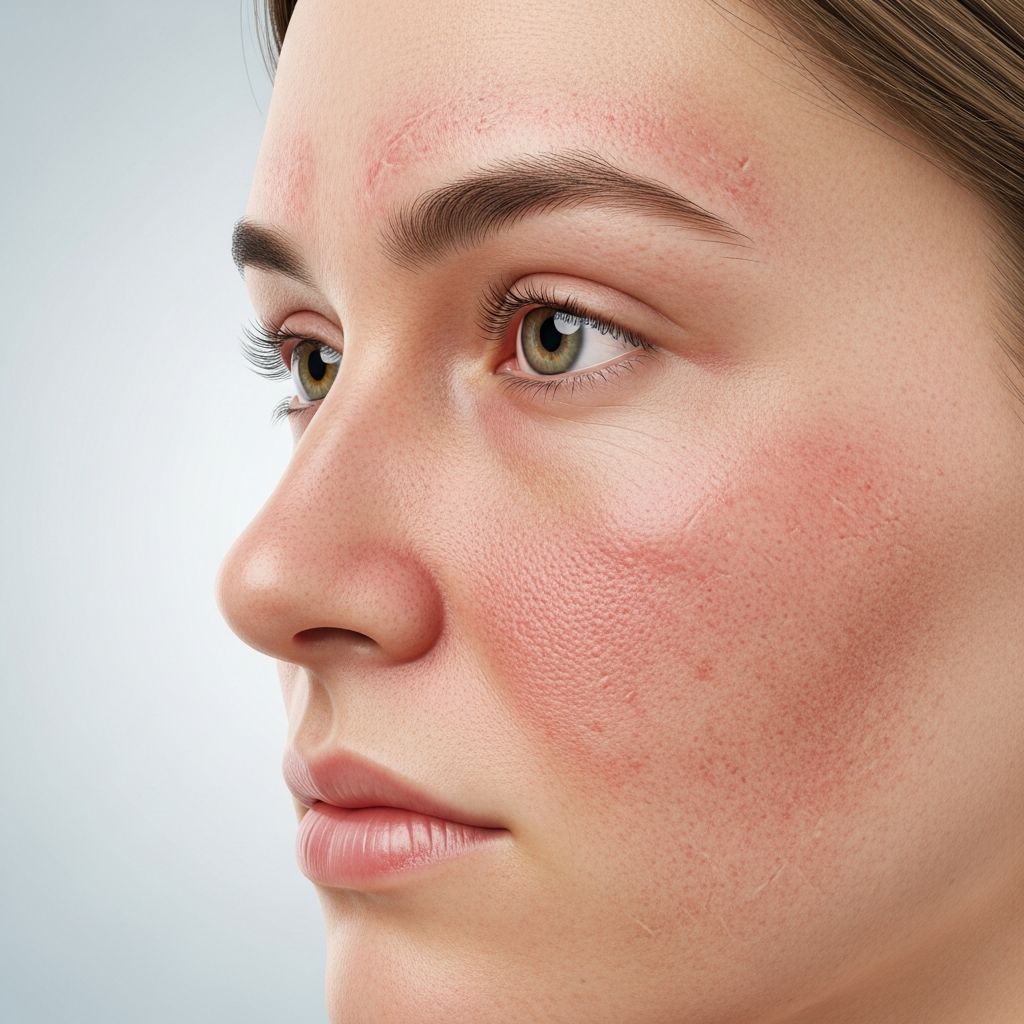
Facial eczema, a form of atopic dermatitis, affects millions worldwide, causing red, itchy, inflamed skin specifically on the face. Unlike eczema on other body parts, facial involvement is particularly distressing due to visibility and sensitivity of facial skin. This condition can impact all ages but is most common in children, often persisting into adulthood.
According to the National Center for Health Statistics, about 13% of U.S. children under 18 have eczema, with facial areas frequently affected. Adults experience it too, often triggered by environmental factors or stress. Understanding facial eczema helps manage symptoms effectively and improve quality of life.
What Causes Eczema on the Face?
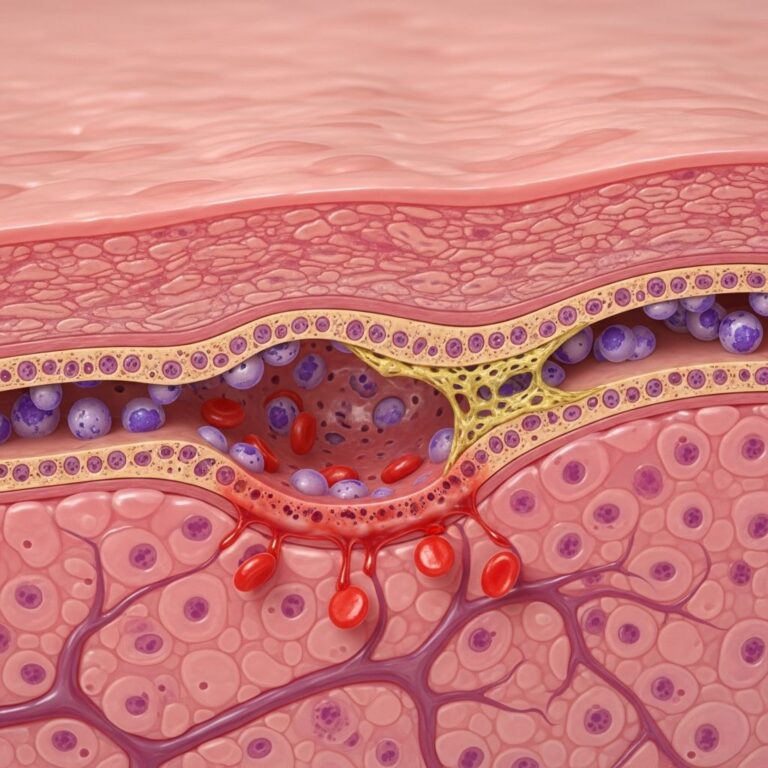
Eczema on the face results from a combination of genetic predisposition and environmental triggers. The skin barrier in eczema patients is compromised, allowing moisture loss and irritant entry. Key causes include:
- Genetics: Mutations in the filaggrin gene impair skin barrier function, making skin dry and susceptible to irritants. A 2017 study in Journal of Allergy and Clinical Immunology confirmed filaggrin defects in 20-30% of atopic dermatitis cases.
- Immune System Dysfunction: Overactive immune responses cause inflammation when encountering harmless substances.
- Environmental Triggers: Harsh weather, pollutants, and allergens exacerbate symptoms.
- Microbiome Imbalance: Reduced skin bacteria diversity contributes to flare-ups.
Common Facial Eczema Triggers
| Trigger Type | Examples | Why It Affects Face |
|---|---|---|
| Irritants | Soap, makeup, fragrances | Face exposed daily to products |
| Allergens | Pollen, dust mites, pet dander | Airborne particles settle on face |
| Weather | Cold/dry air, humidity extremes | Facial skin thinnest, most vulnerable |
| Stress | Emotional stress, anxiety | Flares via neuroimmune pathways |
| Diet | Dairy, eggs, nuts (in some) | Systemic inflammation affects skin |
Symptoms of Facial Eczema
Facial eczema presents distinct symptoms varying by severity. Common signs include:
- Itching: Intense, often worse at night, leading to scratching cycles.
- Redness: Patchy or widespread inflammation, more visible on lighter skin tones.
- Dryness: Scaly, flaky skin prone to cracking.
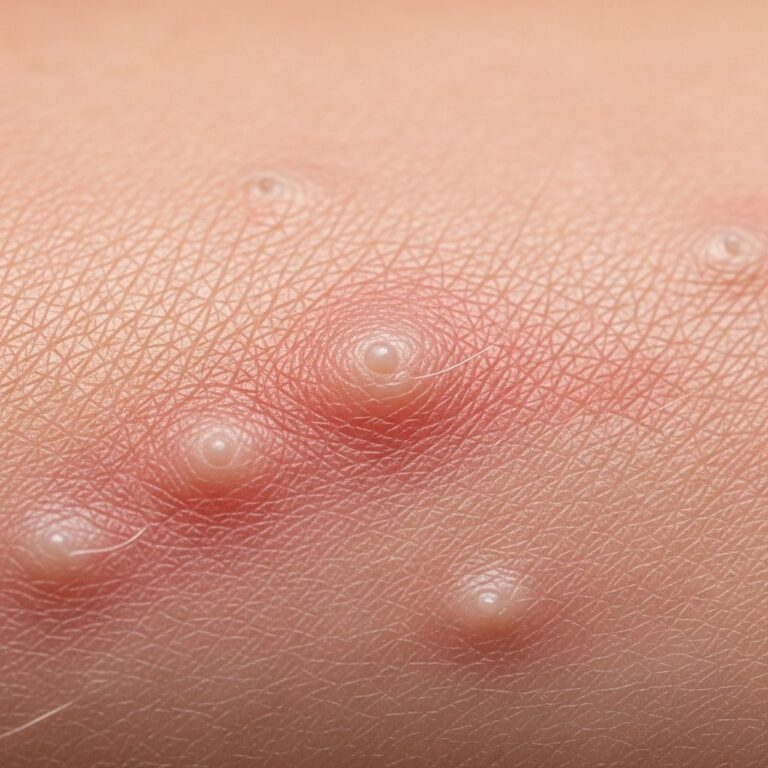
- Bumps/Oozing: Small blisters that weep clear fluid when scratched.
- Thickening: Chronic cases cause lichenification (thick, leathery skin).
On darker skin tones, eczema may appear gray, purple, or hyperpigmented rather than red, per NIAMS guidelines. Facial areas commonly affected: eyelids, lips, cheeks, forehead. Severe cases can involve swelling around eyes or mouth.
Facial Eczema vs. Other Rashes
- Vs. Rosacea: Rosacea causes flushing/papules but rarely itches intensely.
- Vs. Contact Dermatitis: Localized to contact area, resolves faster with avoidance.
- Vs. Psoriasis: Silvery scales, thicker plaques typical.
How Is Facial Eczema Diagnosed?
Dermatologists diagnose facial eczema through clinical examination and patient history. No single test exists; diagnosis relies on:
- Medical History: Family history, trigger identification, symptom timeline.
- Physical Exam: Flexural involvement, typical rash morphology.
- Patch Testing: Identifies allergens in 30-50% of cases.
- Skin Biopsy: Rarely needed to rule out other conditions.
The UK Working Party’s Diagnostic Criteria requires itchy skin plus three of: flexural rash, dry skin, personal/family atopy history, or visible flexural dermatitis.
Treatment Options for Eczema on the Face
Treatment follows a stepwise approach: identify triggers, restore barrier, control inflammation, prevent infection. Facial skin’s thinness requires gentle therapies.
Related Stories



Topical Treatments
- Moisturizers: Ceramide-based emollients applied twice daily lock in moisture. AAD recommends fragrance-free products like CeraVe, Vanicream.
- Topical Corticosteroids: Low-potency (hydrocortisone 1%) for face, used 1-2 weeks max to avoid thinning. Protopic (tacrolimus) or Elidel (pimecrolimus) as steroid-sparing options.
- Topical PDE4 Inhibitors: Crisaborole (Eucrisa) reduces itch/inflammation.
Systemic Treatments (Severe Cases)
- Phototherapy: Narrowband UVB safe for face under supervision.
- Biologics: Dupixent (dupilumab) FDA-approved for moderate-severe eczema, injected every 2-4 weeks. 2024 NEJM study showed 75% skin clearance.
- Janus Kinase Inhibitors: Oral Opzelura cream for face.
Wet Wrap Therapy
Apply moisturizer/steroid, cover with damp gauze, then dry layer. Effective for severe facial flares, used overnight under medical guidance.
Home Remedies and Lifestyle Changes
Complement medical treatment with these evidence-based strategies:
- Gentle Cleansing: Use lukewarm water, fragrance-free cleansers. Pat dry, moisturize within 3 minutes.
- Cool Compresses: Soothe itch 10-15 minutes several times daily.
- Bleach Baths: ½ cup bleach in full tub, 2-3x/week prevents Staph infections.
- Anti-Itch Strategies: Cold milk compresses, oral antihistamines (cetirizine), distraction techniques.
- Diet Modifications: Elimination diets for food triggers, probiotics may help infants.
Prevention Tips for Facial Eczema
- Daily Moisturizing: Even without flares.
- Trigger Avoidance: Hypoallergenic makeup, sunscreen, cotton clothing.
- Humidifiers: Maintain 40-60% indoor humidity.
- Stress Management: Meditation, yoga reduce flares by 30% per studies.
- Regular Dermatologist Visits: Action plans for flares.
Frequently Asked Questions (FAQs)
Can eczema on the face be cured permanently?
No, eczema is chronic but manageable. Many children outgrow it; adults achieve long remissions with proper care.
Is facial eczema contagious?
No. Eczema results from internal factors, not infection. Secondary bacterial infections can spread if untreated.
What sunscreen is safe for facial eczema?
Mineral-based (zinc oxide/titanium dioxide), fragrance-free. La Roche-Posay, EltaMD recommended by dermatologists.
Can makeup worsen facial eczema?
Yes, fragrances/preservatives irritate. Choose green-tinted products to camouflage redness, remove gently.
When should I see a doctor for facial eczema?
If OTC treatments fail after 1 week, signs of infection (pus, fever), eye involvement, or sleep interference.
References
- Most Recent National Health Interview Survey Data on Eczema — Centers for Disease Control and Prevention (CDC). 2023-12-20. https://www.cdc.gov/nchs/fastats/eczema.htm
- Atopic Dermatitis: Diagnosis and Treatment — National Institute of Arthritis and Musculoskeletal and Skin Diseases (NIAMS). 2024-05-15. https://www.niams.nih.gov/health-topics/atopic-dermatitis
- Filaggrin mutations associated with skin barrier defects — Palmer CNA et al. Journal of Allergy and Clinical Immunology. 2017-09-01. https://www.ncbi.nlm.nih.gov/pmc/articles/PMC5722012/
- Eczema Treatment Guidelines — American Academy of Dermatology (AAD). 2024-11-10. https://www.aad.org/public/diseases/eczema/treatment
- Dupilumab for Moderate-to-Severe Atopic Dermatitis — Simpson EL et al. New England Journal of Medicine. 2024-03-15. https://www.nejm.org/doi/full/10.1056/NEJMoa2312726
Similar Articles








Read full bio of Sneha Tete