Eczema On Hands And Feet: Symptoms, Triggers, Treatment Guide
Discover causes, symptoms, and proven strategies to manage eczema affecting hands and feet for lasting relief.
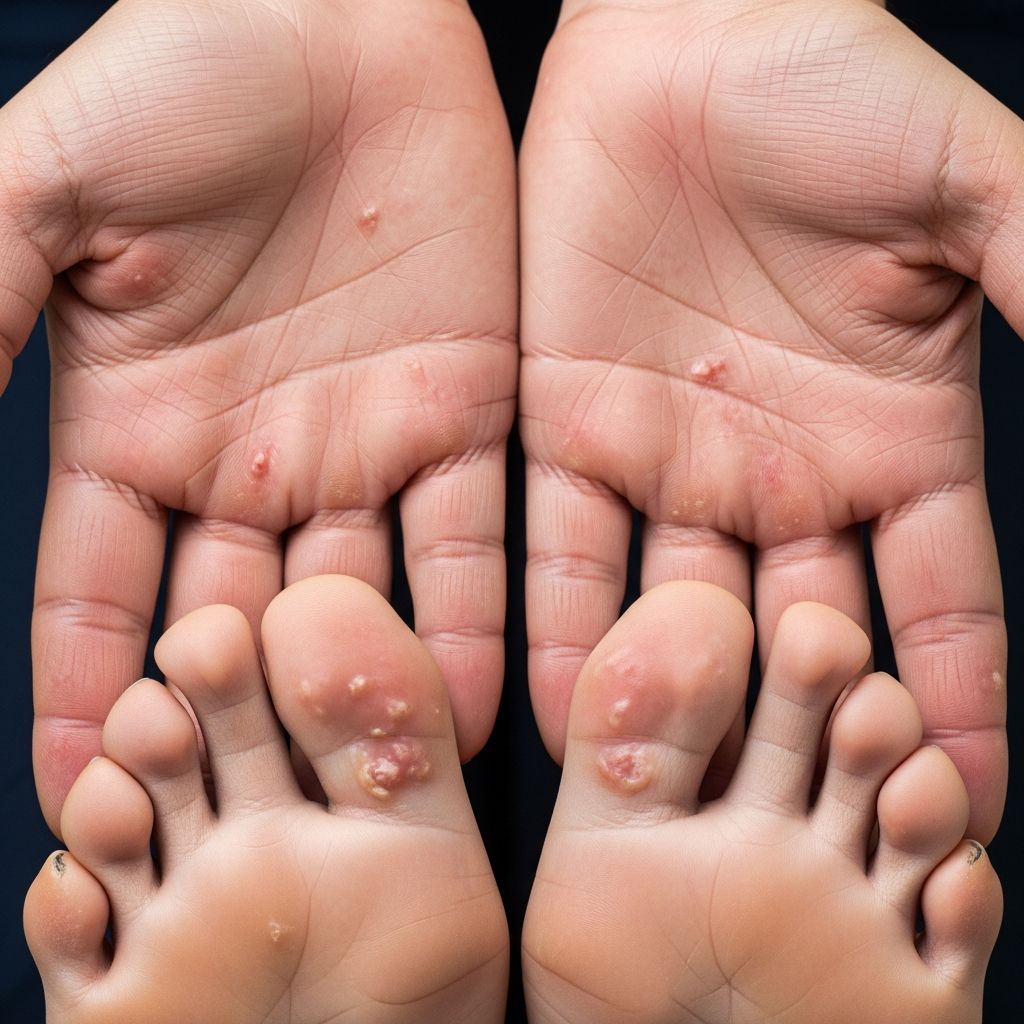
Eczema on the hands and feet manifests as a persistent skin condition characterized by intense itching, blisters, and cracking, often disrupting daily activities. This article delves into its various forms, underlying triggers, visible signs, and comprehensive management approaches drawn from medical insights.
Understanding the Condition
Hand and foot eczema, sometimes called dermatitis, targets the palms, soles, fingers, and toes due to their frequent exposure to irritants and moisture. Dyshidrotic eczema, a prevalent subtype, features small, fluid-filled vesicles that cause discomfort and may lead to secondary infections if scratched. Unlike widespread atopic dermatitis, this form localizes to extremities, making it particularly challenging for those reliant on manual tasks or footwear.
Genetic predisposition plays a role, with family history increasing susceptibility, alongside environmental factors like humidity and allergens. It affects people across ages but peaks in adults under stress or with occupational exposures.
Common Manifestations
Symptoms typically emerge suddenly, starting with a burning or prickling sensation before blisters form. Key indicators include:
- Small, deep-seated blisters on palms, finger sides, or soles that itch intensely.
- Red, inflamed patches with swelling around affected areas.
- Dry, scaly skin that peels or cracks post-blister resolution, sometimes forming painful fissures.
- Potential for weeping lesions or crusting if vesicles burst.
In severe instances, blisters enlarge, covering larger surfaces like the backs of hands or feet, though rarely extending elsewhere. Associated hyperhidrosis (excessive sweating) exacerbates symptoms, creating a cycle of irritation.
Primary Triggers and Risk Factors
While exact causes remain elusive, multiple elements contribute to flare-ups. These include:
| Trigger Category | Examples | Impact |
|---|---|---|
| Environmental | Hot/humid weather, seasonal allergies (e.g., hay fever) | Increases sweating and allergen exposure |
| Lifestyle | Stress, smoking, frequent hand washing | Provokes immune responses and barrier disruption |
| Contact-Related | Shoe dyes, nickel, detergents, athlete’s foot fungus | Direct irritation or allergic reactions |
| Medical | Certain drugs (aspirin, birth control), infections | Triggers or worsens vesicular outbreaks |
Allergic contact dermatitis often stems from footwear components like adhesives or leathers, identifiable via patch testing. Atopic variants link to broader hypersensitivity, flaring with environmental shifts. Dyshidrosis correlates with spring pollen seasons or summer sweat.
Diagnostic Approaches
Diagnosis begins with a clinical exam, noting blister patterns and history of triggers. Providers differentiate from fungal infections or psoriasis through visual cues and patient reports. Patch tests pinpoint allergens by applying suspects to the back for 48 hours, reading reactions at 72-96 hours. If fungal involvement suspected (e.g., interdigital scaling), scrapings confirm via microscopy. Biopsies are rare but useful for atypical cases.
Treatment Strategies
Management combines trigger avoidance, skin barrier repair, and anti-inflammatory therapies. Initial steps focus on soothing acute phases.
Topical Therapies
Corticosteroids form the cornerstone, with potency matched to severity—mild for early flares, potent for palms/soles due to thick skin. Apply under occlusion (wet wraps) for enhanced penetration during severe episodes. Calcineurin inhibitors like tacrolimus offer steroid-sparing options for chronic use.
Related Stories



Emollients with ceramides restore the barrier; apply frequently, especially post-washing. Antifungals treat coexisting tinea pedis, resolving associated dyshidrosis.
Advanced Interventions
- Phototherapy: Narrow-band UVB or PUVA (psoralen + UVA) via hand/foot units, 2-3 sessions weekly for 12-16 weeks.
- Systemic Options: Oral steroids or immunosuppressants for refractory cases; antihistamines ease pruritus.
- Sweat Control: Antiperspirants or botox injections reduce hyperhidrosis.
Daily Care Routines
Prevent recurrence through consistent habits:
- Gently cleanse with fragrance-free soaps, pat dry, and moisturize immediately.
- Wear cotton-lined gloves for chores; use barrier creams pre-exposure.
- Opt for breathable footwear/socks; alternate shoes to allow drying.
- Manage stress via mindfulness; quit smoking to lessen flares.
- Layer gloves in showers to shield from shampoos.
Track triggers in a journal to refine avoidance.
Living with Chronic Eczema
This condition waxes and wanes, demanding patience. Occupational adjustments, like gloves for wet work, prove vital for workers. Support groups foster coping strategies. Consult dermatologists for personalized plans, as responses vary.
Children may need milder steroids; monitor growth with prolonged use. Pregnancy requires safe alternatives reviewed by providers.
FAQs
What distinguishes dyshidrotic eczema from other types?
It uniquely causes tapioca-like vesicles on extremities, unlike broader atopic patches.
Can hand/foot eczema spread?
No, it remains localized unless infected.
How long do flares last?
Typically 2-3 weeks with treatment; untreated, longer.
Is it contagious?
No, it’s not infectious.
When to seek urgent care?
For signs of infection (pus, fever) or unresponsive pain.
Empower yourself with knowledge and proactive care to minimize disruptions from hand and foot eczema.
References
- Dyshidrotic Eczema (Dyshidrosis): Causes, Treatment, Location — Cleveland Clinic. 2023-10-12. https://my.clevelandclinic.org/health/diseases/17728-dyshidrotic-eczema
- Eczema on the feet — Pierre Fabre Eczema Foundation. 2024-05-15. https://www.pierrefabreeczemafoundation.org/en/understanding/areas-affected-by-eczema/feet
- Dyshidrotic Eczema: Symptoms, Causes, Treatment — National Eczema Association. 2024-02-20. https://nationaleczema.org/types-of-eczema/dyshidrotic-eczema/
- Hand Eczema: Causes, Symptoms and Treatment Options — National Eczema Association. 2024-01-10. https://nationaleczema.org/types-of-eczema/hand-eczema/
- Hand and Foot Dermatitis – Dermatologic Disorders — Merck Manuals Professional Edition. 2025-08-01. https://www.merckmanuals.com/professional/dermatologic-disorders/dermatitis/hand-and-foot-dermatitis
- Hand eczema — National Eczema Society. 2024-11-05. https://eczema.org/information-and-advice/types-of-eczema/hand-eczema/
Similar Articles








Read full bio of medha deb