Eczema On Hands: Causes, Symptoms, And Treatments Guide
Understand hand eczema causes, symptoms, treatments, and prevention strategies for healthier skin.
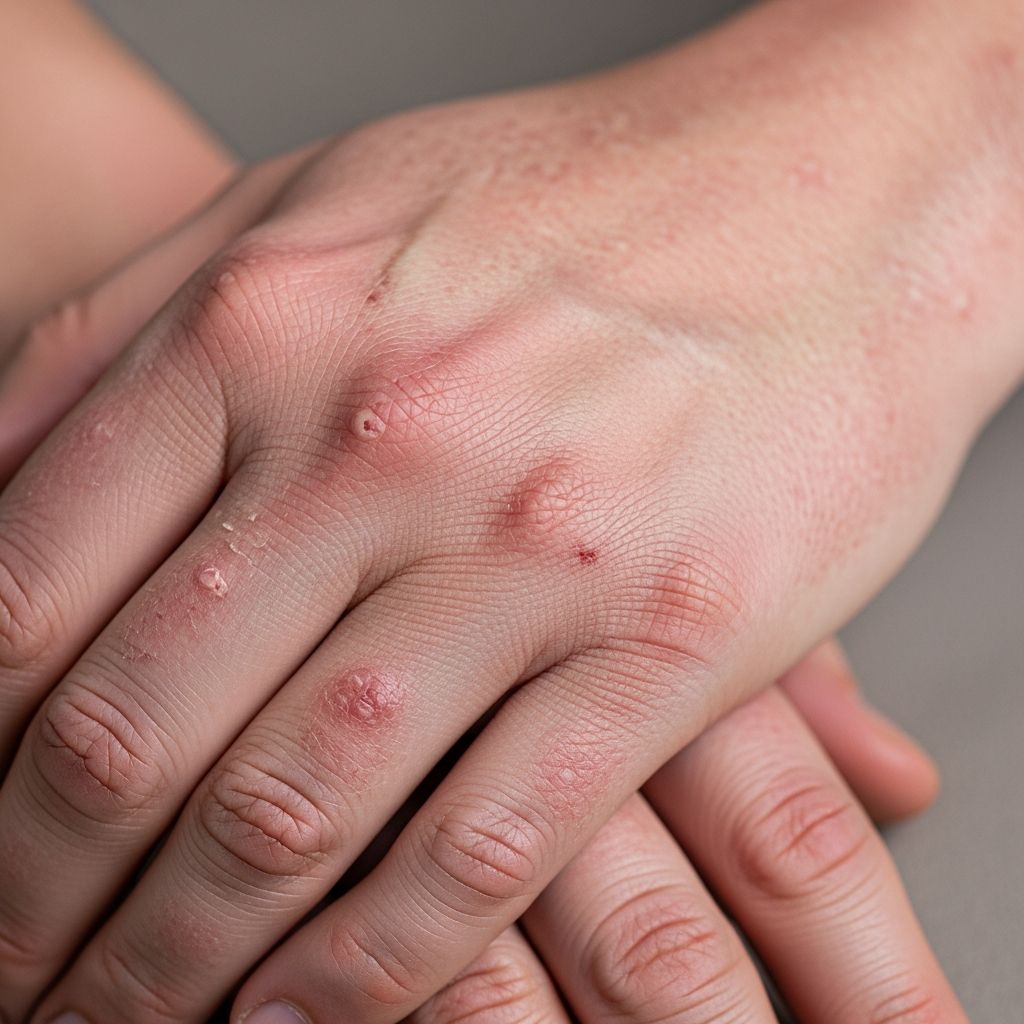
Hand eczema, also known as hand dermatitis, is a prevalent skin condition impacting the hands’ skin barrier, leading to discomfort and functional challenges. Affecting around 10% of the U.S. population, it arises from genetic factors, allergens, and irritants, particularly in high-risk occupations like cleaning, healthcare, and mechanics.
What Is Hand Eczema?
Hand eczema is a non-contagious inflammatory skin disorder characterized by dry, itchy, and inflamed skin on the palms, fingers, and backs of hands. Chronic hand eczema (CHE) is defined as dermatitis persisting over 3 months or recurring at least twice yearly, often multifactorial with genetic predispositions, environmental exposures, and immune dysregulation involving Th1/Th2 responses. It weakens the skin barrier, increases transepidermal water loss (TEWL), and heightens sensitivity to triggers like irritants and allergens.
Common in women and those with atopic backgrounds, hand eczema can mimic psoriasis, allergies, or infections, necessitating professional diagnosis via patch testing or clinical evaluation.
Symptoms of Hand Eczema
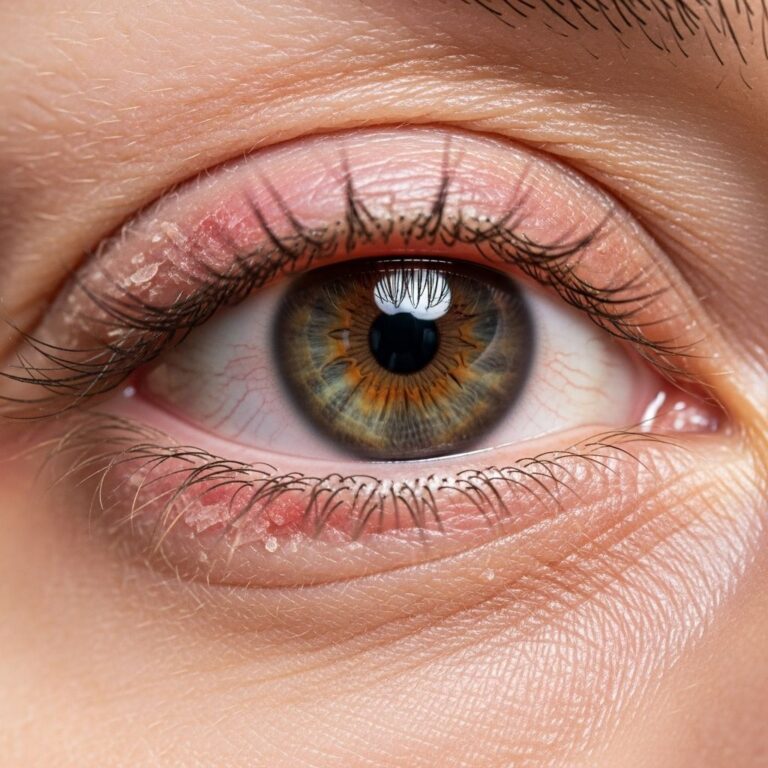
Symptoms typically include intense itching, redness, dryness, and scaling, progressing to cracking, blistering, or crusting if untreated. Dyshidrotic eczema, a subtype, features small, deep-seated itchy blisters on palms and sides of fingers, more common in women.
- Redness and inflammation on palms, fingers, or backs of hands.
- Itching and burning, worsening at night or with exposure.
- Dry, scaly, or peeling skin, leading to fissures.
- Blisters or vesicles in dyshidrotic forms, filled with clear fluid.
- Thickening or lichenification in chronic cases from repeated scratching.
CHE impacts quality of life profoundly, especially work productivity, with histological features like spongiosis, parakeratosis, and lymphocyte infiltrates. Palms and interdigital spaces are primary sites, with poorer prognosis for extensive involvement.
Causes and Risk Factors
Hand eczema results from an interplay of endogenous and exogenous factors. Key triggers include:
- Irritant contact dermatitis (ICD): Frequent exposure to water, soaps, detergents, solvents in wet-work jobs.
- Allergic contact dermatitis (ACD): Reactions to nickel, fragrances, preservatives via patch-tested allergens.
- Atopic dermatitis: Genetic predisposition with filaggrin mutations impairing barrier function.
- Occupational hazards: High in healthcare (gloves, disinfectants), hairdressing (dyes), catering (foods, cleaners).
- Other: Stress, low humidity, infections exacerbating flares.
Etiological subtypes per European guidelines: ICD, ACD, atopic hand eczema (AHE), and contact urticaria. Clinical subtypes vary: hyperkeratotic (palmar thickening), nummular (coin-shaped), recurrent vesicular.
Diagnosis
Diagnosis relies on history, clinical exam, and exclusion of mimics like fungal infections or psoriasis. Patch testing identifies allergens; biopsy shows spongiosis in eczema vs. other patterns. Tools like Hand Eczema Severity Index (HECSI) quantify severity for treatment monitoring. Consult a dermatologist for accurate subtype classification guiding therapy.
Treatment Options for Hand Eczema
Treatment escalates from avoidance and topicals to systemic therapies for refractory CHE. First-line: trigger avoidance and barrier repair.
Topical Treatments
- Emollients: Ointments/creams with high oil content (petrolatum-based) applied frequently, especially post-washing. NEA Seal of Acceptance products recommended.
- Corticosteroids: Potent topicals (clobetasol) for flares, tapered to avoid relapse. Super-potent for 2 weeks initially.
- Calcineurin inhibitors: Tacrolimus/pimecrolimus for steroid-sparing.
- Barrier creams: Silicone-based to protect against irritants.
Related Stories



Systemic Treatments
For severe CHE:
- Phototherapy: Narrowband UVB effective for widespread cases.
- Retinoids: Alitretinoin for hyperkeratotic subtypes.
- Immunosuppressants: Cyclosporine, methotrexate short-term.
- Biologics/JAK inhibitors: Emerging; delgocitinib cream reduced HECSI scores significantly vs. placebo at 8 weeks, with ongoing improvement. Apremilast showed better IGA/PGA improvements and fewer flares.
| Treatment Type | Examples | Use Case | Efficacy Notes |
|---|---|---|---|
| Topical | Emollients, Steroids | Mild-moderate | Daily use; cornerstone therapy |
| Systemic | Alitretinoin, JAKi | Severe CHE | HECSI reduction; long-term potential |
| Phototherapy | UVB | Refractory | Good for palms |
Hand Eczema Prevention and Daily Management
At Home
- Wash with lukewarm water and fragrance-free cleansers; pat dry, moisturize immediately.
- Use waterless cleansing (cleanser sans water) if possible; avoid alcohol-based sanitizers.
- Moisturize multiple times daily; ointments over lotions.
- Wear cotton-lined gloves for chores involving irritants.
At Work
- Identify/avoid triggers via patch testing.
- Use heavy-duty vinyl/neoprene gloves with cotton liners; launder liners regularly.
- Carry personal cleanser, moisturizer; keep workspaces clean.
- Treat cuts promptly with bandages.
Consistency is key; flares may take months to resolve. Maintain regimen even post-clearance to prevent recurrence.
When to See a Doctor
Seek care if symptoms persist >2 weeks despite home care, spread, show signs of infection (pus, fever), or interfere with daily activities. Urgent for widespread blisters or pain limiting hand use.
Frequently Asked Questions (FAQs)
What does hand eczema look like?
Red, itchy, dry skin with cracking, scaling, or blisters on palms/fingers; dyshidrotic type shows small vesicles.
Is hand eczema contagious?
No, it’s not infectious; caused by internal/external triggers, not spread person-to-person.
How long does a hand eczema flare last?
Varies; acute 1-2 weeks, chronic months without management. Consistent care speeds resolution.
Can hand eczema be cured?
Not always cured, but manageable with avoidance and treatment; many achieve long-term control.
Are there new treatments for severe hand eczema?
Yes, JAK inhibitors like delgocitinib and biologics show promising HECSI reductions in trials.
References
- Hand Eczema: Causes, Symptoms and Treatment Options — National Eczema Association. 2023. https://nationaleczema.org/types-of-eczema/hand-eczema/
- Chronic Hand Eczema (CHE): A Narrative Review — PMC – NIH. 2024. https://pmc.ncbi.nlm.nih.gov/articles/PMC11971080/
Similar Articles








Read full bio of Sneha Tete