Eczema on Lips: Guide to Symptoms and Care
Discover effective strategies to manage and prevent eczema flare-ups on your lips for lasting comfort and healthier skin.
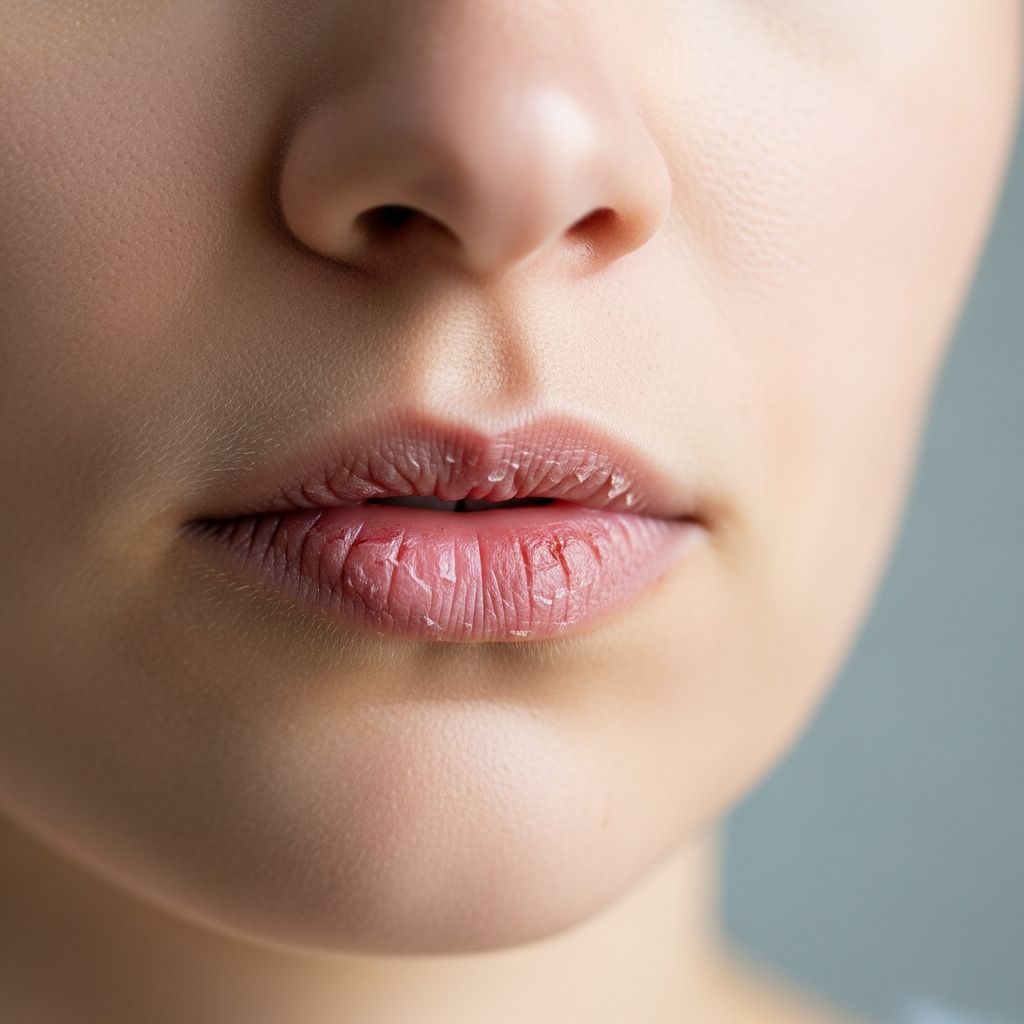
Lip eczema, a form of dermatitis affecting the delicate skin of the lips, leads to discomfort through redness, dryness, and cracking. This condition often stems from irritants, allergies, or underlying skin sensitivities, requiring targeted care to restore balance and prevent recurrence.
Understanding the Nature of Lip Eczema
The lips possess thinner skin than most body areas, lacking robust oil glands for natural protection, making them vulnerable to environmental stressors and daily habits. Eczema here disrupts the skin barrier, prompting inflammation that manifests visibly and feels intensely uncomfortable. Unlike general body eczema, lip involvement demands specific attention due to proximity to the mouth and frequent exposure to products and foods.
Three primary types characterize this condition: irritant contact cheilitis from direct external damage, allergic contact cheilitis triggered by immune responses to substances, and atopic cheilitis in those with broader eczema histories. Each type shares overlapping features but differs in origins, guiding distinct management approaches.
Common Signs and Symptoms
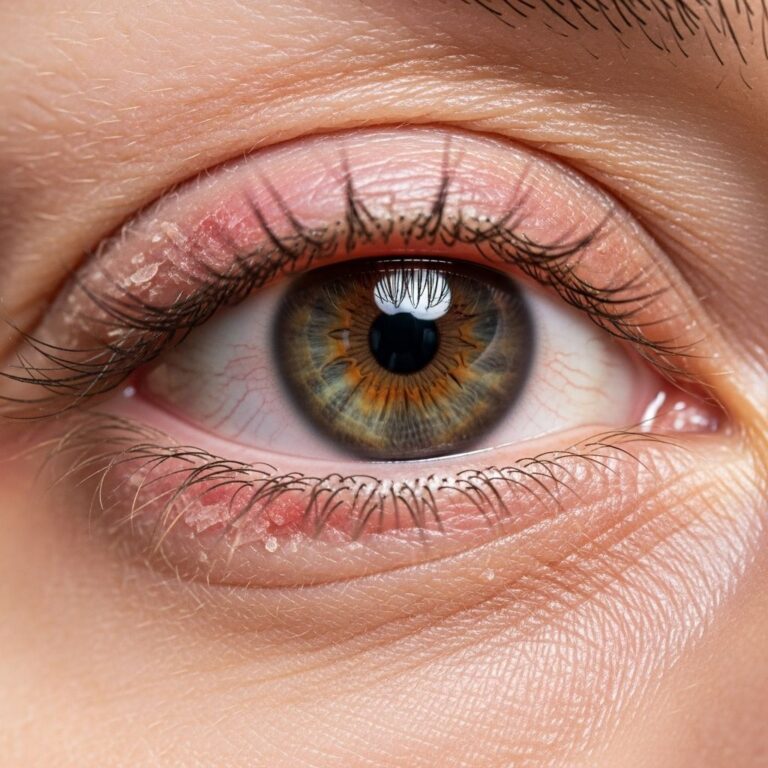
Recognizing lip eczema early aids in swift intervention. Key indicators include persistent dryness leading to flaking, redness extending to surrounding skin, itching that urges touching or licking, and cracking that may bleed or sting. In severe cases, swelling, burning sensations, or blistering occur, complicating eating, speaking, or smiling.
- Dryness and flaking: Lips appear chapped beyond typical weather effects.
- Redness and inflammation: Affects lips and perioral area.
- Itching and pain: Intense urges to scratch worsen the cycle.
- Cracking and scaling: Skin splits, risking infection.
- Burning or tenderness: Heightened sensitivity to temperature or touch.
Symptoms fluctuate with flare-ups, often worsening in dry climates or during stress, mimicking other issues like angular cheilitis or infections, underscoring the need for professional evaluation.
Primary Causes and Triggers
Lip eczema arises from a mix of genetic predispositions and external provocations. Atopic individuals face higher risks, as their skin barrier functions poorly, allowing irritants easy access. Environmental factors amplify this vulnerability.
| Trigger Category | Examples | Impact |
|---|---|---|
| Chemicals in Products | Lip balms with castor oil, fragrances, shellac; toothpastes, mouthwashes | Direct irritation or allergy sparking inflammation |
| Habits | Lip licking, rubbing | Saliva enzymes erode barrier, perpetuating dryness |
| Environmental | Cold/dry air, wind, sun exposure, pollen | Exacerbates moisture loss and sensitivity |
| Allergens | Foods (nuts, citrus), metals in dental work | Immune reaction causing swelling and rash |
| Lifestyle | Stress, smoking, infections | Weakens immunity, prolonging flares |
Factors like family history of allergies or occupations involving chemicals heighten susceptibility. Even without prior eczema, repeated exposure to these elements can initiate the condition.
Risk Factors to Watch For
Certain profiles face elevated chances. Those with atopic dermatitis history often see lip involvement during systemic flares. Children frequently develop ‘lip licker’s dermatitis’ from habitual saliva contact. Seasonal changes, new cosmetics, or dietary shifts commonly precipitate episodes in susceptible adults.
- Genetic background of eczema or atopy.
- Frequent use of potentially irritating oral products.
- Residing in arid or extreme weather regions.
- High-stress periods or immune-compromising illnesses.
Diagnosis Process Explained
Healthcare providers diagnose via visual inspection and patient history. Patch testing identifies allergens by applying suspects to skin under observation. Biopsies are rare, reserved for ambiguous cases. Differentiating from infections or nutritional deficiencies ensures accurate treatment.
Treatment Strategies for Relief
Managing lip eczema combines avoidance, hydration, and medical interventions. Start with eliminating triggers through product swaps and habit changes. Consistent moisturizing forms the cornerstone.
Topical Remedies
Fragrance-free, hypoallergenic balms with petrolatum or ceramides seal moisture. Low-potency corticosteroids like hydrocortisone reduce inflammation short-term, applied sparingly to avoid thinning. Calcineurin inhibitors offer steroid alternatives for sensitive areas.
Related Stories



Oral Options
Antihistamines curb itching from allergic components, while severe cases may warrant systemic steroids or immunosuppressants under supervision.
Home Care Practices
- Apply balm frequently, especially post-eating or washing.
- Use humidifiers in dry indoors.
- Opt for lukewarm water rinses over hot showers.
- Incorporate gentle exfoliation only after calming acute phases.
Natural aids like aloe vera or shea butter soothe mildly but lack robust evidence for standalone use.
Prevention Tips for Long-Term Control
Proactive steps minimize flares. Select plain, tested lip products; patch-test newcomers. Resist licking by sipping water instead. Protective measures like scarves in wind or SPF balms shield from elements. Stress management via mindfulness supports skin health.
Track patterns in a journal to pinpoint personal triggers, refining routines accordingly.
When to Consult a Specialist
Seek care if symptoms persist beyond two weeks despite home efforts, spread widely, or include pus/fever indicating infection. Dermatologists provide tailored plans, possibly advanced therapies for refractory cases.
Living with Lip Eczema: Daily Adjustments
Adaptations enhance quality of life. Choose matte, hypoallergenic makeup; maintain oral hygiene with sensitive formulas. Diet tweaks avoiding known allergens help. Support groups offer shared insights.
Frequently Asked Questions (FAQs)
Can eczema on lips be permanent?
No, with proper management, most achieve control, though flares recur without prevention.
Is lip licking harmful for eczema?
Yes, saliva irritates, worsening dryness—break the habit early.
Are there safe lip products for eczema-prone lips?
Fragrance-free options with petrolatum or beeswax work best; consult labels.
Does weather affect lip eczema?
Absolutely—dry, cold conditions dehydrate, prompting extra protection.
Can food allergies cause lip eczema?
Yes, contact allergens like citrus or nuts trigger reactions.
Advanced Management for Persistent Cases
For chronic sufferers, phototherapy or biologics target underlying inflammation. Allergy immunotherapy may desensitize over time. Regular dermatologist follow-ups monitor progress.
References
- Eczema on the lips: Types, symptoms, triggers, and treatment — Medical News Today. 2023-10-15. https://www.medicalnewstoday.com/articles/323502
- Managing Eczema on Lips: Causes & Treatments — Clinikally. 2024-05-20. https://www.clinikally.com/blogs/news/managing-eczema-on-lips
- Lip Eczema: Causes and Treatments — GoodRx. 2024-08-12. https://www.goodrx.com/conditions/eczema/eczema-on-lips
- Eczema on Lips: Causes, Symptoms, and Treatment Options — HealthCentral. 2023-11-05. https://www.healthcentral.com/condition/eczema/eczema-on-lips
- Eczema on Lips: Causes, Symptoms, Treatment, and More — Healthline. 2024-02-28. https://www.healthline.com/health/eczema-on-lips
- Understanding Lip and Mouth Eczema — Eczema Clothing. 2023-07-10. https://eczemaclothing.com/blogs/severe-skin-conditions-and-treatments/understanding-lip-and-mouth-eczema
Similar Articles








Read full bio of medha deb