Eczema on Scalp: Causes, Symptoms, Treatment
Discover causes, symptoms, and effective treatments for scalp eczema to relieve itching and flaking.
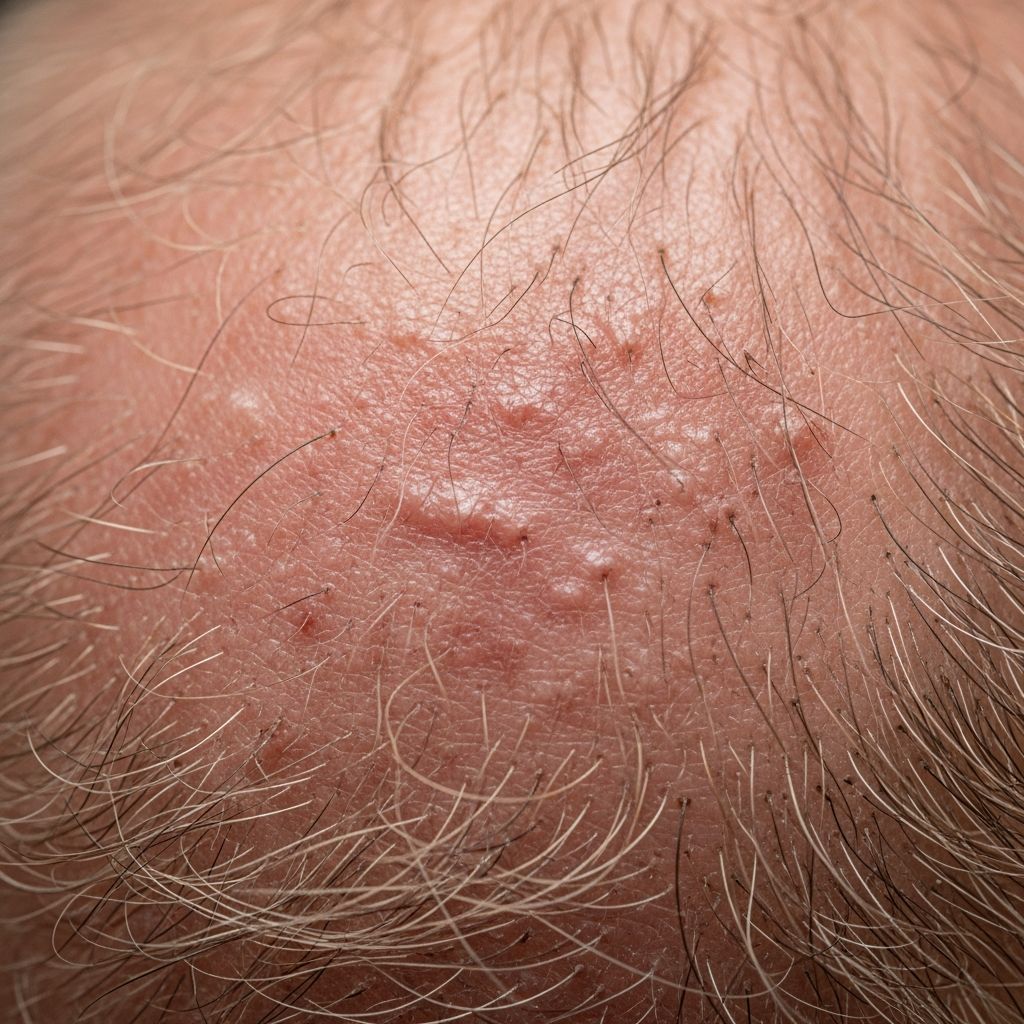
Scalp eczema, a form of atopic dermatitis, manifests as itchy, inflamed skin on the scalp, often mistaken for dandruff or psoriasis. It affects millions, disrupting daily life with persistent flaking and discomfort.
What Is Scalp Eczema?
Scalp eczema is a chronic inflammatory skin condition where the skin barrier weakens, leading to dryness, irritation, and intense itching. Unlike simple dandruff, it involves red, inflamed patches that can spread beyond the scalp. The National Eczema Association notes it impacts over 31 million Americans, often starting in childhood but persisting into adulthood.
Key characteristics include:
- Red, inflamed skin
- White or yellow flakes
- Severe itching, worsened at night
- Possible oozing or crusting in severe cases
Symptoms of Scalp Eczema
Symptoms typically include persistent itching that leads to scratching, causing more irritation and potential hair loss from inflammation. Flakes appear as white scales, and the scalp may feel tight or burning. In babies, it resembles cradle cap with thick, greasy scales.
Common signs:
- Itchy scalp, especially noticeable during hair styling
- Dry, scaly patches that spread to ears, neck, or forehead
- Redness and swelling around hair follicles
- Temporary hair shedding due to inflammation
Symptoms flare with triggers like stress or weather changes, cycling through periods of remission and worsening.
Scalp Eczema vs. Scalp Psoriasis: How to Tell the Difference
Scalp eczema and psoriasis share symptoms like flaking and itching but differ in appearance and cause. Psoriasis features thicker, well-defined white scales and red plaques, often extending to elbows and knees. Eczema has thinner, less defined scales with more intense itch.
| Feature | Scalp Eczema | Scalp Psoriasis |
|---|---|---|
| Scales | Thin, white/yellow, poorly defined | Thick, silvery-white, well-defined |
| Itch Level | Severe, intense | Mild to moderate, sometimes burning |
| Patches | Diffuse, irregular | Sharp borders, plaques elsewhere |
| Hair Loss | Temporary from scratching | From thick plaques |
Psoriasis is autoimmune, causing rapid cell turnover, while eczema stems from a weakened skin barrier.
Causes of Scalp Eczema
Eczema arises from genetic predisposition and environmental factors. A mutated filaggrin gene impairs the skin barrier, allowing irritants like shampoos, allergens, or microbes to penetrate. Family history of eczema, asthma, or allergies increases risk.
Triggers include:
- Dry air and cold weather
- Harsh hair products with sulfates or fragrances
- Stress and hormonal changes
- Yeast overgrowth like Malassezia
- Food allergens in sensitive individuals
The Cleveland Clinic emphasizes that while genetics load the gun, environment pulls the trigger.
Risk Factors
Anyone can develop scalp eczema, but risks are higher for:
- Those with family history of atopic conditions
- Infants (cradle cap)
- People with allergies or hay fever
- Individuals in dry climates
Women may experience flares during menstrual cycles or pregnancy due to hormones.
How Is Scalp Eczema Diagnosed?
Diagnosis starts with a dermatologist’s visual exam, assessing scale thickness, borders, and itch intensity. History of symptoms, family allergies, and plaque locations help differentiate from psoriasis. If unclear, a skin biopsy examines cells under a microscope.
No single test confirms eczema; it’s clinical, per the American Academy of Dermatology.
Related Stories



Treatments for Scalp Eczema
Treatment focuses on reducing inflammation, relieving itch, and restoring the barrier. Start with over-the-counter options, escalating to prescriptions.
Medicated Shampoos:
- Coal tar: Reduces scaling and itch
- Salicylic acid: Loosens flakes
- Ketoconazole: Targets yeast
Topical Steroids: Corticosteroids like hydrocortisone or clobetasol in foam or solution calm inflammation. Apply sparingly to avoid thinning.
Other Topicals: Calcineurin inhibitors (tacrolimus) for steroid-sparing; PDE4 inhibitors like crisaborole for mild cases.
Advanced Treatments
For stubborn cases:
- Phototherapy: UV light via combs penetrates hair
- Biologics: Dupilumab (Dupixent) injections target IL-4/13 for severe atopic dermatitis, even scalp-only
- Systemics: Oral JAK inhibitors like abrocitinib
Home Remedies and Lifestyle Tips
Moisturize daily with fragrance-free emollients like ceramide lotions. Use gentle, sulfate-free shampoos. Avoid hot water washes; pat dry gently. Wet wrap therapy locks in moisture post-application.
- Humidify air in dry seasons
- Manage stress with meditation
- Wear breathable hats
- Diet: Omega-3s may help inflammation
National Eczema Association recommends bleach baths (1/2 cup in tub) weekly to reduce bacteria.
Prevention Strategies
Prevent flares by identifying triggers via journaling. Consistent moisturizing strengthens the barrier. Choose hypoallergenic products; patch-test new ones. Stay hydrated and avoid scratching with cool compresses.
When to See a Doctor
Seek care if OTC fails after 2 weeks, infection signs (pus, fever), widespread rash, or sleep disruption from itch. Early intervention prevents complications like secondary infections.
Frequently Asked Questions (FAQs)
Is scalp eczema the same as dandruff?
No, dandruff is milder flaking from seborrheic dermatitis; eczema involves inflammation and severe itch.
Can scalp eczema cause hair loss?
Yes, temporarily from scratching or inflammation, but it regrows with treatment.
Is scalp eczema contagious?
No, it’s not infectious; it’s genetic/environmental.
How long does a scalp eczema flare last?
Varies from days to months; consistent treatment shortens duration.
Are there natural remedies for scalp eczema?
Coconut oil, aloe vera soothe mildly, but consult a doctor for efficacy.
Can children get scalp eczema?
Yes, often as cradle cap in infants, treatable with gentle care.
References
- Scalp Eczema vs. Scalp Psoriasis: How to Tell the Difference — HealthCentral (citing National Eczema Association, Cleveland Clinic, AAD, National Psoriasis Foundation). 2023. https://www.healthcentral.com/condition/psoriasis/scalp-eczema-vs-scalp-psoriasis
- Atopic Dermatitis Clinical Guideline — American Academy of Dermatology. 2024. https://www.aad.org/member/clinical-quality/guidelines/atopic-dermatitis
- Eczema (Atopic Dermatitis) — National Institute of Arthritis and Musculoskeletal and Skin Diseases (NIAMS), NIH. 2023-01-10. https://www.niams.nih.gov/health-topics/eczema
- Scalp Involvement in Atopic Dermatitis — Journal of the American Academy of Dermatology (PubMed). 2024. https://pubmed.ncbi.nlm.nih.gov/38219999/
- National Eczema Association: Scalp Eczema — National Eczema Association. 2025. https://nationaleczema.org/eczema/types-of-eczema/scalp-eczema/
Similar Articles








Read full bio of Sneha Tete