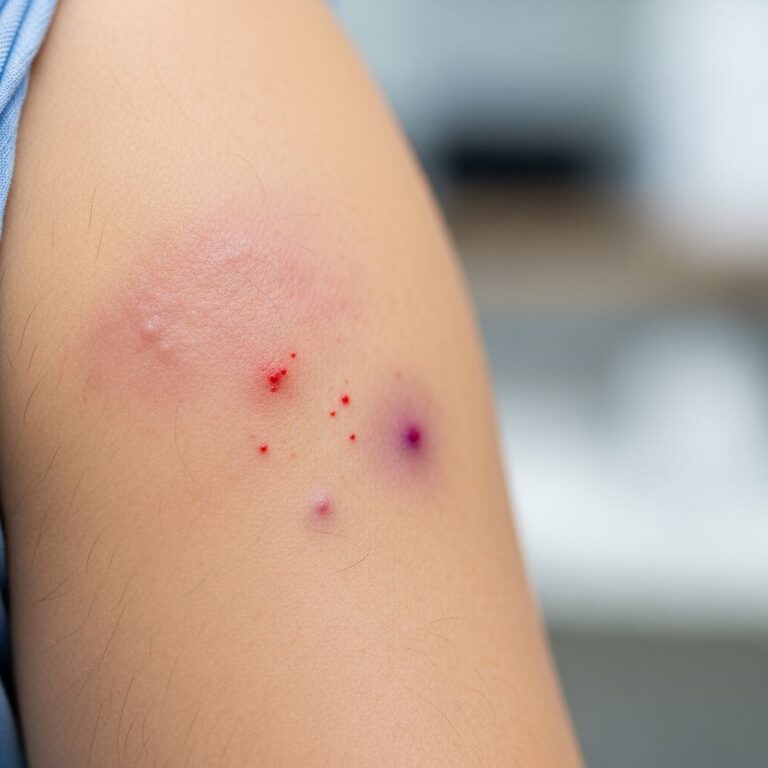
Eczema Readiness Plan: A Step-By-Step Checklist
Master the essentials of proactive eczema management and flare prevention
Living with eczema requires more than simply treating symptoms as they arise. True eczema management involves developing a comprehensive preparation strategy that addresses daily skincare, identifies personal triggers, maintains necessary supplies, and establishes protocols for managing flares when they occur. This proactive approach transforms eczema from a reactive crisis into a manageable condition with predictable outcomes.
Understanding Eczema Preparedness
Preparedness for eczema means having the knowledge, resources, and systems in place to maintain healthy skin and respond effectively when challenges arise. It encompasses understanding your condition’s unique characteristics, recognizing what factors worsen your symptoms, maintaining consistent routines, and knowing when to seek professional guidance. People who approach eczema with intentional preparation experience fewer severe flares, reduced itch-scratch cycles, and improved overall quality of life.
The foundation of eczema preparedness rests on recognizing that this is a chronic condition requiring long-term management rather than a temporary problem waiting for a cure. This mindset shift helps individuals commit to preventive measures even during periods of clear skin, which is when prevention is most effective.
Establishing a Daily Skincare Foundation
The cornerstone of eczema preparation involves establishing and maintaining a consistent daily skincare routine. Unlike occasional skincare habits, eczema management requires dedication to specific practices regardless of current skin condition.
Cleansing Protocols
Proper cleansing removes accumulated sweat, environmental irritants, and bacteria while minimizing damage to the skin barrier. Bathe or shower daily in lukewarm water for 5-15 minutes, avoiding excessively hot water which strips natural oils from the skin. Use gentle, fragrance-free cleansers rather than traditional soaps, which are alkaline and disrupt the skin’s pH balance.
During cleansing, avoid scrubbing with washcloths or loofahs that can irritate sensitive skin. Instead, use your hands or a soft sponge with minimal friction. Pat skin gently dry with a towel, intentionally leaving the skin slightly damp to prepare for immediate moisturization.
Moisturization Strategy
Consistent, generous moisturization forms the bedrock of effective eczema management. Apply moisturizer at minimum twice daily, and three to four times daily when possible. The timing of moisturization is critical—apply within three minutes of bathing while skin retains moisture, creating an optimal window for product absorption.
Ointments and thick creams represent the preferred moisturizer categories for eczema, as their higher oil content creates superior moisture barriers compared to lotions. Soften moisturizer between your hands before applying with gentle palm pressure rather than rubbing motions. If the product feels tacky after application, resist the urge to remove excess—it will absorb within minutes while providing continued protection.
For individuals sensitive to occlusive products, skin barrier repair creams containing ceramides and lipids offer an alternative that rebuilds the skin’s natural protective structure while improving resistance to irritants and reducing dryness, burning, and itching sensations.
Strategic Trigger Identification and Avoidance
Related Stories



Eczema preparedness requires understanding which specific factors provoke your individual flares. While some triggers are nearly universal, others vary significantly between individuals, making personalized identification essential.
Common Environmental Triggers
- Temperature extremes and low humidity environments that dry skin rapidly
- Fragranced products including perfumes, scented lotions, and fragrant detergents
- Rough or synthetic fabrics that physically irritate sensitive skin
- Dyes and chemical additives in personal care products
- Harsh soaps and cleansers with alkaline compositions
- Excessive handwashing without immediate moisturization
Building a Personal Trigger Log
Develop a simple system for documenting which situations, products, or exposures consistently precede your flares. Track factors including new products introduced, laundry detergent changes, seasonal shifts, stress levels, and dietary modifications. After tracking patterns for 4-6 weeks, clear correlations typically emerge. Use these insights to eliminate known triggers and test new products cautiously on small skin areas before widespread application.
Medication and Treatment Readiness
Effective eczema preparation includes maintaining and understanding prescribed medications before flares demand urgent action.
Prescription Medication Organization
If your healthcare provider prescribes topical corticosteroids or other medications, keep them readily accessible at appropriate application sites. Store medications according to package instructions, typically in cool, dry locations. For individuals with multiple affected areas, maintaining separate containers in different locations prevents treatment delays when flares occur in specific regions.
Apply prescription topical medications as directed before moisturizers, allowing the medication to absorb fully (typically 5-10 minutes) before sealing with moisturizer. This sequencing ensures maximum medication effectiveness while maintaining the hydration benefits of heavy moisturizers.
Alternative and Supplementary Treatments
Beyond prescription medications, several evidence-supported treatments merit consideration for your preparedness arsenal:
Bleach Bath Therapy: Research indicates that diluted bleach solutions can reduce inflammation, itching, and Staphylococcus aureus bacteria that frequently colonize eczema-affected skin. A standard dilution uses one-half cup household bleach per full bathtub or one-quarter cup per half-filled tub. Soak for up to 10 minutes, then rinse thoroughly. Healthcare providers typically recommend bleach baths two to three times weekly during active flares. However, individuals with bleach sensitivities, fragrance sensitivities, or allergic asthma potentially triggered by chlorine fumes should consult providers before attempting this treatment.
Colloidal Oatmeal: Adding colloidal oatmeal to bathwater or applying it as a paste directly to affected skin provides relief from itching and inflammation.
Salt Soaks: During severe flares when bathing causes skin stinging, adding one cup of table salt to bath water can ease this symptom and reduce the pain associated with inflamed, cracked skin.
Topical Coconut Oil: Research demonstrates that virgin or cold-pressed coconut oil reduces staph bacteria colonization when applied once or twice daily to damp skin. Specifically choose virgin or cold-pressed varieties to avoid chemical extraction solvents that may further irritate sensitive skin.
Topical B12 Cream: Some individuals benefit from topical vitamin B12 preparations applied to affected areas, though results vary by individual.
Advanced Management Techniques for Severe Flares
Preparation for significant flare episodes involves understanding and having materials ready for intensive management techniques.
Wet Wrap Therapy
Wet wraps represent an intensive hydration and medication delivery technique particularly effective during severe flares or for persistent problem areas. This method works optimally after bathing, applying topical medications, and thorough moisturization.
Wet wrap preparation requires:
- Clean white cotton clothing, gauze, or specialized wraps for the inner wet layer
- Dry layers such as pajamas or sweat suits to contain moisture
- For hands and feet, cotton gloves or socks (wet layer) with vinyl gloves or food-grade plastic wrap as the outer dry layer
Having these materials pre-assembled in accessible locations enables quick implementation when flares develop unexpectedly. Some individuals benefit from maintaining dedicated wet wrap supplies separate from daily clothing.
Creating Your Eczema Supply Kit
Practical preparedness includes maintaining easily accessible supplies to address needs as they arise.
Essential Supply Categories
| Supply Category | Specific Items | Storage Location |
|---|---|---|
| Moisturizers | Primary ointment or cream, backup option, lip balm | Bathroom, bedroom, workspace |
| Cleansing Products | Fragrance-free body wash, facial cleanser | Shower/bath area |
| Medications | All prescribed topicals, backup prescriptions | Bedroom, bathroom medicine cabinet |
| First Aid | Non-adherent gauze, medical tape, antibiotic ointment for infections | Easily accessible cabinet |
| Protective Gear | Cotton gloves, mittens (for preventing scratch damage) | Multiple locations |
| Specialty Treatments | Colloidal oatmeal, bleach (if using), Epsom salts | Bathroom storage |
Understanding Your Healthcare Support System
Eczema preparedness includes knowing your healthcare resources and when to utilize them.
Building Your Medical Team
Develop relationships with healthcare providers who understand your eczema’s unique characteristics. This might include a primary care physician, board-certified dermatologist, or specialized eczema clinics. Provide them with detailed information about your trigger profile, previous treatment responses, and current management strategies. Regular check-ins during periods of skin stability help refine your approach before crisis moments occur.
Know your provider’s protocols for managing acute flares, including phone consultation availability, prescription renewal procedures, and escalation pathways if standard treatments prove insufficient.
Lifestyle Preparedness Strategies
Clothing and Fabric Selection
Prepare your wardrobe by prioritizing soft, breathable fabrics like cotton and linen while removing tags that create irritation and avoiding rough or synthetic materials. Maintain light sleepwear and bedding materials, as overheating during sleep disrupts skin stability and intensifies itching cycles.
Environmental Control
Prepare your living spaces by maintaining cool ambient temperatures, using humidifiers during dry seasons, and avoiding direct air from heating systems that rapidly dry skin. These environmental adjustments prevent uncontrolled moisture loss that triggers flares even when personal skincare is optimal.
Stress and Behavioral Management
Recognize that anxiety and stress behaviors such as scratching intensify eczema symptoms. Develop preparation strategies including stress management techniques, anxiety reduction practices, and behavioral awareness to minimize unconscious scratching. Keep fingernails short and consider cotton mittens, particularly during sleep when unconscious scratching causes significant damage.
Frequently Asked Questions About Eczema Preparedness
How often should I moisturize if my skin feels fine?
Continue moisturizing at least twice daily even during symptom-free periods. This preventive approach maintains skin barrier integrity and prevents flares from developing. Many experts recommend three to four applications daily for optimal control.
Can I switch moisturizers frequently?
Frequent product changes can destabilize skin. Select one or two compatible moisturizers and maintain consistent use for at least 2-3 weeks before assessing effectiveness. Different people respond to different products, so occasional changes may be necessary, but rapid switching prevents adequate assessment of any product’s benefits.
When should I contact my healthcare provider about eczema?
Seek professional guidance if flares become increasingly frequent, standard treatments fail to provide relief, signs of infection develop (including oozing, crusting, or warmth), or symptoms significantly impact daily functioning and quality of life.
Is eczema the same for everyone?
No. Eczema presentation, severity, triggers, and optimal treatments vary considerably between individuals. Your personal preparation plan should reflect your unique trigger profile and treatment responses rather than generic recommendations.
Conclusion: Making Preparedness Your Foundation
Building genuine readiness for eczema management transforms this chronic condition from an overwhelming, reactive challenge into a structured, manageable aspect of life. Through consistent daily skincare practices, systematic trigger identification, organized supplies, effective medication use, strategic lifestyle modifications, and strong healthcare partnerships, individuals gain the confidence and capability to minimize flares and maintain healthy skin even during inevitable difficult periods. Eczema preparation is not a destination but an ongoing commitment that yields increasingly better results as personalized understanding deepens.
References
- Eczema Management — National Eczema Association. Accessed 2024. https://nationaleczema.org/eczema-management/
- Atopic Dermatitis (Eczema) Care Guidelines — Texas Children’s Hospital. https://www.texaschildrens.org/
- Eczema Clinical Practice Guidelines — The Royal Children’s Hospital. https://www.rch.org.au/clinicalguide/guideline_index/eczema/
- Atopic Eczema: Primary Care Treatment Guidance — Primary Care Dermatology Society. Accessed 2024. https://www.pcds.org.uk/clinical-guidance/atopic-eczema
- What Doctors Wish Patients Knew About Managing Eczema — American Medical Association. https://www.ama-assn.org/public-health/prevention-wellness/what-doctors-wish-patients-knew-about-managing-eczema
- Atopic Dermatitis: Diagnosis and Treatment — American Academy of Family Physicians. 2020. https://www.aafp.org/pubs/afp/issues/2020/0515/p590.html
Similar Articles








Read full bio of Sneha Tete