Understanding Eczema Recovery: A Complete Guide
Navigate your eczema healing journey with evidence-based strategies and realistic expectations.
Living with eczema means navigating an unpredictable journey of inflammation, discomfort, and recovery cycles. Unlike acute injuries that follow a predictable healing timeline, eczema recovery operates on a more complex timeline influenced by individual triggers, treatment approaches, and the severity of your condition. Understanding what to expect during the healing process can empower you to make informed decisions about your skincare and medical treatment.
The Progressive Nature of Eczema Healing
Eczema healing is not a linear process. Your skin may improve significantly, only to experience another flare-up weeks or months later. This cyclical pattern reflects the chronic nature of eczema for many individuals, making it essential to view recovery as an ongoing commitment rather than a destination with a fixed endpoint.
The healing journey varies dramatically from person to person. Some individuals may see their symptoms resolve within weeks of identifying and eliminating their triggers, while others experience longer, more complex recovery periods. Several factors influence how quickly your skin can heal, including the type of eczema you have, the effectiveness of your treatment regimen, your ability to avoid personal triggers, and your individual skin barrier function.
The Three Stages of Eczema Progression
Understanding the stages your skin progresses through can help you recognize what phase your eczema is in and what to expect next. While not every person experiences all three stages, or experiences them in the same sequence, these stages provide a useful framework for understanding eczema’s behavior.
Stage One: The Acute Phase
The acute stage marks the beginning of an eczema flare-up. During this initial phase, your skin experiences rapid inflammation and immune response activation. You’ll typically notice intense itching as one of the first and most prominent symptoms, often accompanied by warmth and redness in the affected areas.
Physical characteristics of acute eczema include:
- Raised, inflamed skin that feels warm to the touch
- Severe itching that may intensify in the evening or after bathing
- Possible oozing or weeping from severely affected areas
- Visible swelling and redness
- Small fluid-filled blisters in some cases
The acute phase typically lasts several weeks if properly treated. However, if your eczema is triggered by direct contact with an irritating substance and you can quickly eliminate that exposure, you may see improvement within days to weeks of starting an appropriate treatment regimen.
Stage Two: The Subacute Transition
As your inflammatory response begins to diminish, your eczema enters the subacute stage. This transitional phase represents your skin’s attempt to repair itself, though symptoms remain uncomfortable and visible.
During the subacute stage, you may experience:
- A shift from intense itching to burning or stinging sensations
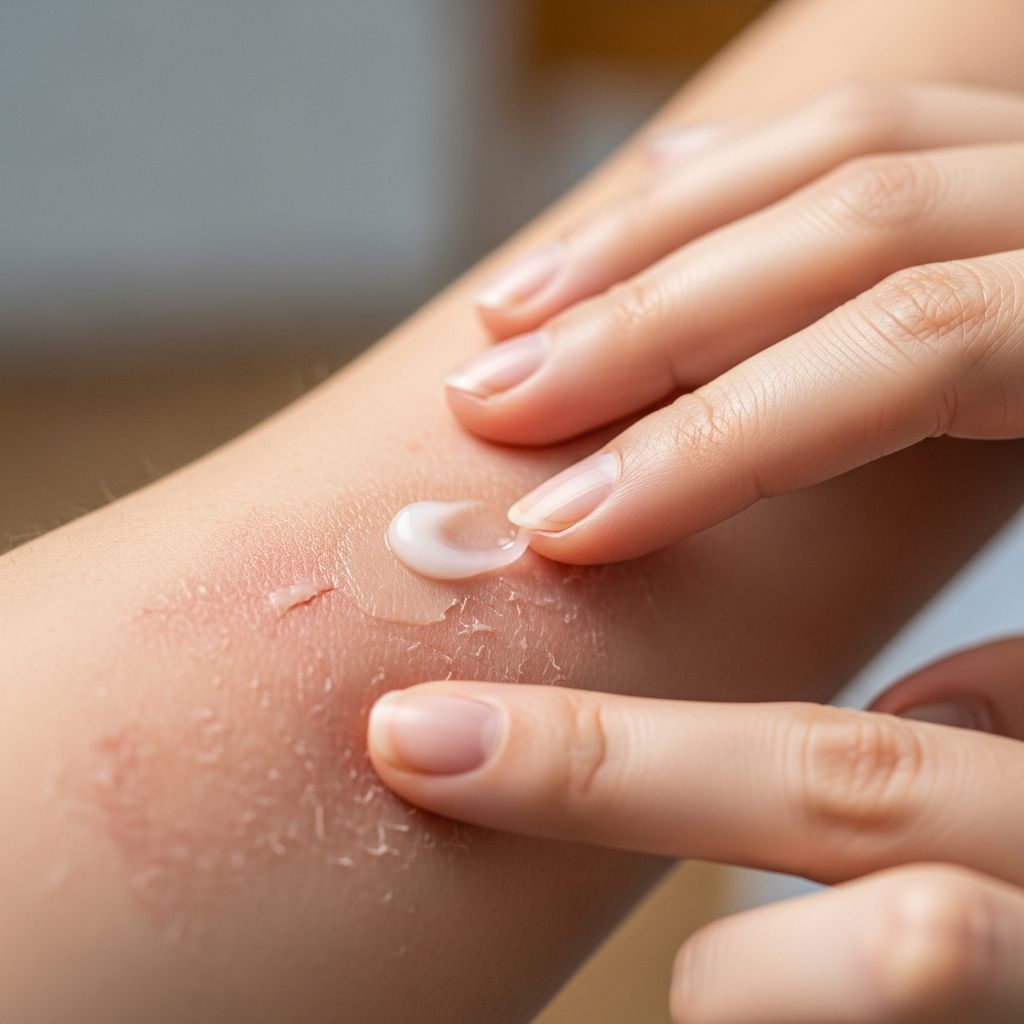
- Visible scaling, flaking, and crusting of the skin
- Yellow or white crusty formations where blisters previously existed
- Extremely dry, tight-feeling skin
- Less distinct borders around the affected rash area
- Possible bleeding if skin cracks deeply
The subacute phase represents progress, even though your skin may look worse cosmetically. The crusting and scaling indicate that your body is shedding damaged skin and beginning the underlying repair process.
Related Stories



Stage Three: The Chronic Phase
Chronic eczema develops when inflammation persists over an extended period, typically lasting three to four months or longer. This stage often results from repeated scratching, ongoing trigger exposure, or insufficient treatment.
Characteristics of chronic eczema include:
- Thickened, leathery skin texture called lichenification
- Darkened or hyperpigmented areas darker than surrounding skin
- Increased cracking and potential for deeper fissures
- Intense itching that may feel different from acute-stage itching
- Visible changes in skin texture and elasticity
It’s important to note that eczema doesn’t always progress through all three stages in sequence. Some individuals experience healing at the acute or subacute stage without entering the chronic phase, while others may cycle repeatedly through these stages.
Recognizing Signs Your Skin Is Healing
Identifying healing indicators helps you understand whether your current treatment approach is working effectively. Healing doesn’t always mean your skin looks perfect—it means your symptoms are improving and your skin barrier is strengthening.
Key indicators of eczema healing include:
- Reduced discoloration: Areas that were intensely red or inflamed gradually return to normal or near-normal skin tone
- Decreased localized heat: Your skin no longer feels hot or warm to the touch
- Shrinking rash size: The affected area becomes noticeably smaller or less widespread
- Improved itching control: You experience less intense itching and can resist the urge to scratch more easily
- Changes in texture: Rough, scaly areas smooth out as new, healthy skin forms underneath
- Resolution of blisters and crusts: Any fluid-filled blisters dry up and crusts gradually shed without bleeding
- Reduced skin dryness: Even if your skin doesn’t feel completely normal, it no longer feels painfully tight or cracked
Recovery progression depends significantly on whether you’re actively receiving treatment and managing your triggers. Medical treatment, particularly topical corticosteroids, can substantially accelerate healing and reduce symptoms more quickly than managing eczema through home remedies alone.
Timeline Expectations for Different Eczema Types
The duration of your eczema recovery depends on multiple interconnected factors. Understanding potential timelines helps you set realistic expectations and identify when you may need to adjust your treatment approach.
Contact-Triggered Eczema
When eczema results from direct contact with a specific irritating substance, eliminating that exposure often leads to relatively rapid healing. Acute lesions from contact dermatitis can clear within days after you’ve stopped the exposure and begun appropriate treatment. However, chronic contact eczema that has persisted due to repeated exposures may require several weeks to months to resolve completely, even after eliminating the trigger.
Allergic Response Eczema
Eczema triggered by allergic responses typically requires longer recovery periods than contact-triggered varieties. Allergic mechanisms in your immune system take more time to downregulate, meaning your skin may continue experiencing inflammation even after you’ve avoided the allergen. These cases often require more intensive treatment approaches.
Atopic Dermatitis
Atopic dermatitis represents a more persistent form of eczema with genetic and immune system components. Recovery from atopic dermatitis flare-ups depends heavily on treatment quality and how quickly you identify and avoid your personal triggers. With appropriate antibiotic treatment and proper symptom management, some flare-ups may resolve within one to two weeks, while others require ongoing management over months.
Accelerating Your Skin’s Recovery Process
While you cannot force your skin to heal faster than its biological capabilities allow, you can create optimal conditions for recovery by implementing evidence-based strategies.
Moisture Management as Foundation
Proper moisturization represents one of the most crucial elements of eczema recovery. Your eczema-affected skin has a compromised barrier function, meaning it cannot retain moisture effectively. Applying moisturizers to damp skin immediately after bathing helps lock water into your skin layers, preventing further drying and reducing itching.
Effective moisturizing strategies include:
- Using thick ointments or creams rather than lightweight lotions
- Applying moisturizer within three minutes of bathing
- Choosing fragrance-free products to avoid additional irritants
- Reapplying moisturizer throughout the day as needed
Therapeutic Bathing Techniques
Bathing can either support or undermine your recovery, depending on how you approach it. Lukewarm water rather than hot water, brief bathing duration, and gentle cleansing help preserve your skin’s natural oils while still achieving cleanliness.
Consider incorporating colloidal oatmeal into your bathwater. This finely ground oat product has both anti-inflammatory and moisturizing properties, reducing itching and decreasing your reliance on topical steroids, which can cause skin thinning with prolonged use.
Advanced Rehydration Methods
Wet wrap therapy represents an evidence-based technique recommended by dermatologists for accelerating healing and managing intense itching. This method involves applying medication and moisturizers to affected skin, then wrapping the area with damp cotton gauze or fabric, followed by a dry outer layer.
The wet wrap process rehydrates deeply affected areas, reduces itching intensity, and enhances the effectiveness of topical medications. Many individuals find this technique particularly helpful during acute flare-up phases when itching feels unmanageable.
Trigger Identification and Avoidance
Recovery cannot progress effectively if you continue exposing yourself to personal triggers. Common eczema triggers include fragrances, animal dander, dust mites, certain cosmetics, and environmental pollen. Taking time to systematically identify your specific triggers through careful observation and potential elimination trials accelerates recovery significantly.
Managing Persistent Itching During Healing
Itching during healing doesn’t necessarily indicate that your eczema is worsening—it may simply reflect inflammation as your body repairs damaged skin. However, scratching can damage healing skin and restart the inflammatory cycle, making itch management critical to your recovery success.
Effective itch management strategies include:
- Applying cool compresses to affected areas for temporary relief
- Using topical cooling agents like menthol or calamine
- Applying topical anesthetics containing pramoxine to reduce sensation
- Wearing loose-fitting cotton clothing that minimizes friction
- Maintaining moderate environmental temperatures and humidity
- Managing stress through relaxation techniques, as stress intensifies itching
When home-based itch management proves insufficient, your healthcare provider can prescribe topical or systemic medications specifically designed to interrupt the itch-scratch cycle that perpetuates eczema flare-ups.
When to Seek Professional Medical Support
While many mild eczema flare-ups respond well to home management and over-the-counter treatments, certain situations warrant professional medical evaluation. Appropriate treatment selection can dramatically shorten your recovery timeline.
Consider consulting a dermatologist if you experience:
- Eczema that doesn’t improve within two weeks despite home management
- Signs of skin infection, including increased warmth, pus, or spreading redness
- Severe itching that interferes with sleep or daily functioning
- Symptoms spreading to new body areas or worsening over time
- Uncertainty about which treatment approaches are safest and most effective
The Long-term Recovery Perspective
For many individuals, eczema represents a lifelong condition requiring ongoing symptom management rather than a condition you “cure” and never experience again. However, this reality doesn’t mean accepting perpetual suffering. With consistent management, appropriate treatment, and trigger awareness, you can extend periods of clear skin and minimize the severity and duration of flare-ups.
Viewing eczema recovery as a continuous journey rather than a destination helps you maintain the consistency needed for long-term success. Building sustainable habits around moisturizing, stress management, and environmental control becomes increasingly important as you develop your personal recovery blueprint.
Frequently Asked Questions
How long does a typical eczema flare-up last?
Recovery duration varies significantly based on trigger identification, treatment approach, and individual factors. Contact-triggered eczema may resolve within days to weeks of eliminating exposure, while allergic or atopic eczema may require several weeks to months. Appropriate medical treatment can substantially shorten recovery timelines.
Does itching mean my eczema is healing?
Not necessarily. Itching indicates active inflammation and may reflect any stage of eczema progression. While itching may accompany healing, it can also indicate ongoing flare-up activity. Focus on other healing signs like reduced redness, smaller rash size, and improved skin texture rather than relying solely on itch changes.
Can eczema heal completely?
Eczema cannot be permanently cured in the traditional sense, but symptoms can be effectively managed and controlled. Many people experience extended periods of clear skin through proper trigger management, consistent skincare, and appropriate treatment.
What’s the most effective way to speed up eczema healing?
Combining trigger avoidance, consistent moisturizing, appropriate medical treatment when needed, and stress management creates the optimal environment for healing. Identifying your personal triggers allows you to prevent flare-ups entirely, while proper moisturizing supports your skin barrier repair process.
Should I see a doctor for my eczema?
Professional evaluation helps determine the type of eczema you have, identify appropriate treatments, and rule out complications like skin infection. Healthcare providers can recommend treatments specifically suited to your situation that accelerate healing beyond what home management alone can achieve.
References
- Eczema Stages: Healing Signs and How to Manage — Healthgrades. 2024. https://resources.healthgrades.com/right-care/eczema/eczema-healing-stages
- Eczema Healing Stages: What to Expect — Eczema Company. 2024. https://eczemacompany.com/blogs/blog/eczema-healing-stages
- Eczema Recovery Tips | What To Expect After Treatment — BH Skin. 2024. https://bhskin.com/blog/eczema-recovery/
- Eczema and healing: Itching and easing symptoms — Medical News Today. 2023. https://www.medicalnewstoday.com/articles/does-eczema-itch-when-healing
- Eczema: What It Is, Symptoms, Causes, Types & Treatment — Cleveland Clinic. 2024. https://my.clevelandclinic.org/health/diseases/9998-eczema
Similar Articles








Read full bio of medha deb