Eczema Research Challenges: Key Insights For Researchers
Unraveling the complexities of eczema studies: from diagnostic hurdles to global data gaps and patient impacts.
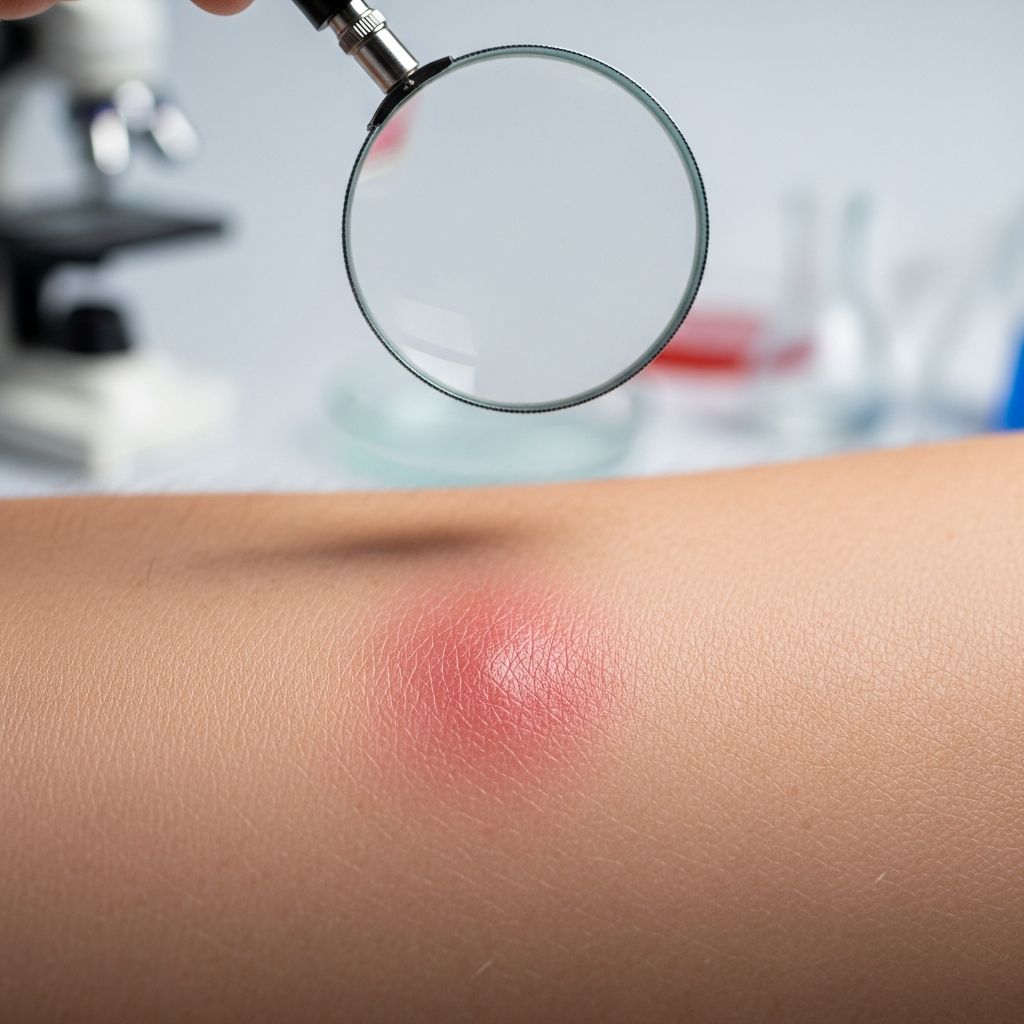
Atopic dermatitis, commonly known as eczema, imposes a significant global health burden, yet research efforts are hampered by inconsistent methodologies, ethical complexities, and incomplete data coverage. This article examines these obstacles, drawing on recent studies to highlight the need for standardized approaches and equitable research practices.
Navigating Diagnostic Inconsistencies in Eczema Studies
Epidemiological research on eczema struggles with varying diagnostic criteria, ranging from physician-confirmed cases to self-reported symptoms. These differences lead to incomparable prevalence estimates across populations. For instance, studies often mix point, period, or lifetime prevalence, complicating meta-analyses.
Severity assessment tools further exacerbate issues. While tools like POEM and SCORAD are used, few studies (only 17.1% in recent reviews) incorporate them consistently, and none employed the Eczema Area and Severity Index (EASI), recommended for trials. High-income regions dominate data, leaving low-resource areas, especially Africa, underrepresented due to infrastructure limitations.
- Physician-diagnosed vs. self-reported: Leads to variability in the same populations.
- Prevalence types: Point vs. lifetime estimates hinder comparisons.
- Severity tools: Lack of standardization, with no adult-validated instruments widely available.
Global Gaps in Eczema Burden Data
Comprehensive burden estimates are absent for many countries, particularly in Africa, influenced by publication bias and funding shortages. Recent scoping reviews covering 2023-2024 data confirm geographical disparities, underscoring the urgency for expanded population-based studies.
| Region | Data Availability | Key Challenges |
|---|---|---|
| High-Income | High | Methodological variety |
| Middle-Income | Moderate | Limited severity data |
| Low-Income (e.g., Africa) | Low | Infrastructure, funding gaps |
Initiatives like the Global Atopic Dermatitis Atlas (GADA) are developing consensus guidelines for case definitions to enhance comparability.
Ethical Hurdles in Biomarker Development for Eczema
Precision medicine promises targeted eczema treatments via biomarkers, but ethical challenges abound. Over 300 million people suffer from atopic dermatitis and psoriasis, yet data-driven biomarkers introduce biases, subgroup stratifications, and uncertainties.
Stakeholder interviews reveal interconnected issues: psycho-social harms from disease severity labels, trial-and-error treatments, and big data biases. Mild-to-moderate cases often face neglect, amplifying injustices.
- Harm dimensions: Physical, psychological, social impacts overlooked in severity scales.
- Injustices: Epistemic bias against certain patient groups.
- Uncertainties: Chicken-and-egg causality in environmental factors and biomarkers.
BIOMAP consortium efforts highlight needs for standardized biomarkers in clinical practice, currently absent.
Patient Perspectives on Eczema Management
Qualitative reviews show patients and caregivers grappling with treatment uncertainties, caution around therapies, and self-management barriers. Common themes include doubts about efficacy and side effects, reflecting a trial-and-error reality.
Social media increasingly influences decisions, with growing research on its role in patient-driven care.
Emerging Research Frontiers in Eczema
Innovative studies target sleep disturbances, skin allergies, and data-driven analyses. Sleep impacts quality of life, prompting novel interventions. Identifying allergy risks aids in predicting severe courses.
Data themes include comorbidities, image classification, and phenotype disaggregation, leveraging AI for better insights.
Related Stories



Strategies for Overcoming Research Barriers
To address gaps, standardize tools like EASI for populations, develop adult diagnostics, and promote living systematic reviews. Ethical frameworks must mitigate biases and uncertainties in biomarkers.
Patient-centered approaches, incorporating views, can refine self-management and trial designs.
FAQs
What are the main challenges in eczema research?
Inconsistent diagnostics, severity measures, and regional data gaps primarily hinder progress.
How do biomarkers help eczema treatment?
They enable personalized predictions but face ethical issues like data biases.
Why is African data on eczema scarce?
Limited infrastructure and funding contribute to publication gaps.
What do patients worry about most in eczema care?
Treatment efficacy, side effects, and daily management doubts.
Are there new eczema research trends?
Yes, including sleep studies, allergies, and AI-driven data analysis.
References
- Atopic dermatitis epidemiological research methodology: a global scoping review — British Journal of Dermatology. 2025-11-01. https://academic.oup.com/bjd/article/193/5/830/8169427
- Ethical challenges in biomarker research and precision medicine — PMC. 2024-01-01. https://pmc.ncbi.nlm.nih.gov/articles/PMC12625220/
- Views and experiences of managing eczema: systematic review — British Journal of Dermatology. 2022-01-01. https://onlinelibrary.wiley.com/doi/10.1111/bjd.19299
- Eczema Research — Northwestern Medicine. 2025-01-01. https://www.nm.org/conditions-and-care-areas/dermatology/eczema/eczema-research
- Data‐driven research on eczema: Systematic characterization — PMC. 2022-01-01. https://pmc.ncbi.nlm.nih.gov/articles/PMC9172212/
Similar Articles








Read full bio of Sneha Tete