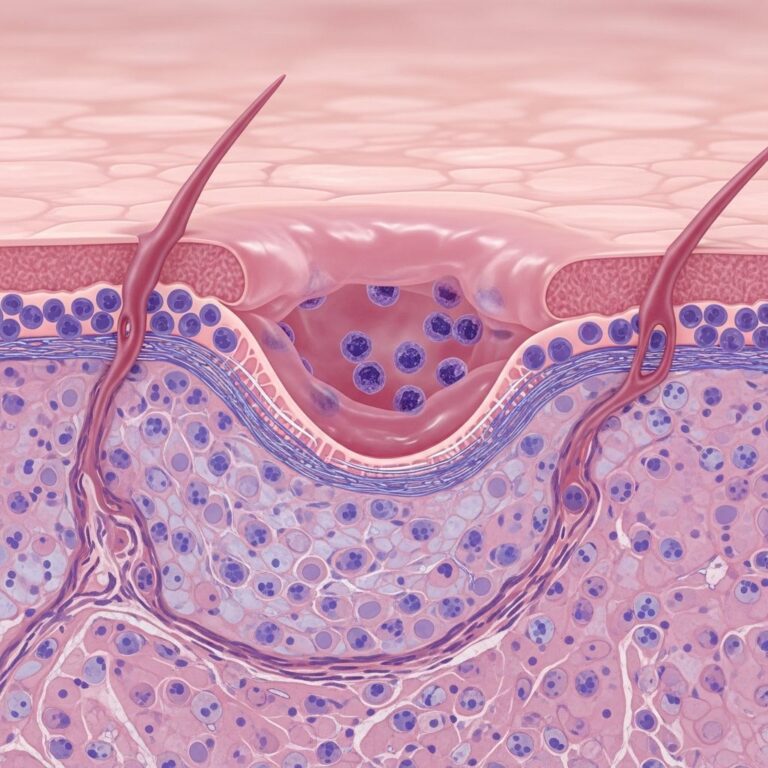
Revitalize Your Space: Eczema-Safe Spring Refresh
Discover practical strategies to declutter, clean, and optimize your home for eczema management this spring, reducing flare-ups naturally.

Spring brings renewal, but for those with eczema, seasonal shifts can trigger skin irritations from accumulated dust, pollen, and household allergens. A targeted home refresh removes these culprits, fostering a calmer environment that supports skin barrier health. This guide outlines gentle, effective methods to clean without harsh chemicals, focusing on high-impact areas to prevent flare-ups.
Why Spring Matters for Eczema-Prone Households
As temperatures rise, windows open, and pollen infiltrates, indoor air quality often declines. Dust mites thrive in warmer conditions, and neglected winter buildup exacerbates sensitivities. According to the National Eczema Association, environmental triggers like these contribute to 30-50% of flare-ups in atopic dermatitis patients. Prioritizing a thorough yet skin-friendly refresh creates lasting relief.
- Dust and pollen accumulation: Winter confines trap particles that bloom in spring.
- Humidity shifts: Moisture promotes mold, irritating sensitive skin.
- Fabric allergens: Bedding and upholstery harbor dander and residues.
Addressing these proactively maintains comfort year-round.
Planning Your Gentle Refresh Strategy
Begin with a structured approach to avoid overwhelm. Divide tasks by zone—bedroom, kitchen, living areas—and allocate 15-30 minute sessions over weeks. This prevents physical strain, which can indirectly stress skin.
| Zone | Priority Tasks | Estimated Time |
|---|---|---|
| Bedroom | Launder bedding, vacuum mattress | 45 min |
| Kitchen | Wipe surfaces, declutter pantry | 30 min |
| Bathroom | Scrub fixtures, replace liners | 20 min |
| Living Areas | Dust high surfaces, clean fabrics | 60 min |
Stock hypoallergenic supplies: microfiber cloths, HEPA vacuums, and vinegar-based solutions. Track progress with a simple checklist app or notepad.
Decluttering to Minimize Triggers
Excess items collect dust and impede airflow. Start small: sort clothes, papers, and pantry goods into keep, donate, discard piles. For eczema, focus on porous materials like old towels or stuffed toys that trap allergens.
- Donate unworn fabrics to reduce laundry irritants.
- Toss expired skincare or cosmetics—check dates rigorously.
- Organize storage with airtight bins to seal away dust.
This step alone can cut airborne particles by up to 40%, per environmental health studies.
Top-to-Bottom Dusting Techniques
Dust settles everywhere, but starting high prevents recontamination. Use a damp microfiber cloth or electrostatic duster for ceilings, fans, and light fixtures. Follow with HEPA vacuuming on upholstery and floors.
- Ceiling fans: Wipe blades with a vinegar-dampened cloth to avoid residue.
- Light fixtures: Remove shades, soak in mild soap, rinse thoroughly.
- Shelves and ledges: Work downward, capturing fallout.
Avoid feather dusters; they redistribute particles. For blinds, vacuum slats or soak in a bathtub with gentle detergent.
Bedroom Sanctuary: Prioritizing Sleep Hygiene
Your bedroom is ground zero for overnight recovery. Wash all bedding in hot water (140°F if labels allow) weekly, using fragrance-free detergent. Encase mattresses and pillows in allergen-proof covers—silk or tightly woven cotton variants breathe better for skin.
Vacuum the mattress monthly, sprinkling baking soda first to neutralize odors. Air out comforters outdoors on dry days, shaking vigorously. Rotate or flip mattresses seasonally to even wear.
Related Stories



Quality sleep reduces cortisol, a known eczema aggravator.
Kitchen Cleanse: Safe Surface Strategies
Kitchens harbor grease, spills, and food allergens. Wipe counters with a 1:1 vinegar-water mix; it cuts grime without stripping natural oils from skin-contact surfaces. Degrease appliances gently—steam cleaners excel here, killing bacteria sans chemicals.
- Pantry audit: Discard grains or nuts past peak freshness.
- Fridge wipe-down: Use baking soda paste for stubborn spots.
- Cabinet interiors: Vacuum crumbs, line shelves with washable mats.
For stainless steel, microfiber and water suffice, preventing scratches that trap residues.
Bathroom Revival: Mold and Moisture Control
Humidity breeds mold, a potent irritant. Replace shower curtains quarterly; opt for quick-dry PEVA over vinyl. Scrub tiles with a soft brush and hydrogen peroxide solution for natural disinfection.
Upgrade ventilation: Install or clean exhaust fans to expel steam promptly. Declutter cabinets, tossing outdated lotions that may contain irritants like parabens.
| Common Issue | Skin-Safe Fix |
|---|---|
| Mold on grout | Baking soda + peroxide paste |
| Hard water stains | White vinegar soak |
| Soap scum | Lemon juice scrub |
Window and Wall Refresh for Fresher Air
Streak-free windows invite natural light, boosting mood. Mix dish soap with warm water, apply with a sponge, squeegee dry. Wash screens outdoors to banish pollen.
For walls, spot-clean marks with a magic eraser or mild soapy water. Vacuum corners for cobwebs first. These steps enhance light filtration, reducing reliance on artificial sources that stir dust.
Air Quality Mastery: Filters and Ventilation
Indoor air circulates allergens rapidly. Swap HVAC filters for high-MERV (8-13) ratings, capturing fine particles without straining systems. Run fans post-cleaning to flush residues.
Incorporate houseplants like spider plants or peace lilies—they filter VOCs naturally. Open windows during low-pollen hours, using screens.
Fabric and Upholstery Deep Clean
Vacuums with upholstery tools lift dander from couches. Steam clean removable covers at home or professionally. Sprinkle baking soda on rugs, vacuum after 15 minutes.
- Wash throw pillows in mesh bags.
- Spot-treat stains with enzyme cleaners safe for fabrics.
- Air dry everything to kill mites.
Sustainable Choices for Long-Term Wellness
Embrace reusables: cut-up cotton shirts for rags beat paper towels. DIY sprays from vinegar, lemon, and essential oils (diluted lavender for calming scent) minimize exposure. Bulk-buy fragrance-free products to cut packaging waste.
Energy-efficient appliances like HEPA vacs and steamers multitask effectively.
Daily Habits to Sustain Your Refresh
Post-spring, integrate micro-routines: weekly mattress vacuuming, monthly filter checks. Use doormats to trap outdoor pollen; remove shoes at entry.
Monitor humidity (40-60%) with a hygrometer—dehumidifiers prevent excess moisture.
Frequently Asked Questions
Can I use bleach for eczema-safe cleaning?
No—bleach dries skin and irritates airways. Stick to natural alternatives like vinegar.
How often should I wash bedding?
Weekly in hot water, more if sweating or pets share the bed.
Are essential oils safe for eczema homes?
Dilute heavily; test for reactions. Fragrance-free is safest.
What’s the best vacuum for allergens?
HEPA-filtered models with sealed systems trap 99.97% of particles 0.3 microns and larger.
Does decluttering really help skin?
Yes—fewer surfaces mean less dust accumulation, directly lowering triggers.
Final Thoughts on Your Eczema-Friendly Home
This refresh isn’t a one-off; it’s foundational for resilience. By methodically targeting irritants, you craft a haven that nurtures skin health amid spring’s vibrancy. Feel the difference in clearer air, smoother routines, and fewer flare-ups.
References
- Spring Cleaning Tips and Checklist — Sylvane. 2026. https://www.sylvane.com/blogs/knowledge-center/spring-cleaning-tips-and-checklist
- Spring Cleaning Plan — American Cleaning Institute. Accessed 2026. https://www.cleaninginstitute.org/cleaning-tips/spring-cleaning/spring-cleaning-plan
- 10 Spring Cleaning and Home Maintenance Tips — Indiana Farm Bureau. Accessed 2026. https://www.infarmbureau.com/inside-story/articles/10-spring-cleaning-and-home-maintenance-tips
- Best Spring Cleaning Tips 2026 — ABC7. 2026. https://abc7.com/post/best-spring-cleaning-tips-products-shop-help/18591389/
- Atopic Dermatitis Clinical Guideline — American Academy of Dermatology. 2024-01-15. https://www.aad.org/member/clinical-quality/guidelines/atopic-dermatitis
Similar Articles








Read full bio of Sneha Tete