Eczema-Safe Sunscreen: Expert Guide For Sensitive Skin
Discover how to select and apply sunscreens that protect sensitive eczema skin without causing irritation or flare-ups this summer.
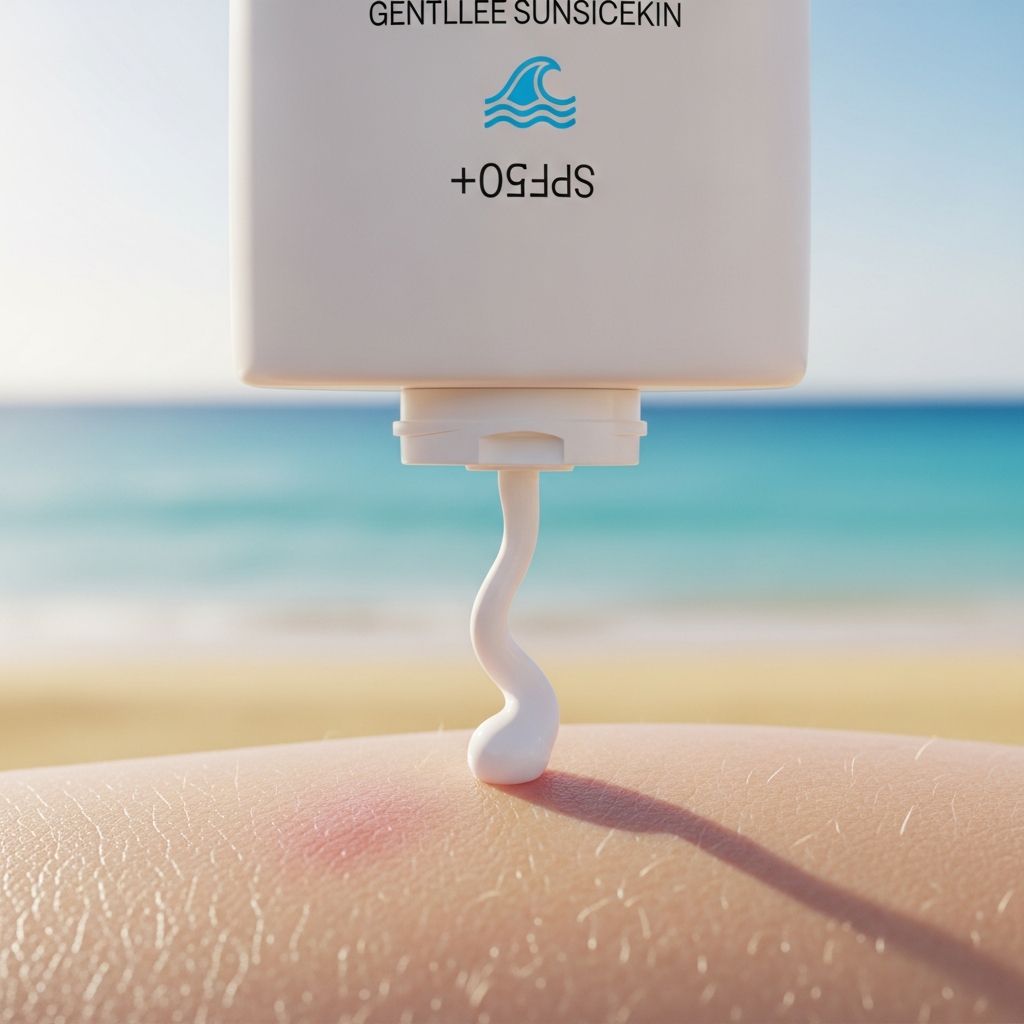
Protecting skin affected by eczema from ultraviolet radiation requires careful selection of sunscreens that minimize irritation risks while providing robust defense against sun damage. Mineral-based formulas with zinc oxide or titanium dioxide stand out as primary choices for those with this chronic condition, as they form a physical barrier rather than relying on chemical absorbers that can penetrate and inflame sensitive areas.
Why Sun Exposure Challenges Eczema-Prone Skin
Ultraviolet rays, heat, and subsequent sunburn can exacerbate eczema symptoms, leading to intensified itching, redness, and dryness. Even individuals whose condition temporarily improves under mild sunlight must remain vigilant, as prolonged exposure often triggers photoallergic responses or worsens underlying inflammation. Health authorities emphasize daily sunscreen use regardless of weather, since UVA rays penetrate clouds and windows, contributing to flares over time.
Sunburn directly aggravates the skin barrier function already compromised in eczema patients, increasing transepidermal water loss and promoting bacterial entry points. Preventive measures thus become essential to maintain remission and avoid cycles of flare-ups during peak seasons.
Distinguishing Sunscreen Types for Sensitive Skin
Sunscreens fall into two main categories: physical (mineral) and chemical. Physical variants use inert particles to reflect UV light away from the skin surface, reducing the likelihood of absorption-related reactions. Key active ingredients include non-nano zinc oxide, which offers broad-spectrum coverage, and titanium dioxide, effective against UVB while complementing UVA blockers.
Chemical sunscreens, conversely, absorb UV energy and convert it to heat, potentially irritating eczema-affected areas due to their organic filters like oxybenzone or avobenzone. While some hybrid products combine both types successfully for certain users, purists recommend sticking to 100% mineral compositions to sidestep common triggers.
| Sunscreen Type | Active Mechanism | Eczema Suitability | Common Ingredients |
|---|---|---|---|
| Mineral/Physical | Reflects UV rays | High (less irritating) | Zinc oxide, Titanium dioxide |
| Chemical | Absorbs UV, releases heat | Lower (potential irritant) | Oxybenzone, Avobenzone |
| Hybrid | Combination | Variable (test first) | Mix of mineral + chemical |
This comparison highlights why mineral options dominate recommendations for atopic dermatitis management.
Key Ingredients to Prioritize and Avoid
Opt for products labeled broad-spectrum with SPF 30 or higher, ensuring at least 97% UVB blockage. Fragrance-free formulations eliminate volatile compounds notorious for allergic contact dermatitis. Steer clear of alcohol denat., parabens, and dyes, which desiccate the skin and disrupt the lipid matrix essential for eczema control.
- Zinc Oxide: Gentle, waterproof, suitable for face and body.
- Titanium Dioxide: Lightweight, non-comedogenic for daily wear.
- Avoid: Oxybenzone, fragrances, coconut derivatives if personally reactive.
Water-resistant claims matter for active lifestyles, but no product guarantees full immunity—reapplication remains critical.
Recommended Products Backed by Experts
Reputable organizations like the National Eczema Association endorse specific mineral sunscreens tested for tolerance in sensitive populations. Examples include high-SPF fluids like Heliocare Mineral Tolerance Fluid SPF50 and SunSense Sensitive SPF50+, which prioritize hypoallergenic bases.
Related Stories



- Isdin Fotoprotector Pediatrics Fusion Fluid Mineral Baby SPF50: Ideal for children and adults alike.
- La Roche-Posay Anthelios Dermo-Pediatrics Lotion SPF50+: Pediatric-formulated for extra gentleness.
- Altruist SPF50: Affordable hybrid with positive user feedback for non-flared skin.
Availability varies by region; always verify current formulations via patch testing.
Step-by-Step Application Protocol
Proper technique maximizes efficacy and minimizes residue buildup that could clog pores or sting open fissures. Begin with clean, moisturized skin—apply emollients 15-30 minutes prior to sunscreen to create a protective base without dilution effects.
- Generously dispense: Use 1 ounce (shot glass full) for full-body coverage, equating to 6-8 teaspoons.
- Apply 30 minutes pre-exposure: Allows settling and bonding.
- Cover comprehensively: Ears, neck, lips (with SPF balm), hands, feet, and scalp parts.
- Reapply every 2 hours: Or immediately post-swim, sweat, towel-dry.
- Layer doubles if needed: Over makeup or post-moisturizer.
For inflamed patches, wait until calmed or consult a dermatologist before full application.
Complementary Sun Defense Strategies
Sunscreen alone insufficiently shields; integrate multifaceted protection. The American Academy of Dermatology advocates UPF-rated clothing, wide-brim hats, and shade-seeking from 10 a.m. to 4 p.m., when UV index peaks.
- Wear long-sleeves, pants in breathable fabrics.
- Utilize UV-blocking umbrellas or tents for outdoor events.
- Hydrate internally and mist skin to combat heat-induced flares.
- Post-sun: Cool showers, thick emollients to restore barrier.
Children warrant extra caution—prioritize SPF50+ garments over lotions for infants under six months.
Patch Testing: Your First Line of Defense
Initiate new products with a 48-72 hour trial on inner arm or behind ear. Monitor for erythema, pruritus, or vesicles. Discontinue at first sign of distress and document for allergist review. This proactive step averts widespread reactions, especially pre-vacation.
Control active eczema first: Healed skin tolerates more than weeping lesions, where even bland vehicles sting.
Frequently Asked Questions
Can I apply sunscreen directly on active eczema?
Yes, on stable or mildly irritated skin, but prefer gentle mineral types. Sunburn worsens flares more than mild stinging from application. Seek medical input for severe cases.
Does higher SPF mean better for eczema?
SPF 30-50 balances protection (98% UVB block) without excess chemicals that heighten irritation risks. Beyond 50 offers marginal gains for most.
Is sunscreen needed on cloudy days?
Absolutely—UVA penetrates clouds, contributing to cumulative damage and potential flares.
What if all sunscreens irritate my skin?
Stabilize eczema via prescription topicals first, then retry minerals. Dermatologist-prescribed options or compounded formulas may help.
Are natural sunscreens always safer?
Not necessarily—’natural’ labels may hide allergens like essential oils. Ingredient scrutiny trumps marketing claims.
Long-Term Sun Management for Eczema
Incorporate photoprotection into daily routines year-round, not seasonally. Track personal triggers via journals, noting product responses and environmental factors. Annual dermatology check-ins refine regimens, potentially incorporating oral antioxidants or advanced topicals.
Empowerment through education reduces anxiety around sun exposure, fostering confident outdoor enjoyment without compromising skin integrity.
References
- A Guide to Sunscreen for Eczema — Healthgrades. 2023. https://resources.healthgrades.com/right-care/eczema/sunscreen-for-eczema
- Sunscreen for eczema: Tips for sun safety and FAQs — Medical News Today. 2023-05-15. https://www.medicalnewstoday.com/articles/sunscreen-for-eczema
- Sunscreen FAQs — American Academy of Dermatology. 2024. https://www.aad.org/media/stats-sunscreen
- Eczema and the sun factsheet — National Eczema Society. 2022-04. https://eczema.org/wp-content/uploads/Eczema-and-the-sun-Apr-22.pdf
- Sunscreen tips for eczema — Eczema Help. 2023. https://eczemahelp.ca/sunscreen-tips-for-eczema/
- What’s the skinny on sunscreen and eczema? — National Eczema Association. 2023. https://nationaleczema.org/blog/eczema-sunscreen/
Similar Articles








Read full bio of medha deb