Eczema Scarring: Prevention and Solutions
Understand how eczema leads to skin marks, effective ways to prevent them, and proven treatments to fade scars for smoother skin.
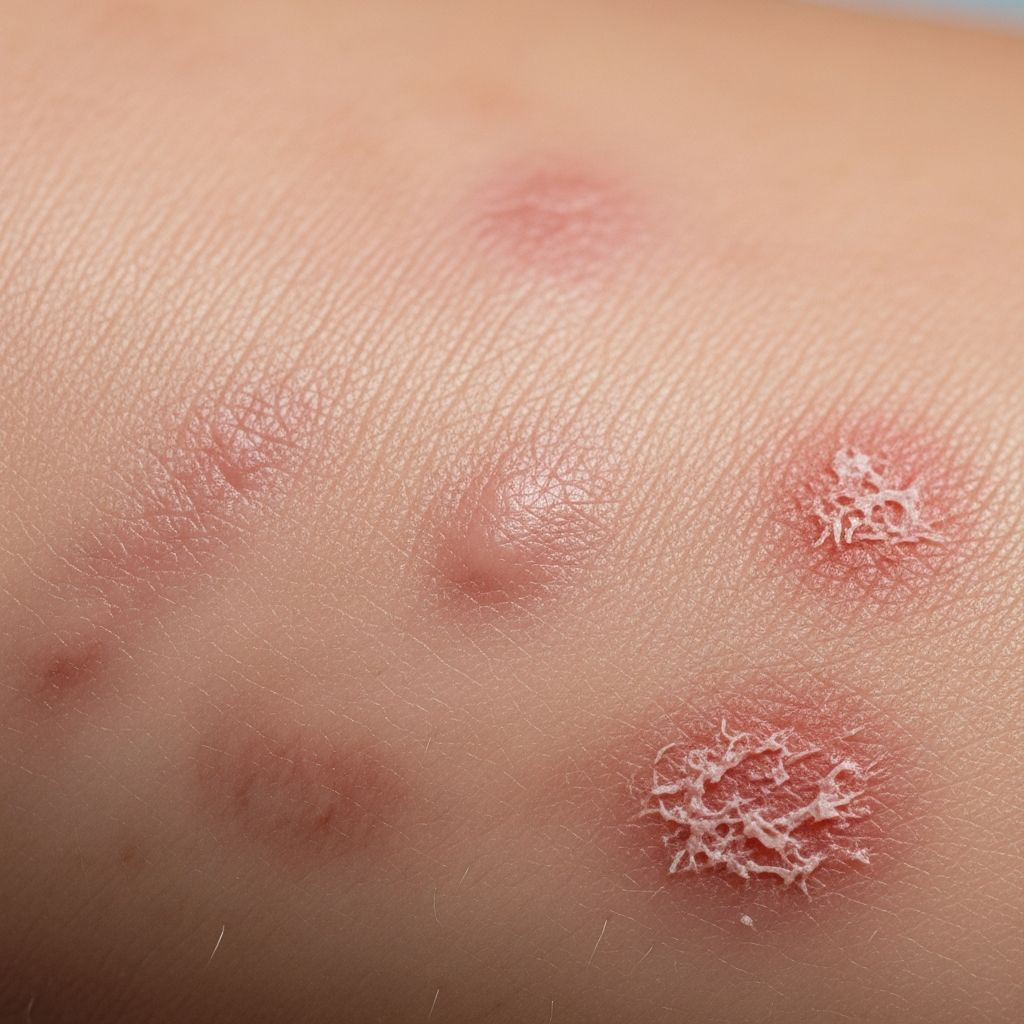
Eczema, a chronic inflammatory skin condition, often leads to visible skin changes due to intense itching and repeated scratching, which can result in temporary discoloration or permanent scars. Effective management focuses on breaking the itch-scratch cycle, protecting the skin barrier, and using targeted therapies to minimize long-term damage.
The Connection Between Eczema and Skin Marks
Atopic dermatitis, commonly known as eczema, triggers red, inflamed patches that itch relentlessly. This discomfort prompts scratching, damaging the skin’s outer layer and initiating a healing process that may leave marks. Unlike direct scarring from injuries, eczema-related changes often stem from post-inflammatory responses where the skin produces excess or reduced pigment during recovery.
Skin affected by eczema becomes dry and fragile, making it prone to cracks and breaks. When these open, bacteria can enter, causing infections that prolong healing and increase scarring risk. Studies show that uncontrolled flare-ups exacerbate this, particularly in areas like elbows, knees, and hands where scratching is frequent.
Types of Skin Changes from Eczema
Eczema does not always produce true scars but frequently causes pigmentation shifts that mimic them. These changes vary by skin tone and severity of damage.
- Post-inflammatory hyperpigmentation (PIH): Darkened areas appearing brown, purple, or gray on deeper skin tones, or pink/red on lighter ones. This results from melanin overproduction during inflammation.
- Hypopigmentation: Lighter patches where pigment cells are suppressed, more noticeable months after flares.
- Hypertrophic scars: Raised, thickened marks confined to the original wound site, often itchy.
- Keloid scars: Overgrown scars extending beyond the injury, more common in darker skin tones and rare in pure eczema cases.
These marks can persist for months or years, affecting confidence and daily life. Early recognition on all skin tones is crucial, as eczema may present differently—grayish on brown skin versus red on pale skin—potentially delaying treatment.
Why Scratching Leads to Lasting Damage
The itch-scratch cycle is central to eczema scarring. Intense pruritus signals the brain to scratch, releasing histamines that worsen inflammation and prompt more itching. Repetitive trauma thins the epidermis, exposes dermis, and triggers excessive collagen deposition, forming raised scars.
Infections from broken skin, like Staphylococcus aureus, further complicate healing. Pus-filled bumps or oozing indicate infection, raising scar likelihood. Deeper damage affects subcutaneous layers, making changes permanent if not addressed promptly.
| Skin Change Type | Appearance | Duration | Common in Skin Tones |
|---|---|---|---|
| Hyperpigmentation | Darker than surrounding skin | Months to years | All, prominent in darker |
| Hypopigmentation | Lighter patches | Months | All |
| Hypertrophic | Raised, red/brown | Persistent if untreated | Darker tones |
| Keloid | Overgrown, firm | Permanent without intervention | Darker tones |
Related Stories



Preventing Scars During Eczema Flare-Ups
Proactive steps reduce scratching and support healing, preventing most pigmentation issues. Consistent routines are key.
- Moisturize frequently: Use thick, fragrance-free emollients like petrolatum within 3 minutes of bathing to seal moisture and repair the barrier.
- Avoid triggers: Identify allergens, irritants, or stress via patch testing or diaries.
- Wear soft clothing: Cotton gloves at night prevent unconscious scratching.
- Apply cool compresses: Soothe itch without breaking skin.
- Use sunscreen daily: SPF 30+ prevents UV worsening of PIH.
Topical corticosteroids or calcineurin inhibitors prescribed early control inflammation, minimizing damage. For children, diluted bleach baths reduce bacterial load.
Home Remedies to Fade Early Marks
Mild discoloration often resolves naturally, but gentle aids accelerate fading.
- Oatmeal baths: Colloidal oats calm inflammation and hydrate.
- Aloe vera: Pure gel soothes and promotes even tone.
- Shea butter or vitamin E: Nourish and soften texture.
- Silicone sheets: Hydrate hypertrophic areas overnight.
Patience is essential; epidermis renews every 28 days, fading surface changes over time. Nutrition supports repair—omega-3s, zinc, and vitamin C aid collagen synthesis.
Medical Treatments for Established Scars
For persistent marks, dermatologists offer tiered options based on severity.
Topical prescriptions: Hydroquinone or retinoids lighten PIH; corticosteroids flatten raised scars.
Procedural interventions:
- Laser resurfacing: Fractional lasers stimulate collagen, improving texture and color.
- Microneedling: Creates micro-injuries to boost renewal.
- Chemical peels: Exfoliate pigmented layers.
- Dermabrasion: Smooths surface irregularities.
- Cortisone injections: Shrink keloids.
These are safe post-flare control, with darker skins needing cautious settings to avoid further PIH. Costs vary; insurance may cover if functional impairment exists.
When to Consult a Dermatologist
Seek care if:
- Itch disrupts sleep or daily activities.
- Oozing, crusting, or fever suggests infection.
- Marks spread or deepen.
- Mental health suffers from appearance anxiety.
Dermatologists assess via biopsy if needed, tailoring plans. Mental health support addresses emotional burden.
Living Confidently with Eczema-Prone Skin
Managing eczema holistically preserves skin integrity. Track flares with apps, join support groups, and prioritize sleep/stress reduction. Advances like biologics (e.g., dupilumab) offer flare-free periods, slashing scar risk.
Scars fade with diligence; focus on controllable factors empowers long-term skin health.
Frequently Asked Questions
Do eczema scars ever fully disappear?
PIH often fades in 6-12 months; true scars improve but may not vanish completely without procedures.
Are eczema scars more common in certain skin types?
Hyperpigmentation and keloids are more visible/persistent in darker tones due to melanin response.
Can over-the-counter creams remove scars?
They help mild cases but consult a doctor for prescriptions matching your needs.
Does sun exposure worsen eczema marks?
Yes, UV darkens PIH; daily broad-spectrum SPF is vital.
How long after a flare do marks appear?
Immediately post-inflammation, peaking 1-3 months later.
References
- Eczema scars: Causes, treatment, and prevention — Medical News Today. 2023-10-15. https://www.medicalnewstoday.com/articles/eczema-scars
- How Do I Get Rid of Eczema Scars? — Children’s Minnesota. 2024-01-20. https://www.childrensmn.org/educationmaterials/teens/article/13062/how-do-i-get-rid-of-eczema-scars/
- Does Eczema Leave Scars? — Healthline. 2024-05-12. https://www.healthline.com/health/eczema/does-eczema-leave-scars
- How To Treat Your Eczema Scars — MyEczemaTeam. 2023-11-08. https://www.myeczemateam.com/resources/minimizing-eczema-scars
- Are Eczema Scars Permanent? — Certified Dermatology. 2024-02-05. https://www.njdermdoc.com/blog/are-eczema-scars-permanent/
- Does Eczema Cause Scars? — Health Central. 2023-09-18. https://www.healthcentral.com/condition/eczema/eczema-scars
- Eczema (Atopic Dermatitis) — Boston Children’s Hospital. 2024-03-10. https://www.childrenshospital.org/conditions-treatments/eczema
Similar Articles








Read full bio of medha deb