Eczema Self-Care: Dermatologist-Approved Tools Reviewed
Discover safe self-care tools and trends for eczema management, vetted by dermatological expertise to prevent flares and soothe skin.
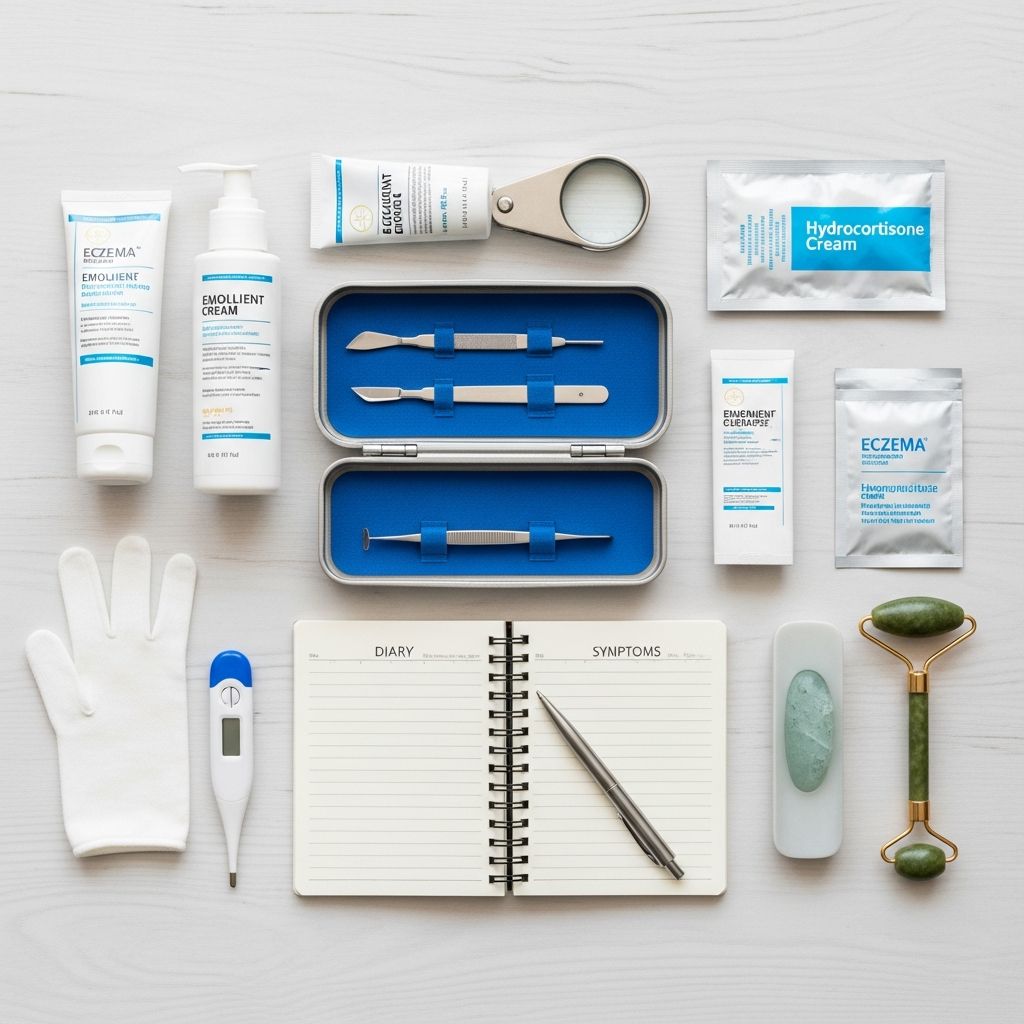
Managing eczema involves more than prescription treatments; everyday self-care tools and emerging trends can significantly reduce flare-ups when used correctly. This guide reviews popular options, drawing from authoritative health sources to help you identify what works safely for sensitive skin.
Essential Daily Skin Care Foundations
A consistent routine forms the backbone of eczema control. Focus on hydration and gentle cleansing to repair the skin barrier, which is often compromised in atopic dermatitis.
- Gentle Cleansing: Select fragrance-free, dye-free cleansers over traditional soaps, which strip essential oils. Limit showers to 5-10 minutes with lukewarm water and pat dry gently.
- Intensive Moisturizing: Apply thick creams or ointments immediately after bathing while skin is damp. Products with ceramides and lipids mimic the skin’s natural barrier, locking in moisture and blocking irritants.
- Fabric Choices: Opt for breathable cotton clothing; avoid wool or synthetics that trap heat and friction.
These habits alone can minimize dryness, a primary flare trigger. Dermatologists emphasize twice-daily moisturizing as clinically proven to cut flare frequency.
Bath Therapies: Soothing Soaks Backed by Science
Baths hydrate skin deeply but must be done right to avoid worsening irritation. Several additives offer proven relief.
| Therapy | How to Use | Benefits | Cautions |
|---|---|---|---|
| Bleach Baths | ½ cup household bleach in a full standard tub of warm water; soak 5-10 min, 2-3x/week | Reduces Staph bacteria, itch, and infection risk | Avoid if sensitive to chlorine; rinse well |
| Colloidal Oatmeal | Sprinkle in tub or apply as paste; soak <10 min | Relieves itch, soothes inflammation | Use finely ground for baths |
| Vinegar Soaks | 2 cups in warm bath; 15-20 min | Balances skin pH, eases stinging | Test small area first |
| Bath Oils | Add fragrance-free oils; soak briefly | Enhances moisture retention | Slippery tub risk |
Bleach baths, endorsed by the American Academy of Dermatology, target bacterial overgrowth common in eczema. Always moisturize post-soak.
Natural Oils and Topicals for Barrier Support
Plant-derived options can complement routines without harsh chemicals.
- Virgin Coconut Oil: Apply to damp skin 1-2x daily. It combats staph bacteria and hydrates effectively, per studies.
- Other Oils: Soybean or mineral oils in baths improve dryness; cannabinoids in creams may reduce itch and thickening.
Choose cold-pressed, unrefined versions to minimize irritants. These are not cures but supportive for mild cases.
Advanced Techniques: Wet Wraps and Beyond
For severe flares, wet wrap therapy intensifies treatment delivery.
Soak clean fabrics in lukewarm water, wring out, apply topical meds if prescribed, then cover with dry layer. Leave on 2-6 hours or overnight. This boosts hydration, calms intense itch, and enhances medication absorption. Facial wraps require professional application. Use during flares only, under guidance.
Other tools like humidifiers maintain indoor humidity (40-60%), preventing dry-air triggers.
Lifestyle Adjustments to Minimize Triggers
Beyond topicals, habits influence flare risk profoundly.
- Trigger Tracking: Log foods (e.g., dairy), environments (dust, pollen), and stress to identify patterns.
- Stress Management: Practices like meditation reduce inflammation-linked flares.
- Diet and Hydration: Omega-3s, probiotics, vitamins A/C/E, and ample water support barrier function. Avoid personal triggers.
- Sleep and Nails: Prioritize rest; trim nails to curb scratching damage.
Related Stories



Short, consistent changes yield lasting results.
Product Selection Guide: What to Look For
Not all “natural” or “sensitive” labels guarantee safety.
| Green Flags | Red Flags |
|---|---|
| Fragrance-free, dye-free, ceramide-rich | “Unscented” (may mask fragrances), alcohol, parabens |
| National Eczema Association Seal | Harsh exfoliants, essential oils |
| Ointment consistency for max occlusion | Thin lotions |
Patch-test new items.
Common Pitfalls and Pro Tips
Pitfalls: Hot baths, rubbing skin, ignoring early itch.
Pro Tips: Moisturize within 3 minutes post-bath; use humidifiers in winter; consult for persistent flares.
FAQs
Can bleach baths really help eczema?
Yes, diluted bleach reduces bacteria and itch; use as directed 2-3x/week.
Is coconut oil safe for daily use?
Virgin coconut oil on damp skin fights infection risk; ideal for mild eczema.
How often should I moisturize?
At least twice daily, more after bathing.
What if self-care isn’t enough?
Seek topicals, phototherapy, or systemic options from a provider.
Are essential oils okay for eczema?
Often irritating; stick to proven, fragrance-free alternatives.
Integrating these tools thoughtfully empowers eczema management. Always personalize with professional input.
References
- Living with Eczema: Daily Habits for Clearer, Healthier Skin — Illinois Dermatology. 2023. https://illinoisderm.com/blog/living-with-eczema-daily-habits/
- How to treat eczema at home — American Academy of Dermatology. 2024-02-23. https://www.aad.org/news/how-to-treat-eczema-at-home
- The Best Home Remedies for Eczema — Cleveland Clinic. 2024. https://health.clevelandclinic.org/home-remedies-for-eczema
- Eczema Management — National Eczema Association. 2025. https://nationaleczema.org/eczema-management/
- Atopic dermatitis (eczema) – Diagnosis and treatment — Mayo Clinic. 2025-01-15. https://www.mayoclinic.org/diseases-conditions/atopic-dermatitis-eczema/diagnosis-treatment/drc-20353279
- Eczema: Lifestyle Management — National Jewish Health. 2024. https://www.nationaljewish.org/conditions/pediatric-eczema/eczema-atopic-dermatitis/eczema-lifestyle-management
Similar Articles








Read full bio of Sneha Tete