Eczema and Skin Cancer: Self-Monitoring Essentials
Discover vital self-screening strategies for skin cancer detection tailored for eczema patients, empowering proactive skin health management.
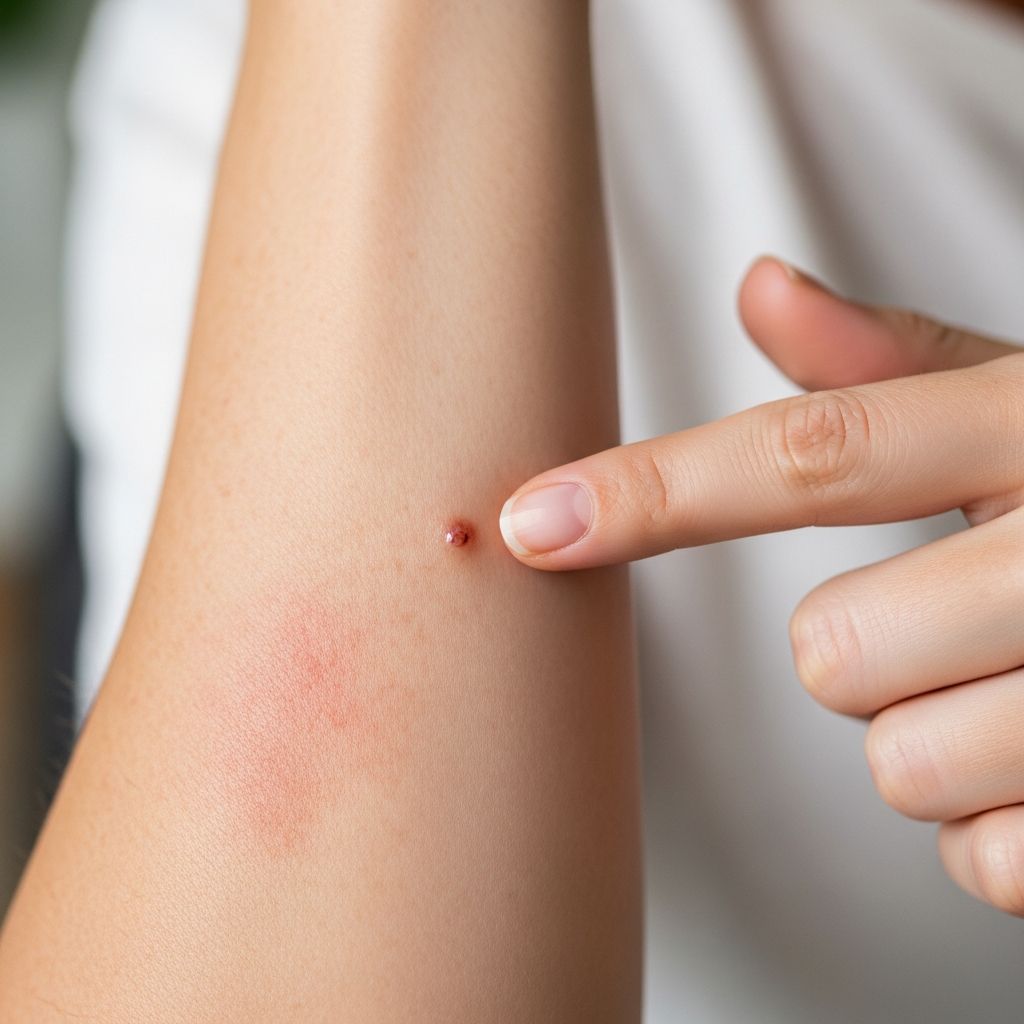
Individuals managing eczema face unique hurdles in monitoring their skin for potential malignancies due to persistent inflammation and barrier disruptions. Regular self-assessments remain crucial for timely identification of suspicious changes, complementing professional evaluations.
Understanding the Link Between Eczema and Elevated Skin Cancer Risks
Chronic inflammatory skin conditions like eczema can heighten vulnerability to skin cancers through multiple pathways. Prolonged immune dysregulation and frequent topical corticosteroid applications may impair local defenses, potentially fostering abnormal cell growth. Phototherapy treatments, commonly prescribed for severe atopic dermatitis, expose affected skin to ultraviolet radiation, mirroring known carcinogenic effects.
Research indicates that eczema patients undergoing extensive UV-based therapies exhibit increased incidences of non-melanoma skin cancers, including basal cell and squamous cell carcinomas. This association underscores the necessity for vigilant monitoring, as early intervention dramatically improves prognosis across all skin cancer types.
Why Self-Exams Matter for Those with Eczema
While authoritative bodies like the United States Preventive Services Task Force note insufficient evidence for routine clinician-led screenings in asymptomatic populations, self-directed exams fill a critical gap. For eczema sufferers, baseline skin mapping proves invaluable, allowing differentiation between disease flares and emerging threats.
The Centers for Disease Control and Prevention advocates regular personal skin inspections, particularly for high-risk groups, emphasizing checks of concealed areas such as the feet soles. This approach empowers patients to act swiftly on anomalies, bridging intervals between dermatologist visits.
Step-by-Step Guide to Effective Self-Skin Examinations
Conduct monthly full-body reviews in a well-lit environment using mirrors for comprehensive coverage. Document findings with photographs to track evolutions over time.
- Preparation: Gather tools including a full-length mirror, hand mirror, comb for scalp parting, and a notebook or app for records.
- Head and Neck: Part hair systematically; inspect face, ears, nose, and neck folds.
- Torso and Arms: Examine front, back, underarms, and palms; note elbow creases prone to eczema.
- Lower Body: Review legs, between toes, and soles; check genital areas gently.
- Completion: Compare against prior images; flag any deviations.
Navigating Eczema Challenges During Self-Checks
Active flares can obscure lesions, mimicking cancerous irregularities. Establish a “normal” baseline during quiescent phases, cataloging typical redness, scaling, and itch patterns specific to your eczema distribution.
Differentiate benign eczematous plaques—often symmetrical, pruritic, and responsive to emollients—from unilateral, non-itchy growths warranting scrutiny. Persistent ulceration or nodularity amid resolving dermatitis signals prompt medical referral.
The ABCDE Criteria: A Reliable Detection Framework
Adapted from clinician protocols, the ABCDE mnemonic guides anomaly identification, with sensitivity for melanoma detection ranging 40-70% in visual exams.
| Feature | Description | Eczema Considerations |
|---|---|---|
| A: Asymmetry | One half unlike the other | Contrast with symmetric bilateral eczema patches |
| B: Border | Irregular, notched, or blurred edges | Unlike smooth, defined flare margins |
| C: Color | Varied shades: black, brown, red, white, blue | Beyond uniform erythema of inflammation |
| D: Diameter | Larger than 6mm (pencil eraser size) | Growing despite stable eczema |
| E: Evolving | Any change in size, shape, color, or symptoms | New amid controlled dermatitis |
Beyond ABCDE, vigilance for the “ugly duckling” sign—lesions deviant from one’s mole pattern—is essential.
Tailored Strategies for Eczema-Affected Skin Areas
In chronically irritated zones like flexures, prioritize texture shifts: induration, crusting unresponsive to topicals, or hyperkeratotic horns. Actinic keratoses, rough precancerous spots from sun exposure, demand attention on photo-exposed extensor surfaces.
For immunosuppressed eczema patients on systemic therapies, threshold for evaluation lowers further, as infection risks compound neoplastic ones.
Phototherapy Patients: Heightened Vigilance Protocols
Narrowband UVB, a cornerstone for refractory eczema, necessitates intensified surveillance. Post-treatment skin exhibits accelerated photoaging, amplifying keratinocyte carcinoma risks. Schedule self-exams biweekly initially, transitioning to monthly, with professional checks every 3-6 months based on cumulative dosing.
Related Stories



Topical Steroids and Screening Considerations
Long-term potent corticosteroid use thins epidermis, potentially masking early lesions while fostering tachyphylaxis. Discontinue suspect topicals temporarily for unadulterated assessment if safe, consulting prescribers.
When to Escalate to Professional Care
Immediate dermatologist consultation merits for ABCDE positives, bleeding/oozing sites, non-healing sores exceeding 4 weeks, or pearly telangiectatic nodules suggestive of basal cell carcinoma. The American Academy of Dermatology urges self-advocacy, noting dermatologists’ superior diagnostic acumen.
Annual full-body exams by specialists are ideal for high-risk profiles, including fair-skinned individuals with sunburn history or numerous nevi.
Integrating Technology and Documentation Tools
Smartphone apps with AI lesion analysis, dermoscopes for home magnification, and tele-dermatology platforms enhance accuracy. Maintain dated photo archives, noting contextual factors like recent flares or treatments.
Preventive Measures to Complement Self-Monitoring
Broad-spectrum SPF 30+ sunscreens, reapplied every 2 hours outdoors, mitigate UV carcinogenesis. UPF 50+ clothing, hats, and shade-seeking form a robust photoprotection triad, crucial for phototherapy veterans.
Avoid peak sun (10 AM-4 PM); never use tanning devices. Antioxidant-rich diets and oral nicotinamide supplements show emerging promise in risk modulation.
Common Pitfalls in Self-Screening for Eczema Patients
- Misattributing malignancies to flares without temporal correlation.
- Inadequate concealed area inspection.
- Overreliance on apps sans professional validation.
- Delaying evaluation of subtle evolutions.
Building a Personalized Monitoring Routine
Calendar monthly checks post-shower when skin is taut. Enlist a partner’s assistance for back visualization. Track via journals detailing size, color, symptoms, and interventions.
FAQs on Self-Screening with Eczema
Can eczema make skin cancer harder to spot?
Yes, inflammation can camouflage changes; baseline documentation during calm periods aids distinction.
How often should I self-examine?
Monthly, per Skin Cancer Foundation guidelines, or more frequently post-phototherapy.[10]
What if I’m on immunosuppressants?
Increased frequency and lower suspicion thresholds apply; consult your dermatologist for tailored plans.
Is professional screening recommended?
Annually for most adults, per AAD; USPSTF deems evidence insufficient for general population but supports high-risk vigilance.
Does sunscreen interfere with self-checks?
No, daily application enhances visibility by reducing irritation; check beneath routinely.
Empowering Long-Term Skin Health
Mastering self-screening transforms eczema management from reactive to proactive, potentially lifesaving. Collaborate with dermatologists for risk-stratified protocols, leveraging multidisciplinary insights for optimal outcomes.
References
- Skin Cancer: Screening — United States Preventive Services Taskforce. 2023. https://www.uspreventiveservicestaskforce.org/uspstf/recommendation/skin-cancer-screening
- Screening for Skin Cancer — Centers for Disease Control and Prevention. 2024. https://www.cdc.gov/skin-cancer/screening/index.html
- How Often Do I Need a Skin Cancer Screening? — Longhorn Dermatology. 2024. https://www.longhornderm.com/national-healthy-skin-month-how-often-do-i-need-a-skin-cancer-screening/
- Skin Cancer Screening Guidelines: Who Needs It and When — Griffith Dermatology. 2023. https://www.robertcgriffithmd.com/blog/1376218-skin-cancer-screening-guidelines-who-needs-it-and-when/
- AAD Statement on USPSTF Recommendation on Skin Cancer Screening — American Academy of Dermatology. 2016. https://www.aad.org/news/aad-statement-uspstf-cancer-screeening
- Self-Exams — Skin Cancer Foundation. 2024. https://www.skincancer.org/early-detection/self-exams/
Similar Articles








Read full bio of medha deb