Eczema And Trauma: 5 Ways To Calm Stress-Driven Flares
Discover how emotional trauma and stress fuel eczema flares and learn holistic strategies for lasting relief and skin health.
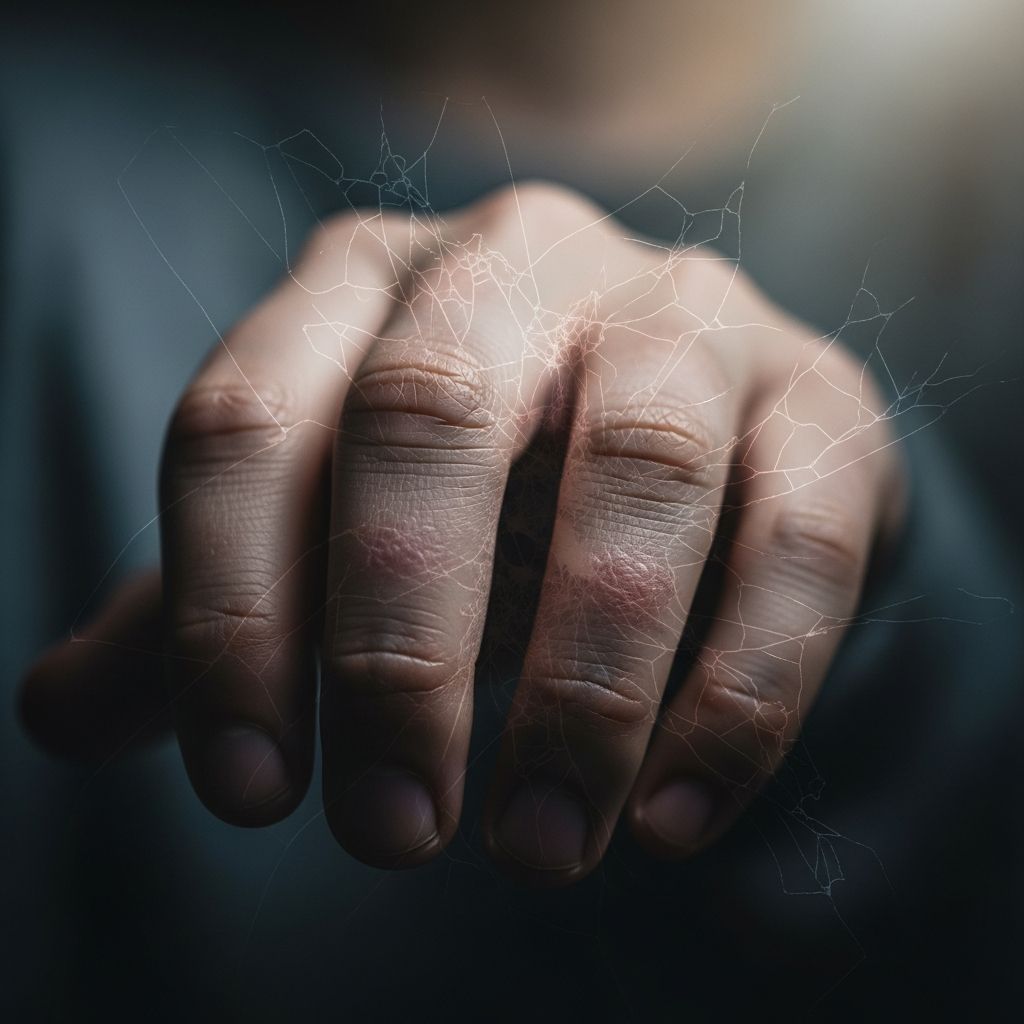
Eczema, a persistent inflammatory skin disorder, often intertwines with psychological factors like trauma and chronic stress, creating a vicious cycle that amplifies symptoms. Research indicates that individuals with atopic dermatitis face heightened risks of anxiety, depression, and even suicidal ideation, underscoring the need for integrated mind-body approaches.
The Mind-Skin Axis: How Emotions Drive Skin Inflammation
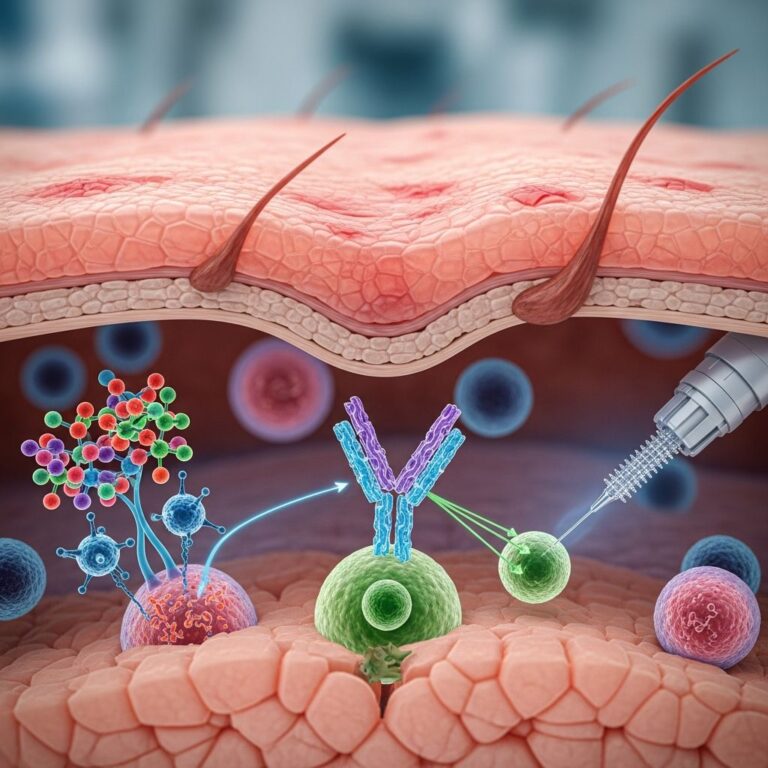
The connection between mental health and skin conditions stems from the body’s stress response system. When exposed to stressors, the hypothalamic-pituitary-adrenal (HPA) axis activates, releasing cortisol and other hormones that disrupt the skin barrier and promote inflammation. In eczema patients, this manifests as intensified itching, redness, and flares.
Chronic psychological stress alters the gut microbiome, which influences systemic inflammation. Prominent analyses suggest trauma contributes to over 80% of chronic inflammatory states, including eczema, by impairing immune regulation and digestive health. Patients frequently report that unforeseen stressors provoke pruritus more acutely than environmental triggers like cold weather.
Defining Trauma’s Spectrum in Eczema Context
Trauma manifests in varied forms, each capable of exacerbating eczema. Major events—such as abuse, loss, or discrimination—trigger profound physiological shifts, while subtler experiences like conditional parenting or societal pressures foster ongoing emotional suppression.
- Major Trauma: Life-altering incidents including physical/emotional abuse, bereavement, poverty, or medical procedures that overwhelm coping mechanisms.
- Minor Trauma: Cumulative micro-stresses from cultural norms, perfectionism, or suppressed emotions leading to self-dissociation.
These experiences heighten negative states like grief, anxiety, and exhaustion, which impair decision-making and self-awareness, further fueling skin symptoms.
Patient Perspectives: Stress as a Flare Catalyst
Focus group studies reveal unanimous agreement among eczema sufferers that psychological stress worsens both lesions and itch. Many describe stress “finding its way to the skin,” preceding flares with increased redness and persistence unresponsive to standard moisturizers.
Chronic stress outperforms acute episodes in severity, often blending with depression or anxiety. Patients note synergy with physiological triggers, complicating isolation but emphasizing holistic management. One account highlights daily exposure to agitated customers triggering evening pruritus, mitigated somewhat by anticipation.
Psychological Toll: Beyond the Skin
Eczema’s visibility invites stigma, isolation, and scrutiny, compounding emotional distress for patients and families. Caregivers endure psychosocial strain from disrupted sleep and regimen demands. Adults with atopic dermatitis exhibit up to threefold higher anxiety/depression rates, escalating with severity.
| Impact Area | Effects on Patients | Effects on Families |
|---|---|---|
| Mental Health | Anxiety, depression, suicidal ideation (44% higher risk) | Stress, sleep loss, caregiving burden |
| Social | Isolation, discrimination, low self-esteem | Emotional distress from public reactions |
| Physical | Impaired barrier repair, chronic itch | Regimen enforcement fatigue |
Sleeplessness from unrelenting itch links to self-harm risks, perpetuating the stress-skin loop.
Biological Mechanisms Unpacking the Cycle
Stress delays epidermal repair; experiments show stressed individuals heal skin stripping injuries slower due to hindered recovery processes. Inflammation signals travel via neural pathways, sensitizing itch receptors and amplifying scratching. Gut dysbiosis from trauma-induced stress elevates autoimmune risks nearly sevenfold.
Psychodermatology highlights eczema among conditions most tied to mental health comorbidities, with bidirectional influences: flares induce stress, which begets more flares.
Related Stories



Practical Pathways to Interrupt the Cycle
Managing eczema-trauma links demands multifaceted strategies. Stress reduction via mindfulness or cognitive behavioral therapy complements topical treatments.
- Awareness Building: Track emotional triggers and skin responses in a journal to discern patterns.
- Mindfulness Practices: Daily meditation or breathing exercises to regulate HPA axis.
- Professional Support: Therapy addressing trauma, such as EMDR, alongside dermatological care.
- Lifestyle Adjustments: Prioritize sleep hygiene, nutrition for gut health, and gentle exercise.
- Community Engagement: Share experiences in support groups to reduce isolation.
Reducing stress eases itch and dryness, even sans cure. Mental health providers craft tailored plans syncing with eczema regimens.
Real-Life Recovery Narratives
Young adults recount eczema’s mental toll: from self-esteem erosion to coping via therapy and peer support. One describes flares mirroring anxiety peaks, alleviated by professional intervention. These stories affirm that voicing struggles halves suicide risk.
FAQs: Eczema, Stress, and Trauma
Can stress alone cause eczema flares?
Yes, patients universally report stress worsening itch and lesions, often more than climate or allergens.
Is eczema linked to higher depression rates?
Adults face 3x risk; children show elevated anxiety/ADHD. Suicidal ideation rises 44%.
How does trauma affect the gut-skin connection?
Trauma disrupts microbiome, sparking inflammation that manifests as eczema.
What if eczema causes my stress?
Bidirectional: Flares induce anxiety, which intensifies flares. Holistic care addresses both.
Are there therapies for trauma-related eczema?
Combine dermatology with psychotherapy; stress management programs yield symptom relief.
Building Resilience: Long-Term Outlook
Holistic care fosters resilience by targeting root emotional drivers. Early intervention prevents escalation, promoting skin and mental well-being. Families benefit from open dialogues and shared resources, cultivating supportive networks.
While challenges persist, evidence supports trauma-informed strategies for remission. Consult specialists for personalized plans integrating psychodermatology.
References
- Understanding How Trauma, Stress, and Anxiety Contribute to Eczema — MGI Clinic. 2023. https://www.mgiclinic.com/understanding-how-trauma-stress-and-anxiety-contribute-to-eczema/
- Eczema Physical and Emotional Effects — Rady Children’s Hospital San Diego. 2024. https://www.rchsd.org/programs-services/dermatology/eczema-and-inflammatory-skin-disease-center/physical-and-emotional-effects/
- Psychological Stress and Atopic Dermatitis: A Focus Group Study — PMC (Peer-reviewed). 2023-10-01. https://pmc.ncbi.nlm.nih.gov/articles/PMC10579569/
- The Mind-Body Connection — National Eczema Society. 2024. https://eczema.org/blog/the-mind-body-connection/
- Eczema and Mental Health – Managing Stress — National Eczema Association. 2025. https://nationaleczema.org/eczema-management/stress/
- Psychodermatology: Skin-Mental Health Connections — American Psychiatric Association. 2024. https://www.psychiatry.org/news-room/apa-blogs/psychodermatology-skin-mental-health-connections
Similar Articles








Read full bio of medha deb