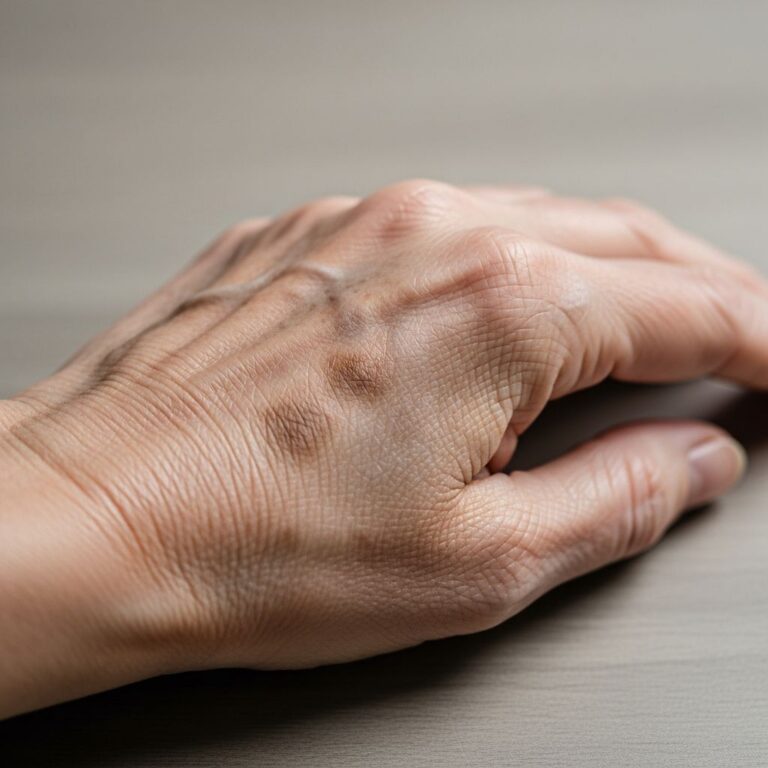
Eczema: Causes, Symptoms, And Treatment Essentials
Everything you need to know about eczema symptoms, causes, treatments, and living with this common itchy skin condition.
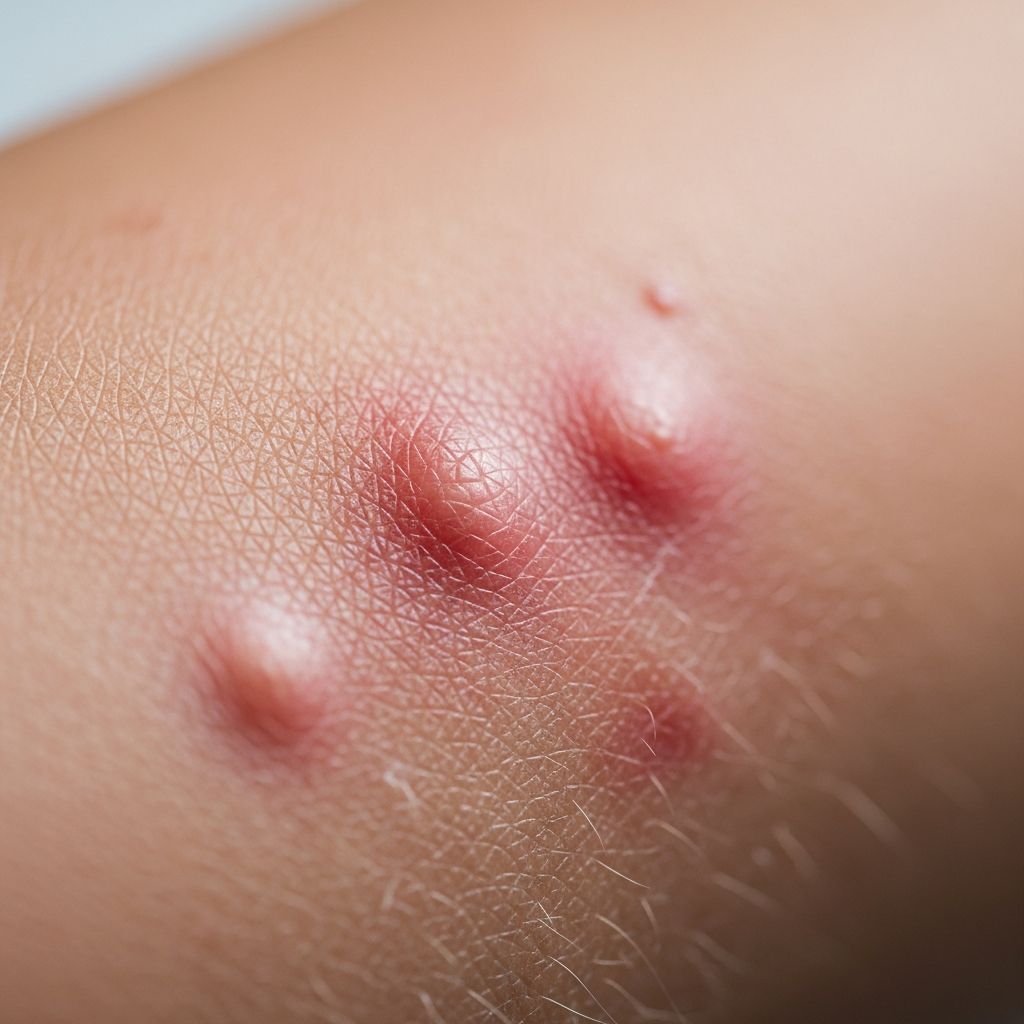
Eczema, also known as atopic dermatitis, is a chronic, non-infectious inflammatory skin condition characterized by intense itching and red, inflamed rashes that flare up periodically. Affecting over 31 million Americans, or nearly 10% of the population, it is most common in children but can persist into adulthood. While there is no cure, proper skin care, trigger avoidance, and medical treatments can effectively manage symptoms and prevent flare-ups.
What Is Eczema?
Eczema refers to a group of conditions causing dry, itchy, and inflamed skin, with atopic dermatitis being the most prevalent type. The skin barrier is compromised, leading to moisture loss, irritation, and susceptibility to irritants and allergens. Rashes are not contagious and typically appear in bouts, improving with treatment but recurring when triggered. In children, it often starts before age 5, with about 60% outgrowing it by adolescence, though 2-3% of adults are affected.
Symptoms of Eczema
The hallmark symptom of eczema is severe, unrelenting itching that worsens at night and can disrupt sleep. Other symptoms vary by stage and age:
- Acute phase: Red, inflamed skin with intense itching; blisters that weep clear fluid when burst.
- Subacute phase: Dry, scaly, peeling skin as the rash heals.
- Chronic phase: Thickened, rough, cracked skin (lichenification) from repeated scratching.
Symptoms also differ by skin tone and age. On lighter skin, rashes appear red and inflamed; on darker skin, they may show as hyperpigmented (darker) or hypopigmented (lighter) patches.
Symptoms by Age
Eczema presentation changes as children grow:
| Age Group | Common Locations | Key Symptoms |
|---|---|---|
| Babies (under 2 years) | Scalp, cheeks, face | Rashes bubble up, leak fluid; extreme itchiness interfering with sleep |
| Children (2 years to puberty) | Elbows/knees creases, neck, wrists, ankles, buttocks crease | Bumpy rashes, color changes (lighter/darker), skin thickening (lichenification), permanent itch |
| Adults | Hands, neck, face, eyelids, flexural areas | Dry, scaly patches; thickened, discolored skin; open, crusted, weeping sores; flushing |
Scratching exacerbates symptoms, leading to infections with crusting, oozing, and increased redness.
Causes and Risk Factors
Eczema results from a combination of genetic, immune, and environmental factors disrupting the skin barrier. Key contributors include:
- Genetics: Mutations in the FLG gene reduce filaggrin production, impairing skin moisture retention and fat balance.
- Immune system: Overactive responses produce inflammation-triggering antibodies, especially in atopic eczema (30-40% of cases linked to allergies like hay fever or asthma).
- Microbiome: Imbalance allowing bacteria like Staphylococcus aureus to overgrow and infect damaged skin.
- Environmental triggers: Irritants, allergens, and climate changes.
Family history increases risk, and atopic eczema often involves allergens like dust mites, pollen, milk, eggs, nuts, or fish detectable via blood antibodies.
Triggers of Eczema Flare-Ups
Identifying personal triggers is crucial for management. Common ones include:
- Irritants: Soaps, detergents, wool, synthetic fabrics, cleaning products.
- Allergens: Dust mites, pet dander, pollen, certain foods (dairy, eggs, nuts, soy, wheat).
- Weather: Dry air, extreme hot/cold temperatures, low humidity, sweating.
- Stress: Worsens symptoms though not a direct cause.
- Hormones: Fluctuations during pregnancy or menstrual cycles in females.
Related Stories



Avoiding these reduces flare frequency.
Types of Eczema
Beyond atopic dermatitis, other forms include:
- Contact dermatitis: Allergic or irritant-induced.
- Dyshidrotic eczema: Small blisters on hands/feet.
- Nummular eczema: Coin-shaped patches.
- Seborrheic dermatitis: Scaly patches on scalp/face.
Atopic dermatitis remains the focus due to prevalence.
Diagnosis
Diagnosis is clinical, based on history and rash appearance—no specific test exists. Doctors assess itchiness, rash distribution, and chronicity. Patch testing identifies allergens; blood tests detect antibodies in atopic cases. Skin biopsies are rare. Ruling out infections or other conditions (e.g., psoriasis) is essential.
Treatment Options
Treatment aims to relieve symptoms, heal skin, and prevent flares using a stepped approach.
Basic Daily Care
- Emollients: Thick, fragrance-free moisturizers applied twice daily (or more) to restore barrier, reduce itching, and prevent infections. Use after bathing on damp skin.
- Gentle cleansing: Use soap substitutes; pat dry, avoid rubbing.
Topical Medications
- Corticosteroids: Ointments/creams for acute flares (e.g., hydrocortisone); low-potency for face, higher for body. Proactive use 2x/week prevents relapses. Side effects rare with proper use.
- Topical calcineurin inhibitors: Pimecrolimus, tacrolimus for sensitive areas like face/neck; long-term safe.
- Barrier repair creams: Reduce water loss.
Advanced Treatments
- Phototherapy: UV light for moderate cases.
- Systemic therapies: Oral steroids, immunosuppressants, or biologics (e.g., dupilumab) for severe eczema.
- Antibiotics: For bacterial infections (e.g., Staph aureus).
Home Remedies and Lifestyle Tips
- Keep nails short to minimize scratching damage.
- Wear cotton clothing; avoid wool/synthetics.
- Use humidifiers in dry environments.
- Try natural options like aloe vera or coconut oil cautiously, as evidence is limited.
Prevention and Management
Prevent flares by moisturizing daily, avoiding triggers, and following “soak and seal” (bathe briefly in lukewarm water, then apply emollient). Track flares in a journal. Remission periods occur, but vigilance is key—many improve over time, especially children.
Living with Eczema
Eczema impacts quality of life via itch-sleep cycles and emotional stress, but education and adherence yield control. Support groups and mental health care help. Infants often see half outgrow it. Consult dermatologists for personalized plans.
Frequently Asked Questions (FAQs)
What causes eczema?
Eczema stems from genetic skin barrier defects (e.g., FLG gene), immune overreactions, and environmental triggers like irritants or allergens.
Is eczema contagious?
No, eczema rashes are not contagious; secondary infections from scratching may require antibiotics but aren’t spread person-to-person.
Can eczema be cured?
There is no cure, but symptoms can be managed effectively to achieve long remissions, with many children outgrowing it.
How is eczema treated in babies?
Use emollients frequently, mild topical steroids for flares, and avoid irritants; severe cases may need specialist input.
Does diet affect eczema?
Food allergens (milk, eggs, nuts) trigger some, especially atopics; elimination diets under medical supervision may help.
References
- Overview: Eczema – InformedHealth.org — NCBI Bookshelf. 2023 (updated). https://www.ncbi.nlm.nih.gov/books/NBK279399/
- Eczema (atopic dermatitis): Symptoms, treatment, and more — Medical News Today. 2023-10-26. https://www.medicalnewstoday.com/articles/14417
- Eczema: What It Is, Symptoms, Causes, Types & Treatment — Cleveland Clinic. 2023-08-23. https://my.clevelandclinic.org/health/diseases/9998-eczema
Similar Articles








Read full bio of Sneha Tete