Eczema: 4 Evidence-Based Ways To Rebuild Confidence
Discover how eczema erodes self-esteem, fuels anxiety, and disrupts lives—and learn proven strategies to rebuild confidence and reclaim control.
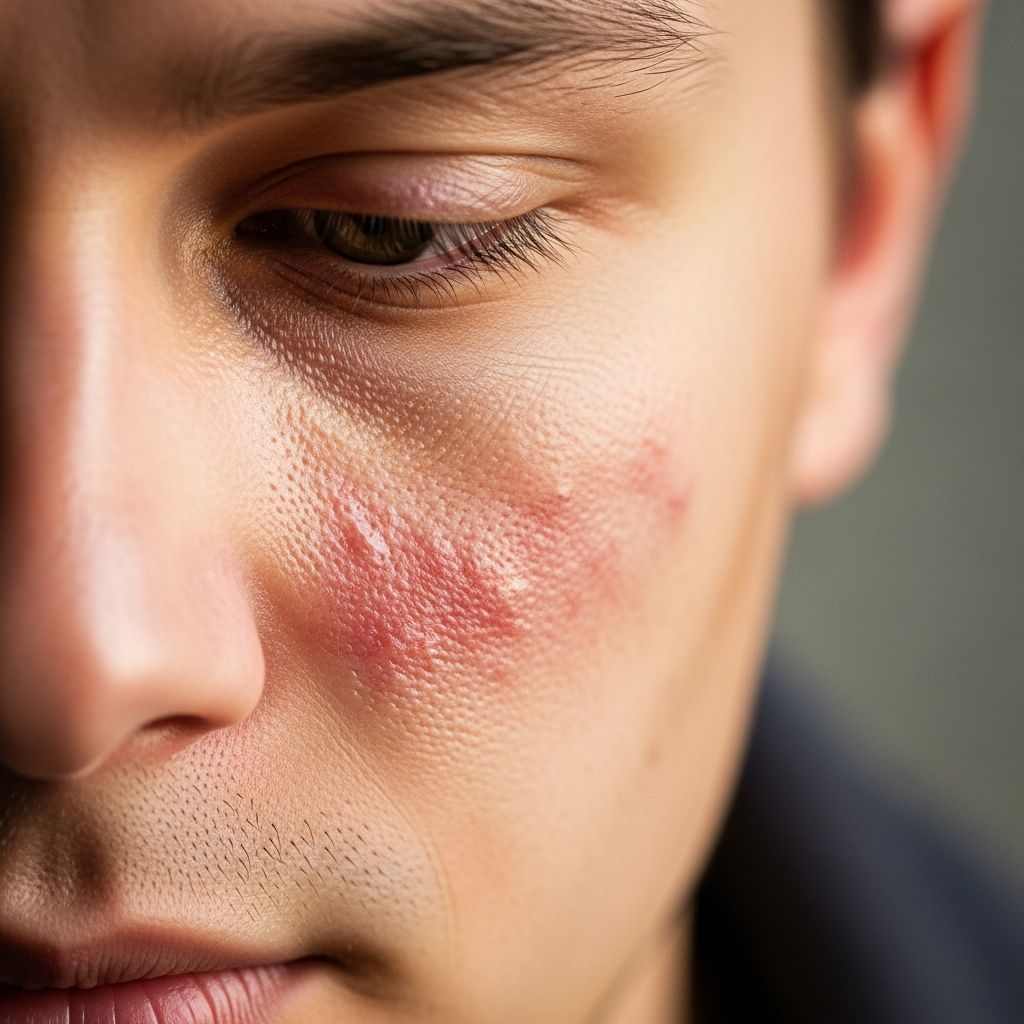
Eczema, a chronic inflammatory skin condition, extends far beyond physical discomfort, deeply affecting individuals’ emotional well-being and self-perception. Research consistently shows that people with eczema experience significantly lower self-esteem and heightened psychological distress compared to those without skin disorders. This article delves into the intricate relationship between eczema and confidence, highlighting scientific insights, real-world impacts, and practical pathways to recovery.
The Psychological Burden of Visible Skin Conditions
Skin disorders like eczema often manifest visibly, leading to profound self-consciousness and social withdrawal. Studies reveal that patients with eczema and similar conditions exhibit lower overall self-esteem levels, even after medical treatments. For instance, statistical analyses demonstrate significant differences in self-esteem scores between eczema patients and control groups, with eczema sufferers scoring notably lower both before and after treatment phases (F(2,159) = 13.05, p < .001).
This emotional strain arises from constant itching, flaring rashes, and the unpredictability of symptoms, which erode one’s sense of control. Acne patients, whose conditions are similarly visible, show even lower self-esteem than those with psoriasis or eczema, underscoring the role of facial visibility in psychological impact. Eczema’s flares can make everyday activities daunting, fostering a cycle of avoidance and isolation.
Links Between Eczema, Anxiety, and Depression
Mental health challenges are prevalent among eczema patients. Surveys indicate that elevated anxiety and depression levels correlate strongly with poorer quality of life. In one study, eczema sufferers reported higher anxiety scores (M = 7.94, SD = 5.16) than population averages (M = 4.9, SD = 4.8), and depression scores (M = 22.49, SD = 11.27) far exceeding norms (M = 9.25, SD = 8.58).
Regression models confirm these connections: anxiety predicts a 1.07-unit decrease in quality of life per unit increase (t(76) = −3.79, p < 0.001), while depression predicts a 0.99-unit drop (t(76) = −5.55, p < 0.001). Alarmingly, 21.3% of eczema patients reported recent suicidal ideation, compared to 0% in controls, emphasizing the severity of this emotional toll.
| Factor | Impact on Quality of Life | Statistical Significance |
|---|---|---|
| Anxiety | Negative correlation; higher anxiety lowers QoL | p < 0.001 |
| Depression | Strong negative predictor | p < 0.001 |
| Self-Management | Reduced influence when anxiety/depression present | Accounts for 4% variance (p = 0.04) |
These findings illustrate how eczema amplifies mental health vulnerabilities, creating a feedback loop where stress exacerbates flares and vice versa.
How Eczema Disrupts Daily Life and Relationships
The ripple effects of eczema touch every aspect of life. A national survey found 53% of moderate-to-severe atopic dermatitis patients reported negative daily life impacts, with 55% noting reduced confidence and 49% experiencing sleep disruptions. Many adapt by avoiding social events (82% make lifestyle changes), skipping photos, or limiting exercise.
- Social Isolation: Fear of judgment leads to skipped gatherings, straining friendships and romantic ties.
- Career Choices: Some opt for remote work to hide flares, limiting advancement opportunities.
- Sleep and Productivity: Itching disrupts rest, fueling daytime fatigue and irritability.
Up to 70% of patients report significant mental health impacts in the past year, highlighting the condition’s pervasive influence.
Related Stories



Self-Management: A Double-Edged Sword
Effective self-management—such as adhering to treatments, monitoring triggers, and maintaining routines—can mitigate symptoms but is often undermined by mental health issues. Research shows self-management accounts for less variance in quality of life when anxiety and depression are high, explaining only 4% alone but contributing to 41.1% combined.
Key self-management practices include:
- Moisturizing regularly to barrier skin.
- Identifying and avoiding triggers like allergens or stress.
- Using prescribed topicals promptly during flares.
- Incorporating anti-inflammatory diets and stress reduction.
However, low self-management correlates with worse outcomes, particularly when psychological barriers persist.
Rebuilding Confidence: Evidence-Based Strategies
Restoring self-assurance requires a multifaceted approach. Psychological interventions, like cognitive-behavioral therapy (CBT), help reframe negative self-perceptions. Support networks prove vital; studies link higher perceived social support to better self-esteem in skin disorder patients.
Mindfulness and Stress Reduction: Techniques such as meditation reduce flare triggers, with stress shown to worsen atopic eczema severity.
Professional Support: Dermatologists should screen for mental health routinely, given the 21.3% suicidal ideation rate. Integrated care addressing skin and psyche yields superior results.
- Daily Affirmations: Counter visibility shame with positive self-talk.
- Support Groups: Connecting with peers normalizes experiences.
- Appearance-Enhancing Tools: Concealers and breathable clothing boost outward confidence.
- Holistic Therapies: Yoga or acupuncture for mind-body balance.
Holistic Treatment Approaches for Lasting Relief
Modern management combines topicals, biologics, and lifestyle tweaks. Recent guidelines emphasize shared decision-making and education to empower patients. For severe cases, phototherapy or systemic meds reduce flares, indirectly lifting mood.
Nutritional strategies, like omega-3 supplementation, show promise in reducing inflammation. Sleep hygiene—cool environments, breathable fabrics—addresses a key confidence saboteur.
Patient Stories: Triumph Over Insecurity
Many reclaim their lives through persistence. Consider cases where post-treatment self-esteem improves marginally but combines with therapy for breakthroughs. Shared narratives reveal common themes: initial despair yielding to empowerment via education and community.
“Eczema tested my limits, but learning to manage it mentally transformed my self-view.” – Anonymous patient insight inspired by research trends.
FAQs
Does eczema permanently damage confidence?
No, with proper treatment and psychological support, many regain strong self-esteem. Studies show persistent low self-esteem post-treatment, but interventions help.
Can stress make eczema worse?
Yes, stress exacerbates symptoms, creating a vicious cycle. Psychosocial factors significantly influence severity.
How common is anxiety in eczema patients?
Very common; sample means exceed population averages, with strong links to quality of life declines.
What role does social support play?
Crucial—lower perceived support correlates with poorer self-esteem in eczema and other skin conditions.
Should I seek mental health help for eczema?
Absolutely, especially with suicidal thoughts (21.3% prevalence). Routine screenings are recommended.
Long-Term Outlook: Hope on the Horizon
Advances in biologics and personalized care promise better control, reducing psychological burdens. Patients prioritizing mental health alongside skin management report enhanced life quality. By addressing the unseen scars, individuals can emerge resilient.
References
- Psychological Impact of Skin Disorders on Patients’ Self-esteem and Perceived Social Support — Dermatol Journal. 2023. https://www.dermatoljournal.com/articles/psychological-impact-of-skin-disorders-on-patients-self-esteem-and-perceived-social-support.html
- The influence of self‐management, anxiety and depression on eczema‐related quality of life — PMC (Wiley). 2022-11-28. https://pmc.ncbi.nlm.nih.gov/articles/PMC9720206/
- Eczema and Emotional Toll — LearnSkin. 2023. https://www.learnskin.com/articles/eczema-and-emotional-toll/
- New Survey Reveals the Widespread and Serious Impact of Moderate to Severe Atopic Dermatitis — Sanofi US News. 2016-10-05. https://www.news.sanofi.us/2016-10-05-New-Survey-Reveals-the-Widespread-and-Serious-Impact-of-Moderate-to-Severe-Atopic-Dermatitis-on-People-Living-with-the-Disease
- Mental Health and Eczema – Seeing the Unseen — National Eczema Association. 2023. https://nationaleczema.org/blog/mental-health-science/
- As Many as 7 in 10 Patients Report Significant Mental Health Impact from Eczema — DermNPPA. 2023. https://dermnppa.org/as-many-as-7-in-10-patients-report-significant-mental-health-impact-from-eczema/
- Social and psychosocial effects on atopic eczema symptom severity — Wiley Online Library. 2021. https://onlinelibrary.wiley.com/doi/10.1111/jdv.16950
Similar Articles








Read full bio of medha deb