Eczema’s Hidden Toll on Mental Well-Being
Discover how chronic eczema disrupts mental health, backed by recent studies showing heightened risks of depression and anxiety in patients.

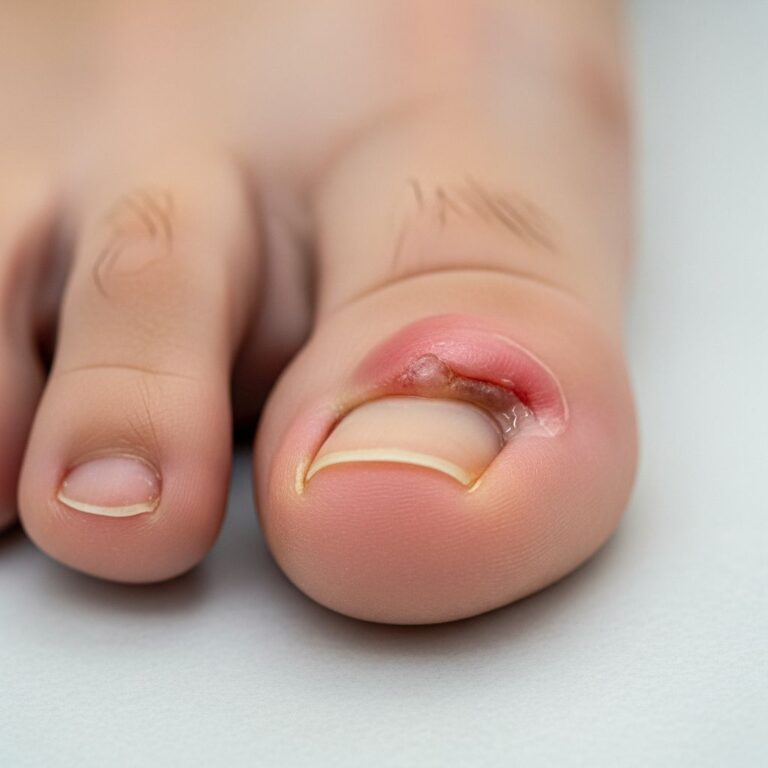
Chronic skin conditions like eczema, medically termed atopic dermatitis, extend far beyond physical discomfort. They infiltrate emotional landscapes, fostering environments ripe for mental health struggles. Recent investigations reveal that a substantial portion of individuals grappling with this condition endure frequent episodes of poor mental states, underscoring the need for integrated care approaches that address both skin and psyche.
The Prevalence of Mental Strain in Eczema Patients
Surveys indicate that eczema profoundly affects daily emotional experiences. For instance, among those surveyed, 72% reported experiencing poor mental health symptoms for at least 1-10 days in the preceding month, with 17% facing such issues for over 11 days. This highlights how pervasive the psychological burden is, even among those with mild severity levels, where 36% classified their condition as such.
Furthermore, up to 70% of patients or caregivers note that eczema has negatively influenced mental health within the past year. These figures paint a picture of a condition that disrupts not just sleep and social interactions but core emotional stability, demanding attention from healthcare providers.
Scientific Evidence Linking Eczema to Depression and Anxiety
Longitudinal studies provide robust evidence of causal pathways. Adults with atopic eczema face a 14% higher incidence of new-onset depression and a 17% elevated risk for anxiety compared to those without the condition. This association strengthens with disease severity, exhibiting a clear dose-response pattern that bolsters arguments for direct causality.
Researchers matched over 526,000 eczema patients against more than 2.5 million controls, adjusting for factors like age, sex, and socioeconomic status. The hazard ratio for depression stood at 1.14 (99% CI: 1.12-1.16), and for anxiety at 1.17 (99% CI: 1.14-1.19). Such metrics reveal an attributable excess risk of approximately 160 per 100,000 person-years for depression linked specifically to eczema.
Comparative analyses extend this to severe mental illnesses, where eczema patients show a 26% greater overall risk. These findings emphasize that visible, itchy skin alterations contribute to psychological vulnerabilities through mechanisms like chronic itch, sleep deprivation, and perceived stigma.
Mechanisms Driving the Mind-Skin Connection
- Chronic Itch and Sleep Disruption: Persistent scratching cycles interrupt rest, elevating stress hormones and impairing mood regulation. Daily itching affects 86% of patients, compounding fatigue and irritability.
- Social Stigma and Isolation: Visible rashes lead to stares, avoidance, or discrimination, fostering feelings of shame and withdrawal. This social impairment mirrors patterns seen in other stigmatized conditions.
- Emotional and Behavioral Fallout: The unpredictability of flares triggers anxiety about triggers and appearances, while pain from cracked skin amplifies frustration and hopelessness.
These intertwined factors create a feedback loop: mental distress worsens skin symptoms via stress-induced flares, perpetuating the cycle. Poor sleep from eczema, in particular, heightens mental illness susceptibility, as corroborated by multiple studies.
Patient and Caregiver Experiences
Real-world accounts reveal gaps in care. In one study of 954 participants, 57% had never been queried about mental health by their allergist, and 35% never raised it themselves. Only 45% received referrals to mental health resources, despite 23% incorporating allergists into their care team.
Caregivers of pediatric patients echo these sentiments, with two-thirds believing atopic dermatitis harms mental health. Children and teens face bullying or self-esteem dips, while adults report broader quality-of-life erosions, including work absenteeism and relationship strains.
Related Stories



| Aspect | Mild Eczema | Moderate/Severe | Overall Impact |
|---|---|---|---|
| Poor Mental Health Days (Past Month) | ~70% | Higher Incidence | 72% (1-10 days) |
| Depression Risk Increase | Baseline Elevated | Dose-Dependent Rise | 14% HR 1.14 |
| Anxiety Risk Increase | Consistent | Amplified | 17% HR 1.17 |
| Mental Health Discussion with Provider | Infrequent | Often Overlooked | 57% Never Asked |
This table summarizes key metrics, illustrating how even milder cases carry psychological weight, with escalation in severer forms.
Barriers to Addressing Mental Health in Eczema Care
Healthcare fragmentation poses challenges. Allergists, often primary providers for 13% of cases, focus on atopic comorbidities like asthma but under-discuss psyche. Patients hesitate due to stigma or assumption that skin control suffices.
Pediatric contexts amplify issues: emotional problems manifest as behavioral challenges, yet screening remains inconsistent. Opportunities exist to evolve standards, integrating routine mental health queries into dermatologic visits.
Strategies for Holistic Management
Effective management demands a bio-psycho-social lens. Key approaches include:
- Optimized Skin Control: Biologics and topicals reduce itch, indirectly alleviating mood burdens by improving sleep and appearance.
- Mental Health Screening: Implement tools in clinics to identify at-risk patients early, especially those with severe or comorbid disease.
- Therapeutic Support: Cognitive-behavioral therapy (CBT) targets itch-anxiety loops; mindfulness aids stress reduction.
- Lifestyle Integration: Sleep hygiene, support groups, and education empower patients to break cycles.
- Multidisciplinary Teams: Collaborate dermatologists, allergists, psychologists for comprehensive plans.
Studies affirm that better eczema control via advanced therapies may mitigate mental risks, positioning treatment as preventive mental health care.
Future Directions in Research and Policy
Ongoing trials explore interventions blending dermatologic and psychologic care. Policy shifts could mandate mental health discussions in eczema guidelines, mirroring successes in other chronic illnesses. With eczema affecting millions, population-level impacts warrant targeted screenings and resource allocation.
Longitudinal data gaps persist, particularly for diverse demographics and long-term outcomes post-treatment. Filling these will refine risk stratification and personalized interventions.
Frequently Asked Questions (FAQs)
Does eczema directly cause depression?
Evidence supports a strong association, with a 14% increased incidence of new depression diagnoses in eczema patients, likely driven by severity-dependent factors like itch and stigma.
How common is anxiety in people with eczema?
Anxiety risk rises 17%, with 72% reporting poor mental health symptoms recently. Daily itch in 86% exacerbates this.
Should I talk to my doctor about mental health and eczema?
Yes; only 45% get referrals despite needs. Proactive discussions can unlock support.
Can treating eczema improve my mental health?
Yes, better control reduces triggers like poor sleep, potentially lowering mental illness risks.
Are children with eczema at higher mental health risk?
Absolutely; two-thirds of caregivers report impacts, including behavioral issues from stigma.
Key Takeaways
- Eczema elevates depression and anxiety risks by 14-17%, with dose-response to severity.
- 72% endure poor mental health days monthly; discussions with providers lag.
- Holistic care integrating mental support is essential for full relief.
References
- Survey: 72% of Eczema Patients Suffered Poor Mental Health Symptoms — ACAAI. 2023-11-09. https://acaai.org/news/survey-72-of-eczema-patients-suffered-poor-mental-health-symptoms-for-1-10-days-in-past-month/
- NEA Publishes New Paper on Mental Health and Eczema — National Eczema Association. N/A. https://nationaleczema.org/blog/new-paper-on-mental-health-and-eczema/
- As Many as 7 in 10 Patients Report Significant Mental Health Impact from Eczema — DermNPPA. N/A. https://dermnppa.org/as-many-as-7-in-10-patients-report-significant-mental-health-impact-from-eczema/
- Atopic Eczema in Adulthood and Risk of Depression and Anxiety — PMC (Peer-reviewed). 2020-01-21. https://pmc.ncbi.nlm.nih.gov/articles/PMC6947493/
- Understanding the Impact of Eczema, Psoriasis on Risk of Severe Mental Illness — AJMC. N/A. https://www.ajmc.com/view/understanding-the-impact-of-eczema-psoriasis-on-risk-of-severe-mental-illness
- Eczema Statistics — National Eczema Association. N/A. https://nationaleczema.org/eczema-facts/
- Eczema Statistics — Allergy & Asthma Network. N/A. https://allergyasthmanetwork.org/what-is-eczema/eczema-statistics/
Similar Articles








Read full bio of Sneha Tete