Eczema Sleep: 3 Proven Bedtime Routines To Reduce Night Itch
Discover how eczema disrupts restful nights and practical strategies to reclaim better sleep for improved daily wellness.
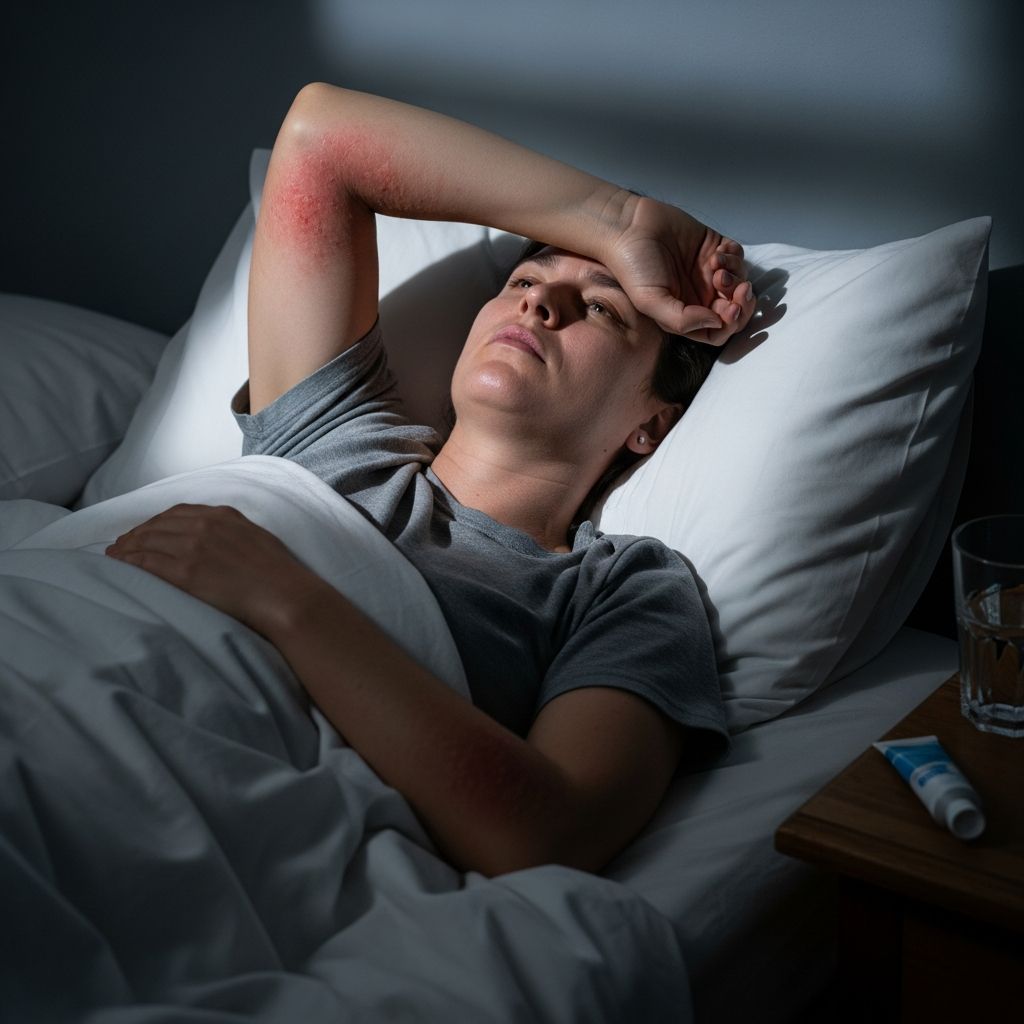
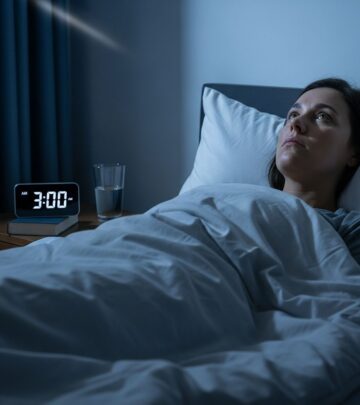
Eczema, also known as atopic dermatitis, frequently interferes with sleep due to intensified itching at night, leading to frequent awakenings and reduced sleep quality. This disruption affects millions, creating a cycle that worsens skin symptoms and overall health.
The Nighttime Itch Cycle Explained
During evening hours, eczema symptoms often peak because of circadian rhythms that heighten skin sensitivity and lower pain thresholds. Itching prompts scratching, which damages the skin barrier, perpetuates inflammation, and prolongs discomfort. Research indicates that 80% of adults with atopic eczema report sleep issues, while children face double the insomnia risk compared to peers.
A study of adults in Saudi Arabia found that frequent skin symptoms correlate directly with poor sleep scores, with patients experiencing difficulty falling asleep, nighttime awakenings, and pain-related insomnia. Similarly, U.S. data on over 3 million school-aged children shows 67% with eczema suffer sleep disturbances tied to itch severity.
How Poor Sleep Amplifies Eczema Severity
Sleep deprivation impairs immune function and stress hormone regulation, both critical for skin repair. This creates a vicious loop: restless nights exacerbate flares, and flares disrupt more sleep. In children, this manifests as daytime fatigue hindering school performance, while adults report mood instability and cognitive fog.
- Fatigue: Persistent tiredness reduces adherence to skincare routines.
- Mental Health: Increased anxiety and depression risk from chronic unrest.
- Physical Health: Higher vulnerability to infections and weight changes.
Daily Life Disruptions from Eczema-Related Insomnia
The ripple effects extend beyond the bedroom. Daytime sleepiness impairs concentration, productivity, and safety, with studies linking eczema sleep issues to fair/poor health ratings. Families face added strain, as parents of affected children endure fragmented rest too.
| Impact Area | Effects in Adults | Effects in Children |
|---|---|---|
| Work/School | Reduced focus, absenteeism | Learning delays, behavioral issues |
| Mood | Irritability, depression | Anxiety, fatigue |
| Social | Withdrawn interactions | Play limitations |
| Health | Immune weakening | Growth impacts |
Environmental Factors Worsening Nighttime Symptoms
Bedroom conditions play a pivotal role. Heat, allergens, and irritants amplify itching. Memory foam traps warmth, while dust mites in bedding trigger reactions. Optimal sleep environments prioritize breathability and cleanliness.
Proven Bedtime Routines for Eczema Relief
Establishing consistent habits can break the itch-scratch-sleep cycle. Start with a lukewarm shower to cleanse without stripping oils, followed by thick emollients to lock in moisture.
- Apply moisturizer within 3 minutes post-bath.
- Use wet wraps during flares for intensified hydration.
- Dress in loose, breathable cotton sleepwear.
Avoid stimulants like caffeine after noon and heavy meals near bedtime. Dim lights and unplug devices an hour before sleep to boost melatonin production.
Optimizing Your Sleep Sanctuary
Transform your bedroom into an eczema-friendly haven:
- Select cotton or linen sheets; wash weekly without softeners.
- Use synthetic, hypoallergenic pillows and duvets.
- Maintain cool temperatures (60-67°F) with fans or AC.
- Vacuum regularly to minimize dust; choose washable toys.
Related Stories



For children, cotton mittens prevent unconscious scratching, and top bunks reduce dust exposure.
Medical Interventions and When to Seek Help
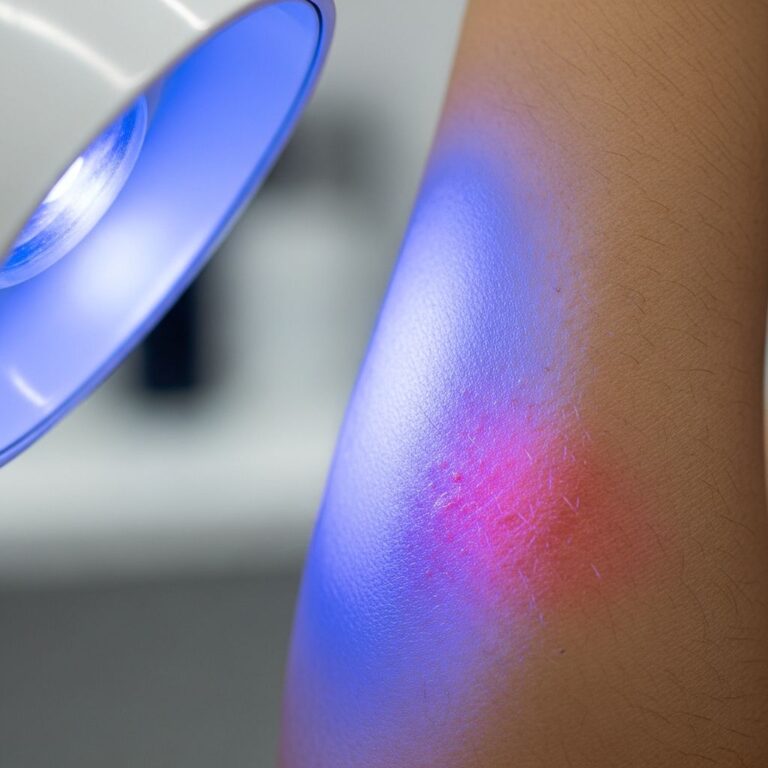
Topical steroids or calcineurin inhibitors control flares, indirectly aiding sleep. For severe cases, oral antihistamines or phototherapy may be prescribed. Consult a dermatologist if sleep issues persist despite routines, as undiagnosed apnea could coexist.
Recent research advocates routine sleep assessments in eczema management, given correlations with symptom frequency.
Lifestyle Adjustments for Long-Term Gains
Daytime sunlight exposure regulates circadian rhythms, but apply broad-spectrum sunscreen. Moderate exercise earlier in the day promotes deeper sleep without overheating. Stress reduction via meditation complements skincare.
Special Considerations for Pediatric Eczema
Children with eczema sleep most soundly during coolest body phases (2-4 a.m.), but awakenings fragment this. Parental empathy and consistent routines foster resilience. Studies confirm 61% face daytime impairments, underscoring early intervention.
FAQs
Why does itching worsen at night with eczema?
Circadian changes increase itch perception and reduce distraction, peaking sensations.
Can better sleep improve my eczema?
Yes, restorative sleep enhances skin barrier repair and reduces inflammation.
What if home tips don’t work?
See a specialist for advanced therapies; track sleep with apps for data.
Is eczema-linked insomnia common in kids?
Highly prevalent; over 3 million U.S. children affected with disturbances.
Are there diet tips for better sleep?
Avoid late heavy foods and caffeine; prioritize anti-inflammatory options.
References
- Eczema and trouble sleeping — Pierre Fabre Eczema Foundation. 2023. https://www.pierrefabreeczemafoundation.org/en/be-acompanied/useful-advice/eczema-and-trouble-sleeping
- Correlation Between Atopic Dermatitis and Sleep Quality — PMC/NCBI. 2021-01-11. https://pmc.ncbi.nlm.nih.gov/articles/PMC7802111/
- Itchy eczema and bad sleep in 3 million school-aged children — American Academy of Allergy, Asthma & Immunology. 2021. https://www.aaaai.org/tools-for-the-public/latest-research-summaries/the-journal-of-allergy-and-clinical-immunology-in/2021/itchy
- Sleep Tips for Severe Eczema — WebMD. 2023. https://www.webmd.com/skin-problems-and-treatments/eczema/eczema-sleep-tips
- Sleep and eczema — National Eczema Society. 2023. https://eczema.org/information-and-advice/living-with-eczema/sleep-and-eczema/
- Why people with eczema have trouble sleeping — National Eczema Association. 2023. https://nationaleczema.org/blog/eczema-leads-to-problems-sleeping/
Similar Articles








Read full bio of medha deb