Eczema’s Inner Battle: Overcoming Self-Criticism
Discover how eczema fuels harsh self-talk and practical steps to reclaim your mental strength amid chronic skin challenges.
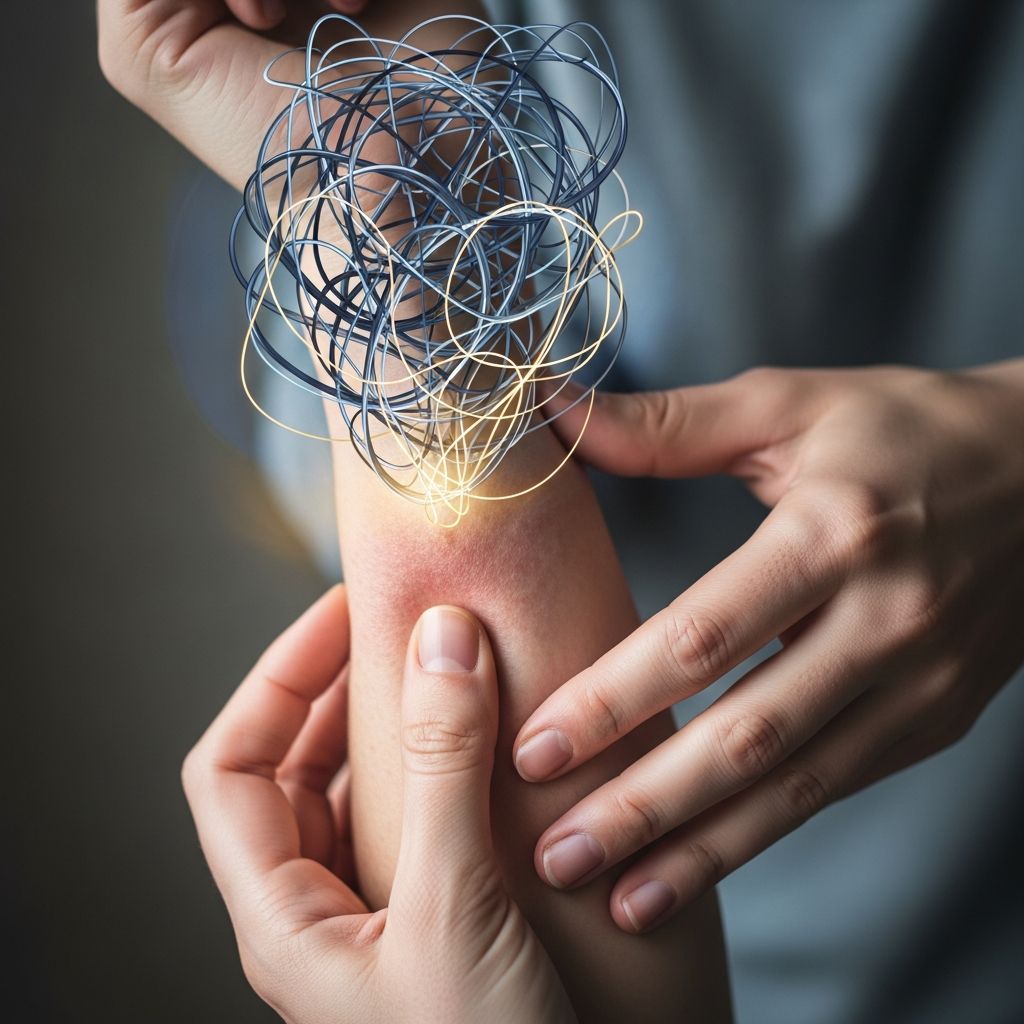
Chronic skin conditions like eczema often extend their reach beyond the surface, infiltrating thoughts and emotions in profound ways. For many, the persistent itch, visible rashes, and unpredictable flares cultivate a harsh internal dialogue that undermines confidence and joy. This article delves into the psychological shadows cast by eczema, revealing how it can transform into an internal adversary and offering actionable pathways to foster self-compassion and holistic healing.
The Hidden Emotional Weight of Chronic Itch
Eczema, clinically known as atopic dermatitis, affects millions worldwide, manifesting as dry, inflamed skin prone to intense itching. While physical discomfort is evident, the mental strain is equally debilitating. Studies indicate that a significant portion of individuals with eczema endure poor mental health symptoms frequently. For instance, 72% of surveyed patients reported such symptoms for 1-10 days in the past month, with 17% experiencing them more than 11 days.
This emotional burden arises from sleep disruptions caused by nocturnal scratching, social withdrawal due to appearance concerns, and the frustration of ineffective treatments. The cycle intensifies as stress hormones exacerbate inflammation, perpetuating flares. Adults with atopic dermatitis face up to a three-fold higher risk of anxiety or depression, a risk that escalates with symptom severity.
- Constant vigilance: Monitoring skin daily leads to exhaustion.
- Social stigma: Visible patches prompt avoidance of gatherings.
- Treatment fatigue: Trial-and-error regimens breed hopelessness.
How Eczema Sparks Negative Self-Talk
The mind’s response to eczema often mirrors a bully’s taunts: “Why can’t you control this?” or “You’ll never look normal.” This self-criticism stems from internalized shame over visible imperfections and the perception of personal failure in managing the condition. Research highlights that over 30% of people with atopic dermatitis also have diagnoses of depression or anxiety, far exceeding general population rates.
During flares, individuals may catastrophize, envisioning permanent disfigurement or rejection. This cognitive distortion not only amplifies distress but also triggers physiological responses, like elevated cortisol, which worsens skin barrier function. Children and teens with eczema show elevated risks for depression, anxiety, and ADHD, while parents grapple with parallel emotional strain.
| Common Self-Critical Thoughts | Underlying Triggers | Potential Impacts |
|---|---|---|
| “I’m disgusting.” | Visible redness on face/hands | Isolation, low self-esteem |
| “I must be doing something wrong.” | Treatment non-response | Anxiety, treatment avoidance |
| “No one understands.” | Social misunderstandings | Relationship strain |
The Vicious Loop: Skin, Stress, and Mind
Eczema and mental health form a bidirectional cycle. Inflammation signals from the skin may influence brain activity, promoting feelings of fatigue and anxiety. Conversely, emotional turmoil releases stress mediators that compromise skin integrity, inviting more flares. A PubMed review confirms higher odds of suicidality, depression, anxiety, alexithymia, and OCD in atopic dermatitis patients across all severities.
Surveys reveal that 57% of eczema patients have never discussed mental health with their allergist, and 35% haven’t raised it themselves, underscoring a care gap. This silence perpetuates suffering, as unaddressed emotions compound physical symptoms.
Related Stories



Recognizing Signs of Emotional Distress
Early identification of mental health red flags is crucial. Beyond overt sadness, watch for irritability, concentration lapses, or compulsive scratching as disguised cries for help. Parents of affected children report similar vigilance needs, as familial stress mirrors the patient’s.
- Persistent low mood lasting weeks.
- Avoidance of mirrors or photos.
- Sudden disinterest in hobbies.
- Sleep issues beyond itching.
Those with comorbidities like asthma or allergies face amplified risks, demanding integrated care approaches.
Building Mental Resilience: Practical Strategies
Reclaiming narrative control starts with awareness. Journaling negative thoughts and challenging them with evidence—”My skin doesn’t define my worth”—rewires patterns. Mindfulness practices, such as guided breathing, interrupt the itch-scratch-stress loop by lowering cortisol.
Cognitive Behavioral Therapy (CBT) proves effective for chronic skin conditions, addressing shame and building coping skills. Physical activity, even gentle yoga, boosts endorphins and skin health. Dietary tweaks, like anti-inflammatory foods, support both body and mind.
- Daily affirmations: Repeat three positive skin-unrelated traits.
- Support networks: Join online eczema communities for validation.
- Professional input: Seek dermatologist-therapist duos.
Holistic Treatment Approaches
Modern eczema management emphasizes psyche-skin synergy. Biologics and topicals reduce flares, easing mental load. Allergists refer 45% of patients to mental health resources, highlighting evolving standards.
Stress reduction techniques, including progressive muscle relaxation, mitigate flares. A balanced routine incorporating hydration, gentle skincare, and therapy fosters stability.
Role of Healthcare Providers and Loved Ones
Doctors must proactively inquire about emotional well-being, bridging the 57% inquiry gap. Family members can offer non-judgmental listening, avoiding unhelpful advice like “Just stop scratching.” Empathy validates experiences, reducing isolation.
Real-Life Paths to Recovery
Many reclaim lives through persistence. One approach: combining dupilumab with therapy slashed flares and self-doubt. Another: mindfulness apps curbed anxiety, stabilizing skin. These stories underscore hope’s power.
Frequently Asked Questions (FAQs)
Does eczema cause depression?
Yes, atopic dermatitis elevates depression risk up to three-fold, linked to inflammation and chronic stress.
Can stress worsen eczema flares?
Absolutely; stress triggers inflammation, creating a feedback loop best broken by relaxation techniques.
How do I discuss mental health with my doctor?
Prepare notes on symptoms and impacts; many allergists welcome these conversations.
Are there support groups for eczema emotional challenges?
Yes, organizations like National Eczema Association offer communities and resources.
Is therapy effective for eczema patients?
CBT significantly alleviates psychological burdens from chronic skin issues.
Long-Term Outlook: Thriving with Eczema
While incurable, eczema needn’t dominate life. Integrated care—medical, psychological, lifestyle—empowers flourishing. Self-compassion transforms the inner bully into an ally, paving resilience.
References
- Survey: 72% of Eczema Patients Suffered Poor Mental Health Symptoms for 1-10 Days in Past Month — ACAAI. 2023-11-09. https://acaai.org/news/survey-72-of-eczema-patients-suffered-poor-mental-health-symptoms-for-1-10-days-in-past-month/
- Hidden Impacts: How Living with Eczema Affects Mental Health — ID Tidewater. N/A. https://www.idtidewater.com/blog/hidden-impacts-how-living-with-eczema-affects-mental-health
- Stress and Eczema | Eczema and Mental Health — National Eczema Association. N/A. https://nationaleczema.org/eczema-management/stress/
- Mental health support — National Eczema Society. N/A. https://eczema.org/information-and-advice/treatments-for-eczema/mental-health-support/
- Beneath the Skin: Mental Health and Atopic Dermatitis — WebMD. N/A. https://www.webmd.com/skin-problems-and-treatments/eczema/mental-health-atopic-dermatitis
- The link between eczema and depression — Medical News Today. N/A. https://www.medicalnewstoday.com/articles/eczema-and-depression
- The Psychology of Atopic Dermatitis — PubMed. 2024. https://pubmed.ncbi.nlm.nih.gov/38541828/
Similar Articles








Read full bio of medha deb