Edema: Causes, Symptoms, Diagnosis & Treatment
Understanding edema: Learn about fluid buildup causes, symptoms, and effective treatment options.
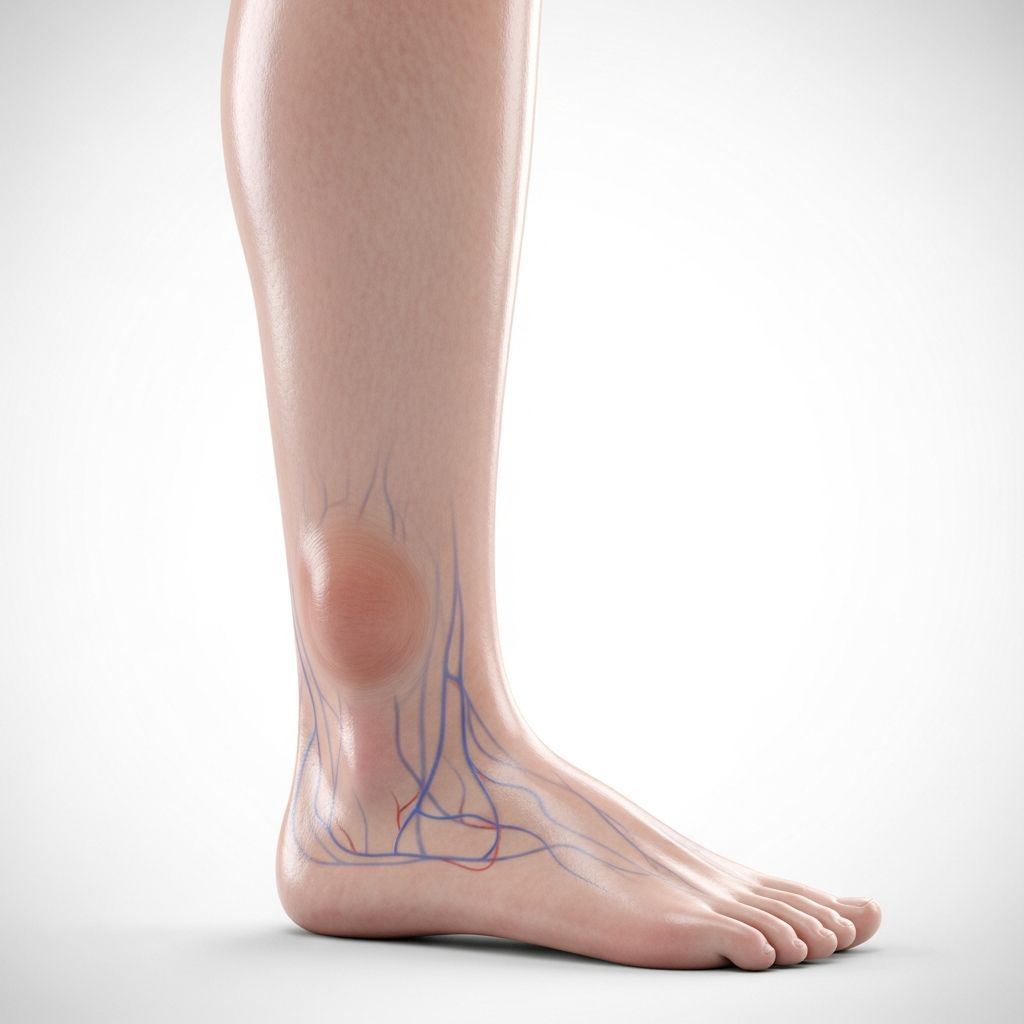
Edema is a common medical condition characterized by an abnormal buildup of fluid in the tissues beneath your skin. This accumulation results in swelling that can affect various parts of your body, including your legs, feet, hands, and face. Understanding the causes, symptoms, and treatment options for edema is essential for managing this condition effectively and maintaining overall health.
What is Edema?
Edema occurs when excess fluid collects in the interstitial spaces—the areas between cells in your body’s tissues. This fluid buildup happens when the balance between fluid entering and leaving the tissues becomes disrupted. The condition can develop suddenly or gradually, and it may affect just one area of your body or multiple areas simultaneously.
The fluid in your body constantly moves between blood vessels and tissue spaces. This movement is regulated by capillary hydrostatic pressure and oncotic pressure gradients across capillary walls. When local or systemic conditions disrupt this equilibrium, fluid accumulates in the tissues, leading to visible swelling and discomfort.
Understanding the Causes of Edema
Edema develops through several physiological mechanisms. The primary causes include increased capillary hydrostatic pressure, increased plasma volume, decreased plasma oncotic pressure, increased capillary permeability, and lymphatic obstruction. Understanding these mechanisms helps healthcare providers identify the underlying cause of your swelling.
Systemic Causes
Systemic causes of edema affect your entire body and typically result in more generalized swelling. These conditions disrupt the body’s fluid balance at a systemic level:
– Cardiac disease causes increased capillary permeability through systemic venous hypertension and expanded plasma volume- Hepatic disease leads to reduced protein synthesis, decreasing plasma oncotic pressure- Renal disease causes both increased plasma volume and protein loss- Malabsorption and protein-calorie malnutrition reduce protein synthesis, lowering plasma oncotic pressure- Obstructive sleep apnea creates pulmonary hypertension, increasing capillary hydrostatic pressure- Pregnancy and premenstrual edema result from increased plasma volume- Allergic reactions and angioedema increase capillary permeability
Localized Causes
Localized causes of edema affect specific areas of your body and typically result from regional vascular or lymphatic problems. These include:
– Chronic venous insufficiency increases capillary permeability through local venous hypertension- Deep venous thrombosis (DVT) impairs normal blood flow and increases capillary permeability- Lymphedema results from lymphatic obstruction or dysfunction- Cellulitis increases capillary permeability due to infection and inflammation- Compartment syndrome elevates pressure in tissue compartments- Complex regional pain syndrome type 1 causes neurogenically mediated capillary permeability changes- May-Thurner syndrome involves compression of the left iliac vein- Lipedema causes fluid accumulation specifically in adipose tissue
Recognizing Symptoms of Edema
Related Stories



The primary symptom of edema is visible swelling in affected areas, typically the legs, feet, ankles, or hands. The swelling appears as puffiness or enlargement of the affected tissue. Beyond visible swelling, you may experience several other symptoms:
– Skin that appears stretched or shiny- Difficulty fitting into shoes or clothes that previously fit well- A feeling of tightness or heaviness in affected limbs- Reduced flexibility or range of motion- Pitting edema, where pressing on the swollen area leaves an indentation that slowly disappears- Aching or discomfort in swollen areas- In severe cases, skin ulceration or signs of infection
The onset of symptoms varies depending on the underlying cause. Acute swelling developing over fewer than 72 hours may indicate deep venous thrombosis, cellulitis, ruptured popliteal cyst, or acute compartment syndrome. Chronic swelling developing gradually suggests systemic conditions like congestive heart failure, renal disease, or hepatic disease.
Diagnostic Methods for Edema
Diagnosing edema involves a systematic approach combining physical examination and specialized testing. Your healthcare provider will begin with a comprehensive evaluation:
Initial Assessment
Your provider will perform a physical examination to assess the extent and characteristics of swelling. They will ask detailed questions about your medical history, current medications, symptoms onset, and any recent injuries or illnesses. This initial assessment often provides enough information to identify the cause of edema.
Diagnostic Testing
When initial assessment alone is insufficient, your provider may recommend specific tests:
– Blood tests to evaluate kidney function, liver function, protein levels, and albumin concentration- Ultrasound imaging to assess blood flow and detect venous abnormalities- Duplex ultrasonography to evaluate vascular insufficiency- Magnetic resonance venography for evaluating deep venous thrombosis when ultrasound results are negative- Echocardiography to assess heart function and pulmonary arterial pressures in patients with cardiac risk factors- Ankle-brachial index measurement to evaluate arterial insufficiency before starting compression therapy- Lymphoscintigraphy to assess lymphatic function in suspected lymphedema cases
These diagnostic tests help determine whether edema results from venous insufficiency, lymphatic dysfunction, cardiac problems, renal disease, hepatic disease, or other underlying conditions.
Treatment Options for Edema
Edema management depends primarily on identifying and treating the underlying cause. However, several general approaches help reduce swelling and improve comfort.
Conservative Management
Initial treatment focuses on lifestyle modifications and non-invasive approaches:
– Elevation of the affected limb above heart level reduces gravitational effects on fluid accumulation- Compression garments including stockings and sleeves improve circulation and prevent fluid accumulation- Regular movement and exercise promote circulation and lymphatic drainage- Massage using firm, gentle strokes toward the heart helps move fluid out of affected areas- Reducing salt intake decreases fluid retention in your body- Maintaining proper hydration supports kidney function and overall fluid balance- Wearing compression stockings after deep venous thrombosis prevents postthrombotic syndrome
Specialized Treatments
Depending on the underlying cause, specialized treatments may include:
| Condition | Recommended Treatment |
|---|---|
| Lymphedema | Pneumatic compression devices used with standard therapy, complex decongestive therapy |
| Chronic Venous Insufficiency | Compression therapy, topical steroid creams for dermatitis, daily skin hydration with emollients |
| Cardiac-related Edema | Diuretic medications, cardiac medications, sodium restriction |
| Renal-related Edema | Diuretics, dietary protein management, blood pressure control |
| Medication-induced Edema | Medication adjustment or discontinuation under physician guidance |
Skin and Wound Care
For patients with chronic venous insufficiency and associated skin changes, proper skin care is essential. This includes daily hydration with emollients to prevent dryness and cracking. When eczematous dermatitis develops, short courses of topical steroid creams help reduce inflammation. Keeping skin clean and protected from injury prevents secondary infections and complications.
When to Seek Medical Attention
You should contact your healthcare provider if you experience any of the following:
– Sudden onset of swelling without apparent cause- Swelling accompanied by chest pain, shortness of breath, or difficulty breathing- Swelling in only one limb, which may indicate deep venous thrombosis- Swelling accompanied by fever, warmth, or redness suggesting infection- Swelling that worsens despite home treatment- Skin breakdown, ulceration, or signs of infection in swollen areas- Difficulty moving or weight-bearing on affected limbs- Swelling affecting your face, which may indicate serious systemic disease
Frequently Asked Questions about Edema
Q: Can edema be permanent?
A: Most cases of edema improve with appropriate treatment of the underlying cause. However, chronic conditions like lymphedema or advanced venous insufficiency may require long-term management to control swelling.
Q: Is edema dangerous?
A: While mild edema is usually not dangerous, it can indicate underlying serious conditions like heart disease, kidney disease, or blood clots. Additionally, severe chronic edema can lead to skin breakdown, infection, and reduced mobility. Proper diagnosis and treatment are essential.
Q: Can I prevent edema?
A: You can reduce your risk by maintaining a healthy weight, exercising regularly, limiting salt intake, staying hydrated, and elevating your legs when resting. If you have risk factors for edema, following your provider’s recommendations helps prevent its development.
Q: How long does edema typically last?
A: The duration depends on the underlying cause. Acute edema from minor injuries may resolve within days to weeks. Chronic edema from systemic diseases requires ongoing management. Your healthcare provider can give you a more specific timeline based on your diagnosis.
Q: Are compression stockings effective?
A: Yes, compression stockings are effective for many types of edema. They provide gentle, consistent pressure that promotes blood circulation and prevents fluid accumulation. They are particularly beneficial for venous insufficiency and lymphedema when used as part of comprehensive treatment.
Q: What medications can cause edema?
A: Several medications can cause edema, including calcium channel blockers, NSAIDs, corticosteroids, and hormone therapy. If you suspect your medications are causing swelling, discuss this with your healthcare provider rather than stopping medications on your own.
Q: Is edema during pregnancy normal?
A: Mild swelling during pregnancy is common due to increased plasma volume and hormonal changes. However, sudden or severe swelling, especially accompanied by high blood pressure or protein in urine, may indicate preeclampsia and requires immediate medical attention.
Living with Edema
Managing edema effectively involves understanding your specific condition and maintaining consistent treatment. Work closely with your healthcare provider to identify the underlying cause and develop an appropriate management plan. Most cases of edema respond well to a combination of treating the underlying condition and implementing lifestyle modifications. Regular follow-up appointments help monitor your progress and adjust treatment as needed.
References
- Edema: Diagnosis and Management — American Academy of Family Physicians. 2013-07-15. https://www.aafp.org/pubs/afp/issues/2013/0715/p102.html
- Edema – Diagnosis and treatment — Mayo Clinic. 2024. https://www.mayoclinic.org/diseases-conditions/edema/diagnosis-treatment/drc-20366532
- Lymphedema: Symptoms, Causes & Treatment — Cleveland Clinic. 2024. https://my.clevelandclinic.org/health/diseases/8353-lymphedema
Similar Articles








Read full bio of Sneha Tete