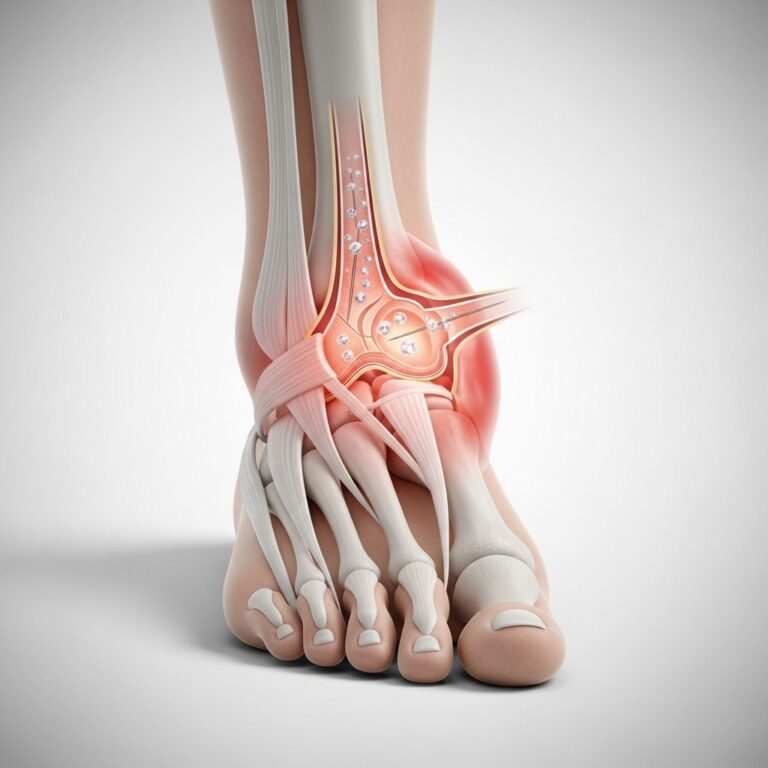
Edema A to Z: Causes, Symptoms, and Treatment
Complete guide to edema: Understanding fluid retention, causes, and effective treatment options.
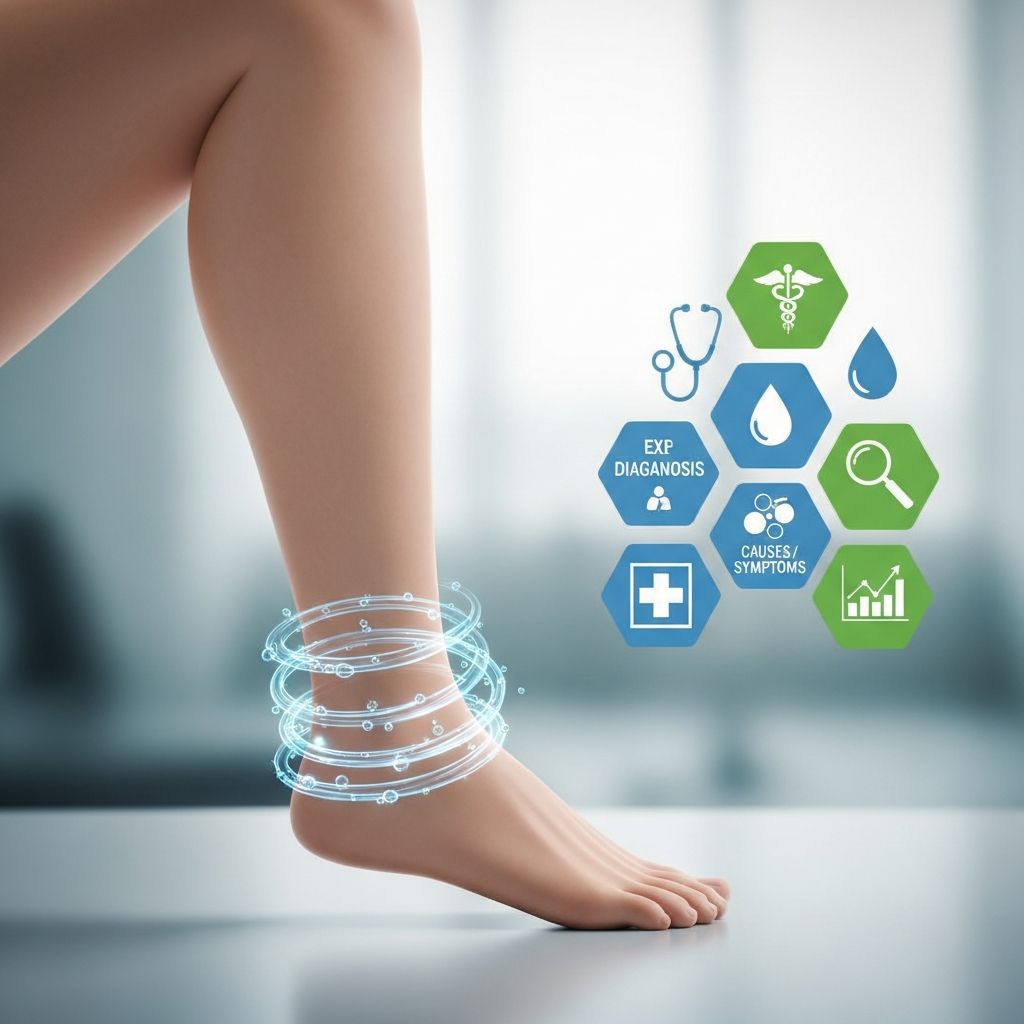
Edema, commonly referred to as swelling, occurs when excess fluid accumulates in body tissues, most frequently in the legs, feet, and ankles. This condition affects millions of people worldwide and can range from a minor cosmetic concern to a sign of a serious underlying medical condition. Understanding the causes, recognizing symptoms, and knowing when to seek treatment are essential for managing this widespread health issue effectively.
What Is Edema?
Edema is defined as an excess accumulation of fluid in the body’s tissues and cavities. Under normal circumstances, a delicate balance exists between the fluid that moves out of blood vessels into surrounding tissues and the fluid that returns to the bloodstream. When this balance is disrupted, fluid builds up in the tissues, causing visible swelling. Edema can develop in various parts of the body, though it most commonly affects the lower extremities due to gravity’s influence on fluid distribution.
The condition can be classified as either pitting or non-pitting edema. Pitting edema leaves a temporary indentation when pressure is applied to the swollen area, while non-pitting edema does not leave such an indentation. Understanding the type of edema you have can help healthcare providers determine its underlying cause.
Common Causes of Edema
Venous Insufficiency and Vascular Conditions
One of the most prevalent causes of leg swelling is chronic venous insufficiency (CVI), a condition in which the veins struggle to return blood from the legs back to the heart. This occurs when valves within the veins become weakened or damaged, allowing blood to pool and leak backward through blood vessels. The resulting increase in venous pressure causes fluid to accumulate in surrounding tissues. Patients with CVI often notice that their swelling intensifies throughout the day, particularly after prolonged sitting or standing, as the pressure on leg veins increases over time.
Varicose veins and spider veins frequently accompany venous insufficiency. These visible, twisted veins indicate underlying valve dysfunction and suggest that comprehensive vein evaluation may be necessary. Deep vein thrombosis (DVT), a potentially life-threatening condition involving blood clots in deep veins, can also cause sudden leg swelling accompanied by redness, warmth, and pain.
Cardiovascular Causes
Heart disease represents another significant cause of edema. Conditions such as congestive heart failure, cardiomyopathy, pericarditis, and pulmonary hypertension can all result in swollen feet, legs, and ankles. When the heart cannot pump blood efficiently, fluid backs up in the veins and tissues. Edema from cardiac causes often appears bilaterally (in both legs) and may be accompanied by other symptoms including shortness of breath, chest pain, or lightheadedness. These warning signs require immediate medical attention, as they may indicate a serious cardiac event.
Kidney Disease
The kidneys play a crucial role in regulating fluid balance within the body. When kidney disease develops, the kidneys may lose their ability to properly filter and excrete excess fluid and sodium. This can result in edema in the legs, ankles, and feet, but more concerning is the potential for fluid accumulation in essential organs like the lungs. Edema accompanied by kidney disease requires close medical monitoring, as it may indicate progressive kidney dysfunction or kidney failure.
Lymphatic System Dysfunction
The lymphatic system works alongside the circulatory system to manage fluid balance. When lymph vessels become damaged or removed (such as after cancer surgery or radiation therapy), lymphatic fluid accumulates in tissues, causing lymphedema. This type of swelling typically affects one limb and can be chronic, requiring long-term management strategies.
Related Stories



Medications and Hormonal Factors
Certain medications commonly cause edema as a side effect. Calcium channel blockers used to treat hypertension and heart disease frequently result in ankle and leg swelling. Corticosteroids, nonsteroidal anti-inflammatory drugs (NSAIDs), and some diabetes medications can also contribute to fluid retention. Additionally, hormonal changes during pregnancy and the menstrual cycle can cause temporary swelling due to increased fluid retention and hormonal influences on blood vessel permeability.
Liver Disease
Liver cirrhosis and other liver diseases impair the production of albumin, a protein essential for maintaining proper fluid balance. Without adequate albumin, fluid leaks from blood vessels into tissues, particularly in the legs and abdomen. Liver disease-related edema often signals advanced disease and requires specialized treatment.
Malnutrition and Protein Deficiency
Inadequate protein intake or malabsorption disorders can lead to low blood protein levels, disrupting the osmotic balance that keeps fluid in the bloodstream. This causes fluid to accumulate in tissues, particularly in dependent areas like the legs and ankles. This type of edema is especially common in developing countries and among individuals with severe digestive disorders.
Cancer and Cancer Treatment
Both cancer itself and certain cancer treatments can cause swelling throughout the body. Chemotherapy agents may damage blood vessels or lymphatic vessels, leading to fluid accumulation. Additionally, tumors can obstruct lymph or blood vessels, preventing proper fluid drainage from affected areas.
Multiple Sclerosis and Neurological Conditions
Multiple sclerosis can cause leg swelling through several mechanisms. Limited mobility from MS can lead to fluid buildup in the legs, while certain MS medications may have edema as a side effect. Additionally, MS-related balance impairment increases fall risk, and resulting injuries can produce localized swelling.
Warning Signs and Red Flags
While mild edema from pregnancy or long plane flights is typically harmless, certain warning signs indicate the need for immediate medical evaluation:
Sudden Onset with Redness and Warmth
Leg swelling that develops suddenly and is accompanied by redness, warmth, and pain may indicate thrombophlebitis or deep vein thrombosis. These conditions require emergency medical attention, as blood clots can break loose and travel to the lungs, causing life-threatening pulmonary embolism.
Associated Cardiac Symptoms
Swelling accompanied by chest pain, shortness of breath, or lightheadedness suggests possible heart disease or cardiac complications. These patients should seek emergency medical evaluation immediately.
Progressive Worsening Throughout the Day
Edema that worsens as the day progresses, particularly after prolonged sitting or standing, is characteristic of venous insufficiency and warrants vascular evaluation.
Bilateral Swelling
Swelling in both legs often indicates systemic causes such as heart disease, kidney disease, or liver disease, requiring comprehensive medical investigation.
Changes in Existing Edema
When swelling patterns change suddenly or symptoms increase rapidly, this may signify a new or worsening medical condition requiring medical assessment.
Diagnostic Approach
Accurate diagnosis of edema begins with a thorough medical history and physical examination. Healthcare providers will assess the location, severity, and characteristics of swelling. Key diagnostic tests may include:
- Ultrasound imaging: Used to evaluate blood flow in veins and arteries, diagnose DVT, and assess vascular function
- Blood tests: Including kidney function tests, liver function tests, and albumin levels to identify systemic causes
- Echocardiography: To assess heart function and diagnose cardiac causes of edema
- Urinalysis: To detect protein in urine, indicating kidney disease
- Lymphoscintigraphy: To evaluate lymphatic system function when lymphedema is suspected
Treatment Options
Conservative Management
For mild edema, conservative measures often provide effective relief. Elevation of affected limbs above the heart level helps reduce swelling by promoting fluid drainage. Compression stockings or wraps apply external pressure to tissues, preventing fluid accumulation and promoting circulation. Regular movement and exercise improve circulation and lymphatic drainage, while reducing salt intake helps limit fluid retention. Weight management and proper hydration also support overall fluid balance.
Medical Interventions
Diuretic medications may be prescribed to promote fluid excretion through the kidneys when edema results from heart, kidney, or liver disease. Treatment of underlying conditions—such as managing heart failure, controlling hypertension, or treating kidney disease—addresses the root cause of edema. For venous insufficiency, specialized vein treatments including endovenous laser therapy, radiofrequency ablation, or sclerotherapy can correct valve dysfunction and improve circulation.
Lymphedema Management
Lymphedema requires specialized treatment including lymphatic drainage massage, compression therapy, exercise, and proper skin care to prevent infection. Some patients benefit from lymphedema pumps that mechanically encourage fluid drainage.
When to Seek Medical Care
Mild, occasional swelling from airplane travel, prolonged sitting, or hormonal changes typically resolves without medical intervention. However, persistent swelling lasting more than a few days, sudden severe swelling, or swelling accompanied by any red flag symptoms warrants medical evaluation. Additionally, swelling that worsens despite conservative measures or that interferes with daily activities should be assessed by a healthcare provider.
Prevention Strategies
While not all edema is preventable, certain lifestyle modifications reduce the risk of developing swelling:
- Maintain regular physical activity and avoid prolonged immobility
- Keep legs elevated when sitting for extended periods
- Reduce dietary sodium intake
- Stay well hydrated with adequate water intake
- Wear compression stockings during long flights or car trips
- Maintain a healthy weight
- Manage underlying medical conditions appropriately
- Take breaks during prolonged sitting or standing
Frequently Asked Questions About Edema
Q: Is edema always a sign of a serious condition?
A: Not necessarily. Mild edema from pregnancy, long flights, or sitting for extended periods is usually temporary and harmless. However, persistent or sudden edema warrants medical evaluation to rule out underlying conditions.
Q: Can edema be cured?
A: Treatment depends on the underlying cause. Edema from reversible causes like medication side effects may resolve when the cause is addressed. Chronic conditions like venous insufficiency require ongoing management, though modern treatments can significantly improve symptoms.
Q: How long does it take for edema to resolve with treatment?
A: Resolution time varies depending on the cause and severity of swelling. Some cases improve within days with conservative measures, while others require weeks or months of consistent treatment.
Q: Can I prevent edema from returning?
A: Prevention strategies depend on the underlying cause. Managing underlying medical conditions, maintaining healthy lifestyle habits, and wearing compression stockings when needed can significantly reduce recurrence risk.
Q: Are there natural remedies for edema?
A: While elevation, compression, and exercise are effective natural approaches, they work best for mild cases. Serious edema from heart disease, kidney disease, or DVT requires medical treatment and cannot be managed through natural remedies alone.
Living with Edema
Managing edema effectively requires understanding its underlying cause and committing to appropriate treatment strategies. Regular follow-up with healthcare providers ensures that treatment remains effective and that any changes in symptoms are promptly addressed. Support groups and educational resources can help patients better understand their condition and connect with others facing similar challenges. With proper diagnosis and treatment, most people with edema can significantly reduce symptoms and maintain good quality of life.
References
- When Should I Be Concerned About Leg Swelling? 10 Red Flags — Vein Clinic Long Island. 2025. https://www.veincliniclongisland.com/when-should-i-be-concerned-about-leg-swelling/
Similar Articles








Read full bio of medha deb