Edoxaban (Lixiana): 6 Side Effects And Safety Tips
Comprehensive guide to Edoxaban (Lixiana): uses, dosage, side effects, and precautions for preventing and treating blood clots.
Edoxaban, marketed as Lixiana, is a direct oral anticoagulant (DOAC) that belongs to the class of factor Xa inhibitors. It is prescribed to prevent harmful blood clots in conditions such as non-valvular atrial fibrillation (NVAF), deep vein thrombosis (DVT), and pulmonary embolism (PE). By inhibiting factor Xa, a key enzyme in the clotting cascade, edoxaban reduces thrombin production and prevents clot formation without the need for routine blood monitoring, unlike vitamin K antagonists such as warfarin.
| Type of medicine | A factor Xa inhibitor anticoagulant |
|---|---|
| Used for | To prevent or treat harmful blood clots |
| Also called | Lixiana® |
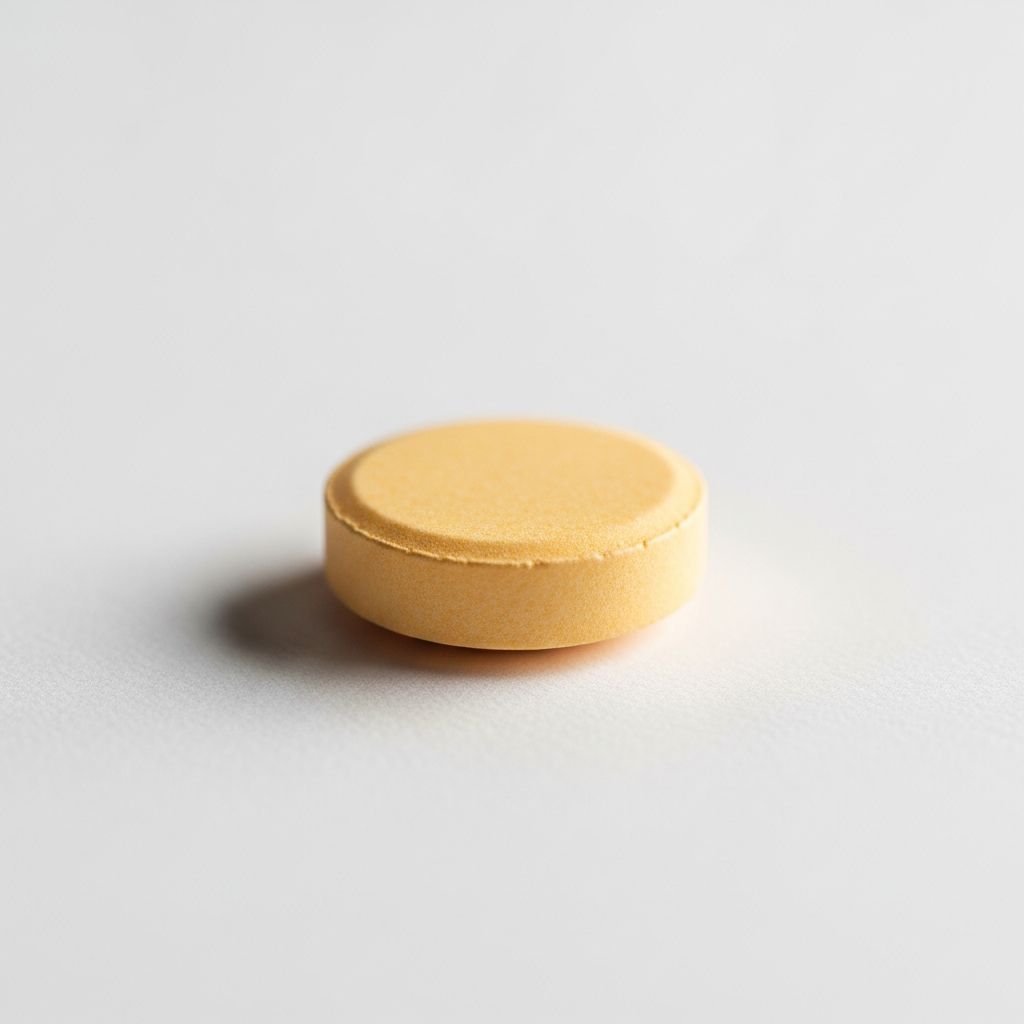
| Available as | Tablets (15 mg, 30 mg, 60 mg) |
About edoxaban
Edoxaban is used in adults to prevent stroke and systemic embolism in patients with NVAF who have risk factors like age ≥75 years, hypertension, diabetes, prior stroke, or transient ischemic attack (TIA). It is also indicated for the treatment of DVT and PE following at least 5 days of initial parenteral anticoagulation, and to prevent their recurrence.
Unlike warfarin, which requires frequent INR monitoring and dose adjustments, edoxaban offers predictable anticoagulation with once-daily dosing and no routine lab tests for most patients. This convenience improves patient adherence and quality of life. The tablets are film-coated, containing edoxaban tosylate monohydrate, and available in 15 mg, 30 mg, and 60 mg strengths.
Edoxaban works by selectively blocking factor Xa, reducing thrombin generation and fibrin clot formation. This mechanism is effective for both arterial and venous thromboses, making it versatile for various thromboembolic conditions.
How to take edoxaban tablets
Before starting edoxaban, carefully read the patient information leaflet (PIL) provided in the pack, which details the medication, usage, and potential side effects. Take edoxaban exactly as prescribed by your doctor, typically once daily at the same time each day, with or without food.
The standard dose for NVAF and VTE (after initial heparin therapy) is 60 mg once daily. A reduced dose of 30 mg once daily is recommended for patients with one or more of the following:
- Moderate to severe renal impairment (creatinine clearance 15-50 mL/min)
- Low body weight (≤60 kg)
- Concomitant use of potent P-gp inhibitors (e.g., ciclosporin, dronedarone, erythromycin, ketoconazole)
Swallow the tablets whole with water. Do not crush, chew, or break them, as this can affect the controlled release. If you miss a dose, take it as soon as remembered on the same day, but skip it if it’s nearly time for the next dose—do not double up. For VTE treatment, ensure at least 5 days of prior injectable anticoagulant.[10]
Getting the most from your treatment
To maximize benefits and minimize risks while on edoxaban:
- Take it consistently at the same time daily to maintain steady blood levels.
- Avoid activities with high bleeding risk, such as contact sports.
- Inform all healthcare providers, dentists, or surgeons about edoxaban use before procedures.
- Carry an anticoagulant alert card or medical ID bracelet.
- Report any signs of bleeding (e.g., unusual bruising, blood in urine/stool, prolonged bleeding) immediately.
- Avoid alcohol excess, as it may increase bleeding risk.
- Discuss herbal supplements like St. John’s wort or high-dose vitamin E/fish oils with your doctor, as they may interact.
Related Stories



Regular follow-ups are essential to monitor renal function, especially in elderly patients or those with kidney issues, as edoxaban is primarily renally excreted. Liver function should be checked before initiation and periodically.
Side-effects
The primary concern with edoxaban is bleeding, ranging from minor (e.g., nosebleeds, gum bleeding) to severe (e.g., gastrointestinal, intracranial). Common side effects include:
- Anaemia
- Epistaxis (nosebleeds)
- Gastrointestinal haemorrhage (upper/lower)
- Nausea
- Rash, pruritus (itchy skin)
- Dizziness, headache
Uncommon but serious effects: intracranial haemorrhage, hypersensitivity reactions. Studies show edoxaban has a superior bleeding profile compared to warfarin, with lower rates of major bleeding. If overdose or severe bleeding occurs, administer specific reversal agent andexanet alfa if available, or prothrombin complex concentrate (PCC).
If you take too much (overdose)
Overdose increases bleeding risk. Seek immediate medical help. Symptoms may include prolonged bleeding or hypotension. There is no specific antidote, but andexanet alfa can reverse factor Xa inhibitors in emergencies. Supportive care includes stopping edoxaban, monitoring coagulation, and administering blood products if needed.
Important things to know about edoxaban
Who should not take edoxaban?
Do not use if you have:
- Active clinically significant bleeding
- Recent brain/spinal injury or surgery
- Severe hepatic impairment with coagulopathy
- Mechanical heart valves or moderate-to-severe mitral stenosis
- CrCl <15 mL/min or on dialysis
- Hypersensitivity to edoxaban or excipients
Pregnancy and breastfeeding
Edoxaban is not recommended during pregnancy due to potential fetal harm. Effective contraception is advised for women of childbearing potential. It is unknown if excreted in human milk; breastfeeding is not recommended.
Driving and operating machinery
Edoxaban may cause dizziness; do not drive or operate machinery if affected until you know how it impacts you.
Interactions
Avoid strong P-gp inducers (e.g., rifampicin). Dose reduce with P-gp inhibitors. Use caution with NSAIDs, antiplatelets, SSRIs, as they increase bleeding risk.
Frequently Asked Questions (FAQs)
Q: How quickly does edoxaban work?
A: Peak effect occurs within 1-2 hours; for VTE, use after 5 days of parenteral therapy.
Q: Do I need blood tests with edoxaban?
A: No routine monitoring like warfarin, but periodic renal/liver checks are advised.
Q: Can I stop edoxaban suddenly?
A: No—risk of clot rebound, especially in AF. Consult your doctor for switching or stopping.
Q: What if I have kidney problems?
A: Dose adjust if CrCl 15-50 mL/min; avoid if <15 mL/min.[10]
Q: Is edoxaban better than warfarin?
A: It offers similar efficacy with less major bleeding and no monitoring.
This article provides comprehensive, patient-friendly information on edoxaban (Lixiana), drawing from official sources. Always consult your healthcare provider for personalized advice. Last reviewed based on sources up to 2025.
References
- Consumer Information – LIXIANA — Servier Canada. 2022-11. https://servier.ca/wp-content/uploads/sites/24/2022/11/Consumer-information-LIXIANA.pdf
- Lixiana 60mg Film-Coated Tablets – PIL — medicines.org.uk. Accessed 2026. https://www.medicines.org.uk/emc/product/6905/pil
- Lixiana – EPAR — European Medicines Agency (EMA). Accessed 2026. https://www.ema.europa.eu/en/medicines/human/EPAR/lixiana
- Practical Guide – LIXIANA (edoxaban) — Daiichi Sankyo. Accessed 2026. https://www.lixiana.com/en/-/media/www,-d-,lixiana,-d-,com/Documents/practical-guide.pdf
- Edoxaban tablets (Lixiana) — Patient.info. 2022-10-23. https://patient.info/medicine/edoxaban-tablets-lixiana
- LIXIANA Official Site — lixiana.com. Accessed 2026. https://www.lixiana.com
- Edoxaban (oral route) — Mayo Clinic. Accessed 2026. https://www.mayoclinic.org/drugs-supplements/edoxaban-oral-route/description/drg-20137330
Similar Articles








Read full bio of medha deb