Edwards Syndrome (Trisomy 18): Understanding the Genetic Condition
Comprehensive overview of Edwards syndrome, its symptoms, diagnosis, and management.
What is Edwards Syndrome?
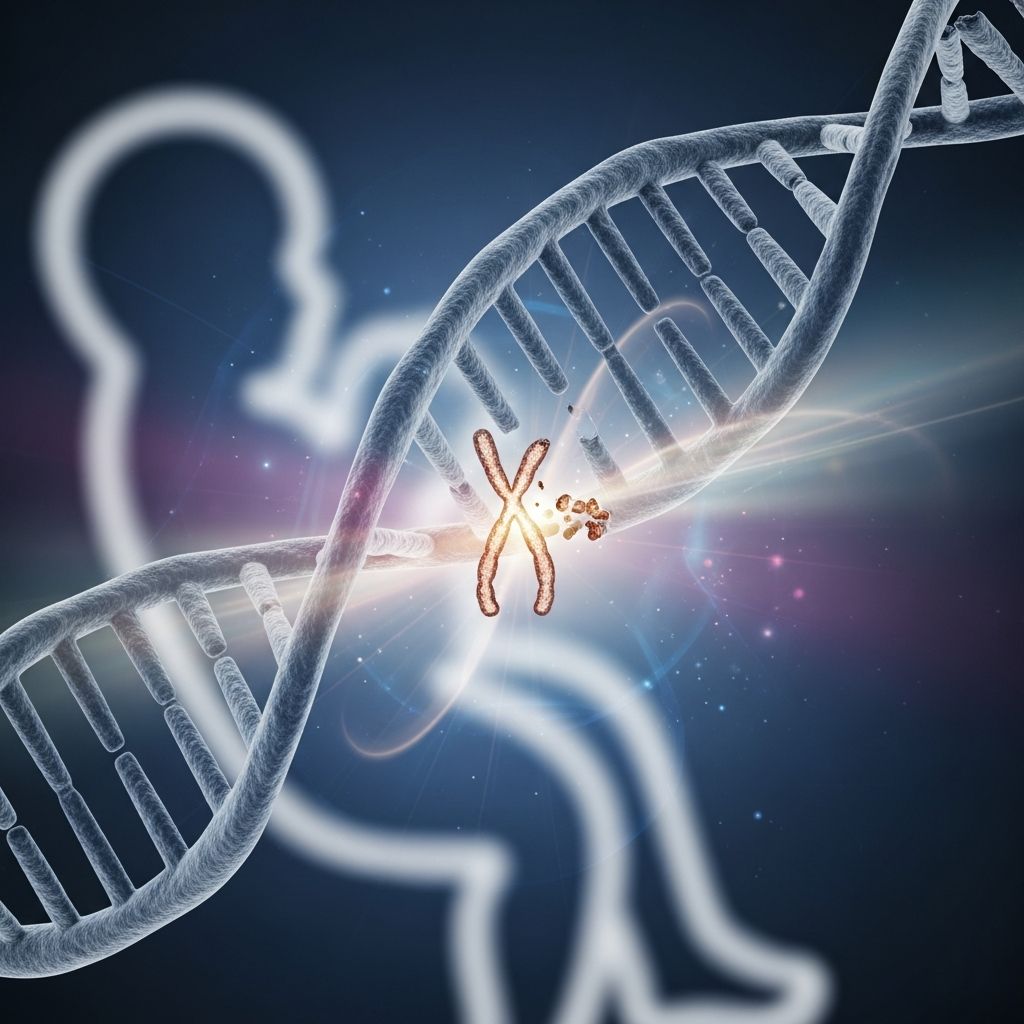
Edwards syndrome, also known as trisomy 18, is a very severe genetic condition that affects how your child’s body develops and grows. The condition occurs when an individual has three copies of chromosome 18 instead of the typical two copies that humans normally possess. All humans have 46 chromosomes that divide into 23 pairs, with each pair carrying DNA that serves as an instruction manual for how your body forms and functions. When a person receives an extra copy of chromosome 18, the result is Edwards syndrome, a condition characterized by physical growth delays during fetal development and multiple life-threatening complications.
Children diagnosed with Edwards syndrome typically have a low birth weight, multiple birth defects, and defining physical characteristics. Life expectancy for children diagnosed with Edwards syndrome is short due to several life-threatening complications of the condition. However, those who survive past their first year may face severe intellectual challenges and require specialized care throughout their lives.
Edwards syndrome is relatively rare, occurring in approximately 1 out of every 5,500 live births, and the incidence increases with maternal age. The condition frequently results in fetal loss, with many cases detected prenatally through maternal screening and ultrasound findings.
Causes of Edwards Syndrome
Edwards syndrome results from a chromosomal abnormality that occurs during cell division. The condition develops when nondisjunction occurs—the failure to properly separate two homologous chromosomes or sister chromatids during cell division. This results in aneuploidy, a state of chromosomal imbalance where instead of the normal pair of chromosome 18, an individual has three copies.
The extra chromosome 18 is typically inherited randomly and is not caused by anything the parents did or did not do during pregnancy. The condition arises spontaneously during the formation of reproductive cells in one of the parents or during early fetal development. Maternal age is a risk factor, with advanced maternal age increasing the likelihood of chromosomal abnormalities like Edwards syndrome.
Symptoms and Physical Characteristics
Symptoms of Edwards syndrome typically include poor growth before and after birth, multiple birth defects, and severe developmental delays or learning problems. These symptoms are present during pregnancy and become apparent after your child is born.
Prenatal Symptoms
During pregnancy, healthcare providers may observe several signs of Edwards syndrome through ultrasound screening, including:
– Intrauterine growth restriction (IUGR)- Abnormal fetal activity- Excessive or insufficient amniotic fluid surrounding the fetus- Abnormal placenta size- Congenital heart defects- Overlapping fingers or unusual hand positioning- Rocker-bottom feet- Typical craniofacial features
Physical Characteristics at Birth
Children diagnosed with Edwards syndrome have specific physical characteristics that become evident after birth, including:
– Low birth weight (typically significantly below average)- Clenched fists with characteristic finger positioning- Low-set and malformed ears- Cleft lip and cleft palate- Receding chin- Webbed neck- Convex soles of the feet (rocker-bottom feet)- Severe developmental and growth delays- Multiple congenital defects affecting various organ systems
Related Stories



Life-Threatening Complications
Because children diagnosed with Edwards syndrome have underdeveloped bodies, the side effects of the condition have serious and often life-threatening consequences. Issues relating to the heart affect nearly 90% of children diagnosed with Edwards syndrome and are the leading cause of premature death among infants who have the condition, followed by respiratory failure.
Common life-threatening complications include congenital heart disease, respiratory problems, feeding difficulties, organ malformations, and severe neurological impairments. These complications require immediate medical attention and specialized care.
Diagnosis of Edwards Syndrome
Diagnosis of Edwards syndrome begins during pregnancy, and confirmation of the diagnosis occurs either before or after your baby is born. Early detection allows families to prepare for specialized care and make informed decisions regarding their pregnancy and postnatal care.
Prenatal Diagnosis
Your healthcare provider will look for signs of Edwards syndrome during a routine ultrasound screening, including fetal activity, the amniotic fluid surrounding your fetus, and the size of your placenta. If signs of a genetic condition are present, your healthcare provider may offer additional testing for confirmation.
During pregnancy, healthcare providers will offer different tests to determine the diagnosis if the fetus shows symptoms of Edwards syndrome, including:
– First trimester screening (combined with nuchal translucency measurement and maternal serum markers)- Maternal serum screening in the second trimester- Cell-free fetal DNA testing (non-invasive prenatal testing)- Amniocentesis or chorionic villus sampling (CVS) for definitive diagnosis through karyotyping- Detailed ultrasound evaluation
Postnatal Diagnosis
After your child is born, your healthcare provider will examine your child’s heart via ultrasound to identify and treat any heart-related conditions as a result of their diagnosis. A physical examination combined with genetic testing through karyotyping or chromosomal microarray analysis can confirm Edwards syndrome after birth.
Treatment Options
There is no cure for Edwards syndrome. Treatment is unique for each child, based on the severity of their diagnosis and the specific complications they experience. Often, the condition is so severe that babies who survive being born are treated with comfort care focused on maintaining the child’s quality of life and managing pain.
Treatment for Edwards syndrome might include:
– Heart surgery to address congenital heart defects (if appropriate based on the family’s wishes and prognosis)- Feeding support, including tube feeding if necessary- Respiratory support and oxygen therapy- Pain management and palliative care- Anticonvulsant medications to manage seizures- Specialized nursing and developmental care- Physical therapy to support comfort and development- Infection prevention and management
Survival Rates and Long-Term Outcomes
The survival rate varies for babies born with Edwards syndrome. Children born with Edwards syndrome will need specialized care to address their unique symptoms immediately after they are born. The survival rate is low, especially if your child has delayed organ development or a congenital heart condition.
Out of the 10% who survive past their first birthday, children go on to live fulfilling lives with significant support from their family and caretakers, as most never learn to walk or talk. For term pregnancies, most deaths occur during the first six months of life. Delivery in a specialized center is recommended for full-term pregnancies, and intervention is based on associated abnormalities.
An Edwards syndrome diagnosis might be overwhelming due to the severe complications that arise from the condition. Your healthcare provider will support you and your family along the journey, helping you navigate your child’s diagnosis or coping with loss.
Pregnancy Loss and Miscarriage Risks
An Edwards syndrome diagnosis can result in a live birth, but trisomy 18 most often causes a miscarriage during the first three months of pregnancy or the baby is stillborn. One of the side effects of having a child with Edwards syndrome is a risk of miscarriage or a loss of pregnancy.
If you are pregnant, contact your healthcare provider if you experience any symptoms of a miscarriage, including:
– Vaginal bleeding or spotting- Severe abdominal or pelvic pain- Cramping- Passage of tissue or clots- Sudden decrease in pregnancy symptoms- Fluid leaking from the vagina
When to Seek Emergency Care
If your child born with Edwards syndrome has any of the following symptoms, take them to the emergency room or call 911 immediately:
– Severe difficulty breathing or respiratory distress- Blue discoloration of the skin or lips (cyanosis)- Chest pain or signs of cardiac distress- Uncontrollable seizures- Loss of consciousness- Signs of severe infection or fever combined with other concerning symptoms- Inability to feed or signs of choking- Sudden changes in consciousness or behavior
Family Planning and Genetic Counseling
If you plan on becoming pregnant after an Edwards syndrome diagnosis in a previous pregnancy, discuss genetic testing with your healthcare provider to identify your risk of having a child with a genetic condition. Genetic counseling can help families understand the inheritance patterns, recurrence risks, and available prenatal testing options for future pregnancies.
Parents who have had a child with Edwards syndrome have only a slightly increased recurrence risk in future pregnancies, typically around 1% plus maternal age-related risk. However, older maternal age significantly increases the risk of chromosomal abnormalities. Genetic counselors can provide detailed information about individual risk factors and available testing options.
Frequently Asked Questions
Q: What is the difference between Edwards syndrome and Down syndrome?
A: Edwards syndrome (trisomy 18) and Down syndrome (trisomy 21) are both chromosomal disorders but affect different chromosomes. Edwards syndrome is typically more severe, with lower survival rates and more serious complications. Down syndrome generally allows for longer survival and different developmental outcomes.
Q: Can Edwards syndrome be detected before birth?
A: Yes, Edwards syndrome can be detected before birth through prenatal screening tests, ultrasound, and diagnostic testing such as amniocentesis or non-invasive prenatal testing. Many cases are identified during routine prenatal ultrasound screening.
Q: Is there any way to prevent Edwards syndrome?
A: Edwards syndrome cannot be prevented, as it results from a random chromosomal error during cell division. However, advanced maternal age is a risk factor, and genetic counseling can help families understand their individual risk factors.
Q: What support is available for families with a child diagnosed with Edwards syndrome?
A: Healthcare providers, specialized pediatric centers, genetic counselors, and support organizations can provide medical care, emotional support, and resources for families managing Edwards syndrome. Palliative care teams can also help focus on comfort and quality of life.
Q: Can children with Edwards syndrome attend school or participate in normal activities?
A: Most children with Edwards syndrome who survive past infancy have severe developmental delays and typically do not learn to walk or talk. They require round-the-clock specialized care and support from family and caregivers, though they can benefit from therapeutic interventions and adapted activities.
Q: What is the role of palliative care in managing Edwards syndrome?
A: Palliative care focuses on providing comfort, managing pain, and improving quality of life for children with Edwards syndrome. It works alongside curative or life-sustaining treatments and helps families navigate difficult decisions regarding care options.
Support and Resources
As your child grows, you need healthcare providers by your side to guide you through each step. Specialized pediatric centers and genetic counselors can help coordinate care and provide ongoing support for families managing Edwards syndrome. Support groups and organizations dedicated to trisomy 18 can also connect families with others who have similar experiences and provide valuable resources and emotional support.
References
- Edwards Syndrome (Trisomy 18) — Cleveland Clinic. 2021-12-13. https://my.clevelandclinic.org/health/diseases/22172-edwards-syndrome
- Edwards Syndrome (Trisomy 18) | Concise Medical Knowledge — Lecturio. 2025-04-01. https://www.lecturio.com/concepts/edwards-syndrome-trisomy-18/
- Trisomy 18 — Britannica. https://www.britannica.com/science/trisomy-18
- Edwards Syndrome — StatPearls, National Center for Biotechnology Information (NCBI). https://www.ncbi.nlm.nih.gov/books/NBK570597/
- Aneuploidy: Genetic Disorder Causes & Types — Cleveland Clinic. 2022-08-25. https://my.clevelandclinic.org/health/diseases/24060-aneuploidy
Similar Articles








Read full bio of medha deb