Effective Dry Eye Remedies: Eyedrops and More
Discover proven strategies and eyedrop options to combat dry eye discomfort and restore ocular comfort effectively.
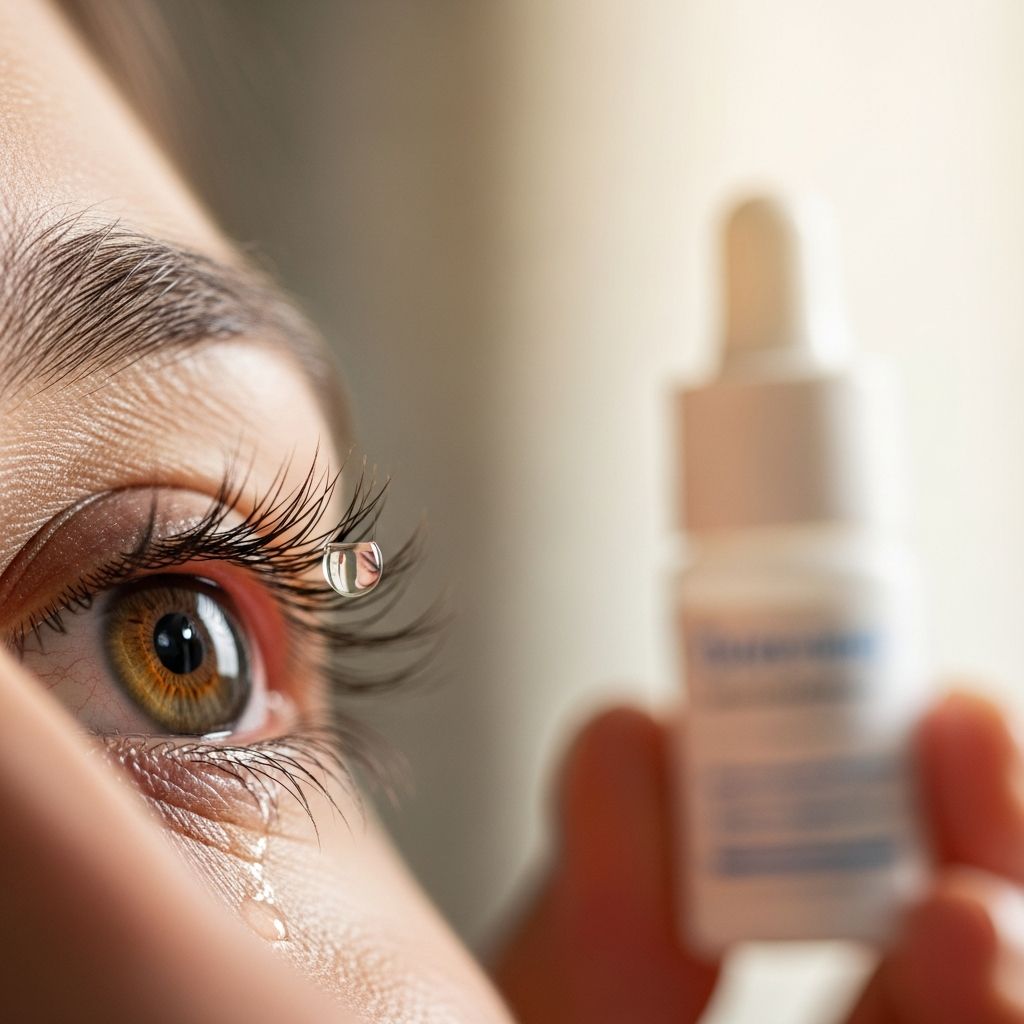
Dry eye syndrome affects millions by disrupting the tear film’s balance, leading to irritation and vision issues. Artificial tears and other eyedrops serve as primary interventions, alongside environmental tweaks and medical options.
Recognizing Dry Eye Syndrome
Dry eye occurs when tear production falters or tears evaporate rapidly, compromising eye lubrication. Symptoms include stinging, redness, blurred vision, and light sensitivity, often worsening in dry or windy conditions.
- Burning sensation: Persistent discomfort mimicking grit in the eyes.
- Excessive tearing: Reflex response to dryness, paradoxically worsening evaporation.
- Foreign body feeling: As if something is lodged on the surface.
- Fatigue: Prolonged reading or screen use intensifies strain.
These signs signal imbalance in the tear layers: aqueous (watery base), lipid (oily seal), and mucin (adhesive coating).
Primary Causes Behind Dry Eyes
Multiple factors contribute, categorized into aqueous-deficient (low tear volume) and evaporative (rapid loss) types, often overlapping.
| Type | Description | Common Triggers |
|---|---|---|
| Aqueous-Deficient | Insufficient tear secretion | Sjogren’s syndrome, aging, autoimmune diseases |
| Evaporative | Quick tear dissipation | Meibomian gland dysfunction, low blink rate, environmental dryness |
| Mixed | Both issues combined | Contact lenses, medications, prolonged screen time |
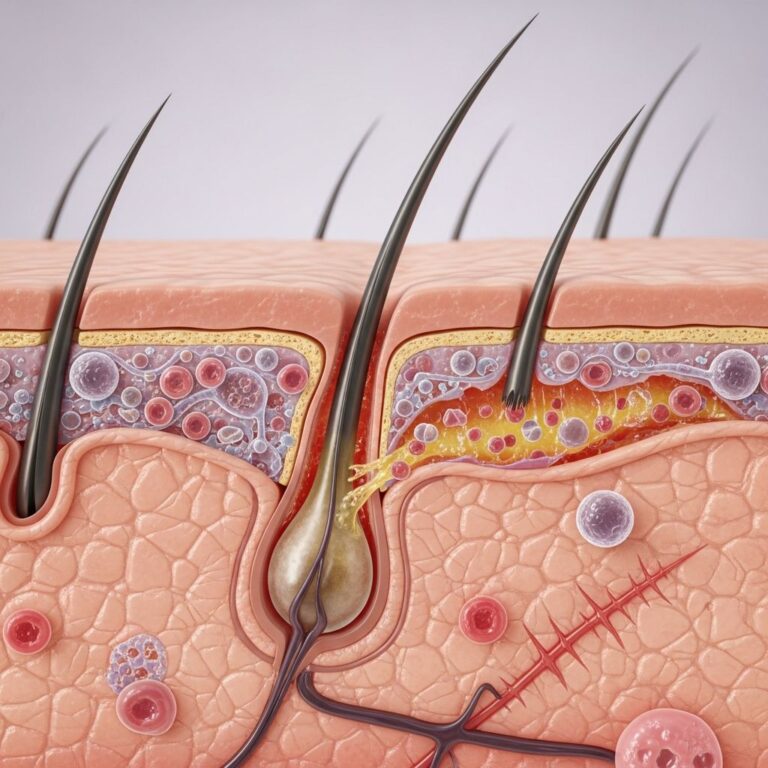
Meibomian glands, lining eyelids, produce oils preventing evaporation; their blockage (MGD) is prevalent.
Lifestyle Modifications for Daily Relief
Non-invasive changes form the foundation of management, targeting environmental and behavioral contributors.
- Use humidifiers to maintain indoor moisture levels above 40%.
- Position away from vents, fans, or direct air currents.
- Follow the 20-20-20 rule: every 20 minutes, view 20 feet away for 20 seconds.
- Blink consciously during digital tasks to spread tears evenly.
- Avoid smoke, allergens, and dehydrating meds like antihistamines when possible.
Omega-3 supplements (fish or flaxseed oil, 2,000mg daily) support gland function and reduce inflammation.
Selecting the Right Eyedrops
Over-the-counter artificial tears mimic natural tears, available in gels, drops, or ointments.
- Preserved drops: Suitable for infrequent use (under 4x/day); preservatives prevent bacterial growth but may irritate with overuse.
- Preservative-free: Ideal for frequent application or sensitive eyes, in single-use vials.
- Gel formulations: Thicker for prolonged lubrication, less blurring.
- Avoid vasoconstrictors: Redness-relief drops (e.g., those ‘getting the red out’) rebound worse symptoms.
Apply 2-4 times daily or as needed; nighttime ointments seal moisture.
Advanced Eyedrop Therapies
For persistent cases, prescription options target inflammation and production deficits.
- Cyclosporine (Restasis): Immunomodulator boosting tear output; effects build over weeks.
- Lifitegrast (Xiidra): Blocks inflammation pathways, faster onset.
- Corticosteroids: Short-term for flares, risk of side effects limits duration.
- Cholinergics (pilocarpine): Oral/gel forms stimulate glands; sweating possible.
Severe cases may use autologous serum drops, crafted from patient’s blood for natural growth factors.
Eyelid and Gland Maintenance Routines
MGD demands hygiene to unclog glands.
- Apply warm compress (microbead mask, 10-15 minutes daily) to melt oils.
- Gently massage lids toward drainage points.
- Clean with hypochlorous acid sprays or baby shampoo scrubs.
Related Stories



In-office thermal pulsation devices apply precise heat/massage; IPL reduces inflammation.
Procedural Interventions
When conservative measures fail:
- Punctal plugs: Silicone/temporary inserts block tear ducts, retaining moisture; reversible.
- Scleral lenses: Vault over cornea, trapping fluid for protection.
- Tear-stimulating sprays (varenicline nasal): Activates nerves for production.
Consult specialists for tailoring.
Prevention Strategies for Long-Term Eye Health
Proactive habits minimize recurrence:
- Hydrate adequately (8 glasses water daily).
- Protect with wraparound sunglasses outdoors.
- Limit contact lens wear; opt for daily disposables.
- Monitor systemic health: thyroid, arthritis links.
Annual eye exams detect early changes, especially post-40 or with risks.
FAQ
How often should I use artificial tears?
Up to 4 times daily for preserved; unlimited for preservative-free.
Can screens cause permanent dry eye?
They exacerbate via reduced blinking but rarely cause permanence if managed.
Are omega-3s effective for everyone?
Beneficial for many with MGD; consult doctor for dosing.
What if drops don’t help after two weeks?
Seek evaluation for prescriptions or procedures.
Is dry eye reversible?
Often manageable to symptom-free with consistent care.
When to Consult an Eye Specialist
Persistent symptoms despite OTC remedies warrant professional assessment. Tests like tear breakup time, Schirmer’s, or gland imaging guide therapy. Interprofessional care improves outcomes.
References
- Dry Eye Syndrome – StatPearls — NCBI Bookshelf, NIH. 2023-05-01. https://www.ncbi.nlm.nih.gov/books/NBK470411/
- Dry eyes – Diagnosis & treatment — Mayo Clinic. 2023-10-12. https://www.mayoclinic.org/diseases-conditions/dry-eyes/diagnosis-treatment/drc-20371869
- Dry Eye Is on the Rise: Here’s How to Get Relief — Yale Medicine. 2023-07-15. https://www.yalemedicine.org/news/dry-eye-relief
- Dry Eye Syndrome — UF Health. 2024-02-20. https://ufhealth.org/conditions-and-treatments/dry-eye-syndrome
Similar Articles








Read full bio of medha deb