Effects Of Alcohol On The Brain: What You Need To Know
Understand how alcohol impacts brain function, from short-term impairments to long-term damage and addiction risks.
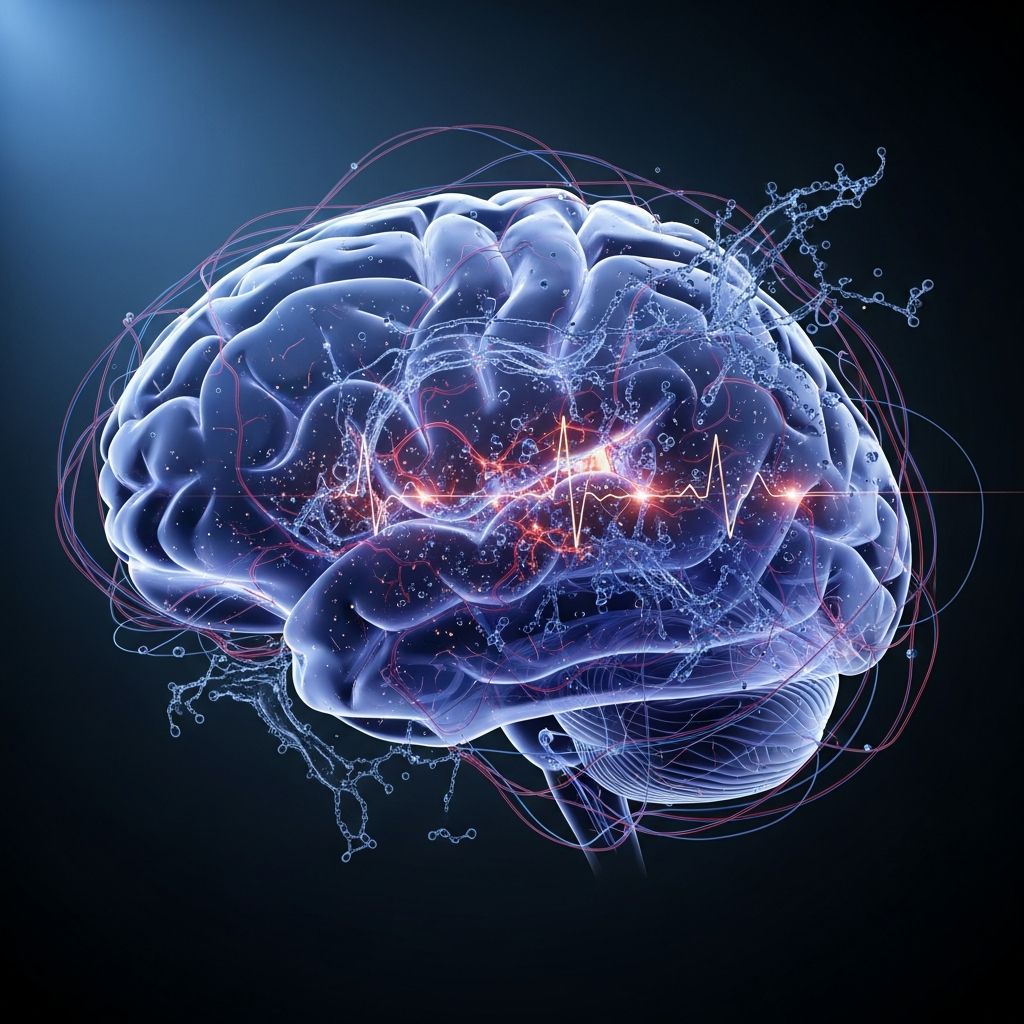
Alcohol profoundly affects brain function, disrupting communication pathways and leading to immediate impairments in judgment, memory, and coordination, as well as long-term structural changes that can contribute to addiction and cognitive decline.
The brain, a complex organ responsible for thought, emotion, movement, and vital functions, is highly sensitive to alcohol—a central nervous system depressant that alters neurotransmitter activity and neuronal signaling. Short-term effects include slurred speech, slowed thinking, and blackouts, while chronic heavy drinking can shrink brain tissue, impair memory, and increase risks of dementia. This article examines these impacts across various contexts, from casual use to alcohol use disorder (AUD).
How Alcohol Affects the Brain
Alcohol interferes with the brain’s communication pathways by enhancing inhibitory neurotransmitters like GABA while suppressing excitatory ones like glutamate, resulting in sedation, slowed cognition, and impaired motor control. It primarily targets areas like the prefrontal cortex (decision-making), cerebellum (balance), and hippocampus (memory), making everyday tasks harder during intoxication.
Acute exposure causes reversible disruptions, but repeated heavy use leads to neuroadaptations: neurons shrink, white matter integrity declines, and brain volume reduces, particularly in the frontal lobes. These changes heighten injury risk due to poor balance, judgment, and reaction times. Moderate drinking (up to 1 drink/day for women, 2 for men) may pose lower risks, but binge or heavy use (4+ drinks/day for men, 3+ for women) accelerates damage.
Short-Term Effects of Alcohol on the Brain
Even moderate alcohol intake quickly impairs brain function. Within minutes, blood alcohol concentration (BAC) rises, affecting speech, memory formation, and judgment. Common short-term effects include:
- Impaired judgment and decision-making: Alcohol suppresses the prefrontal cortex, leading to risky behaviors like drunk driving or unprotected sex.
- Slurred speech and slowed thinking: Disruptions in neural signaling cause verbal delays and cognitive fog.
- Balance and coordination issues: Cerebellum interference increases fall risks.
- Memory lapses: Partial or full blackouts occur when BAC blocks hippocampal memory consolidation.
These effects peak at BAC levels of 0.08% (legal driving limit in many places) but can start as low as 0.02%. Symptoms like headaches, numbness, and irritability often follow, signaling neurotoxicity.
Alcohol-Induced Blackouts
Alcohol-induced blackouts represent a severe short-term memory failure, where individuals cannot recall events despite being conscious. They occur when high BAC rapidly floods the hippocampus, preventing short-term memories from transferring to long-term storage—a process called memory consolidation.
Unlike passing out, blackout victims appear functional but later have total (en bloc) or fragmentary (fragmentary) gaps. Risk factors include rapid drinking (bingeing), empty stomach consumption, and genetics. Adolescents and those with low body weight are especially vulnerable.
Blackouts signal dangerous intoxication levels and predict future AUD risks. Frequent episodes correlate with hippocampal damage and broader cognitive deficits.
Long-Term Effects of Alcohol on the Brain
Chronic heavy drinking induces lasting brain changes. Neurons atrophy, gray and white matter volumes decrease (up to 10-20% in severe AUD), and connectivity between regions falters. Key long-term impacts include:
- Cognitive decline: Deficits in learning, problem-solving, and executive function mimic early dementia.
- Memory impairment: Persistent hippocampal damage leads to anterograde amnesia.
- Emotional dysregulation: Altered serotonin and dopamine pathways exacerbate depression, anxiety, and mood swings.
- Motor dysfunction: Cerebellar shrinkage causes tremors, gait instability, and neuropathy.
Related Stories



Heavy use also risks Wernicke-Korsakoff syndrome from thiamine (B1) deficiency: confusion, ataxia, and confabulation. Overall, these changes drive the cycle from occasional use to AUD.
Alcohol Use Disorder (AUD) and the Brain
AUD, affecting 29 million U.S. adults, stems from brain adaptations where alcohol hijacks reward circuits. The mesolimbic dopamine pathway becomes hypersensitive, creating intense cravings and compulsion despite harms.
Structural shifts include enlarged ventricles, cortical thinning, and reduced frontal activity, impairing impulse control and reinforcing addiction. Moderate-to-severe AUD traps users in a cycle: tolerance builds, withdrawal causes anxiety/seizures, and relapse follows.
Recovery potential exists—abstinence for months can partially reverse changes, improving cognition and volume via neuroplasticity. However, full restoration varies by duration/severity of use.
Alcohol’s Effects on the Adolescent Brain
Teen brains, still maturing until age 25, are hypersensitive to alcohol. The prefrontal cortex develops last, making youth prone to impulsivity amplification.
Binge drinking disrupts myelination (insulating neural fibers) and synaptic pruning, stunting executive function, memory, and emotional regulation long-term. Adolescents risk steeper cognitive declines, higher AUD odds, and mental health issues.
NIAAA data shows even episodic heavy use alters structure/function persistently.
Prenatal Alcohol Exposure
No safe alcohol amount exists during pregnancy; any exposure risks fetal brain damage. Alcohol crosses the placenta, peaking fetal BAC higher/more slowly than maternal, disrupting neurodevelopment.
Fetal Alcohol Spectrum Disorders (FASD) result: microcephaly, cognitive/behavioral deficits, and lifelong issues like poor impulse control and learning disabilities. Damage can occur pre-knowledge of pregnancy.
CDC estimates 1 in 20 U.S. schoolchildren has FASD; prevention is key.
Alcohol Overdose and the Brain
Overdose (BAC 0.30%+) shuts down brainstem functions controlling breathing/heart rate. Symptoms: confusion, seizures, hypothermia, coma.
Survivors face permanent damage: anoxia from depressed respiration causes neuronal death, leading to deficits or disability. Bystander intervention (e.g., naloxone myths aside—call 911) saves lives.
Can the Brain Recover from Alcohol Damage?
Abstinence enables partial recovery via neuroplasticity. Studies show volume gains, improved cognition after 6-12 months sober. Younger brains rebound better; severe AUD may leave residuals.
Nutrition (thiamine), exercise, and therapy aid repair. However, cirrhosis-related toxins or prolonged atrophy limit full reversal.
| Time Sober | Improvements Observed |
|---|---|
| 1-3 Months | Sleep normalizes, anxiety eases, basic cognition improves |
| 6-12 Months | Brain volume increases 5-15%, memory/executive function gains |
| 1+ Years | Sustained neurotransmitter balance, reduced relapse risk |
Frequently Asked Questions (FAQs)
Does alcohol kill brain cells?
Alcohol doesn’t directly kill cells but disrupts their function and causes shrinkage/atrophy with heavy use, leading to impairments like memory loss and dementia risks.
Can moderate drinking benefit the brain?
Some studies suggest cardiovascular perks, but no proven brain benefits; excess even moderate use raises cancer/depression risks.
Is alcohol withdrawal brain-damaging?
Yes, severe withdrawal (delirium tremens) risks seizures/stroke; medical detox is essential.
How much alcohol causes blackouts?
Varies by factors like speed/amount (often 5+ drinks rapidly); women/lower weights more susceptible.
Can brain damage from alcohol be reversed?
Partially yes with sustained sobriety; early intervention maximizes recovery.
References
- The Powerful Effects of Alcohol on the Mind and Body — Trinity Health Michigan. 2023-12-18. https://www.trinityhealthmichigan.org/newsroom/blog-articles/powerful-effects-alcohol-mind-and-body
- Does drinking alcohol kill brain cells? — Mayo Clinic Health System. (Accessed 2026). https://www.mayoclinichealthsystem.org/hometown-health/speaking-of-health/does-drinking-alcohol-kill-brain-cells
- Alcohol and the Brain: An Overview — National Institute on Alcohol Abuse and Alcoholism (NIAAA), NIH. (Accessed 2026). https://www.niaaa.nih.gov/publications/alcohol-and-brain-overview
- Staying Healthy: Heavy Drinking Linked to Severe Brain Damage — AllCare Health. (Accessed 2026). https://www.allcarehealth.com/articles-events/articles/staying-healthy-heavy-drinking-linked-to-severe-brain-damage
Similar Articles








Read full bio of Sneha Tete