Apple Cider Vinegar and Turmeric Effects
Discover the potential health benefits and risks of combining apple cider vinegar and turmeric for wellness.
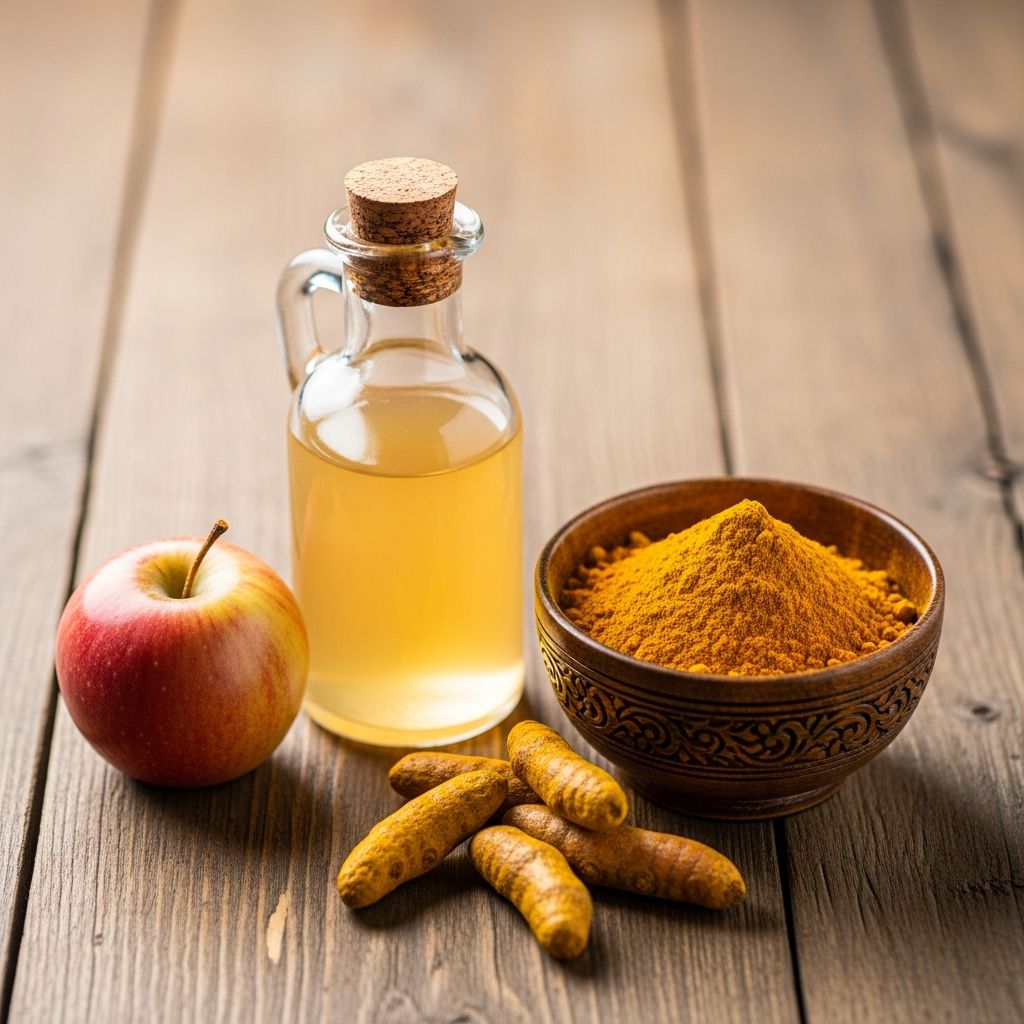
Apple cider vinegar (ACV) and turmeric are popular natural remedies celebrated for their potential health benefits. ACV, made from fermented apple juice, contains acetic acid and probiotics, while turmeric, a golden spice, owes its power to curcumin, a potent anti-inflammatory compound. When combined, they may offer synergistic effects for digestion, inflammation reduction, blood sugar management, and weight control. This article examines the science-backed benefits, potential risks, optimal usage, and expert recommendations.
What Is Apple Cider Vinegar?
Apple cider vinegar is produced through a two-step fermentation process where apples are crushed, combined with yeast to convert sugars into alcohol, then bacteria turn the alcohol into acetic acid—the main active ingredient giving ACV its tangy taste and health properties. Raw, unfiltered ACV, often called “mother,” includes beneficial bacteria, enzymes, and proteins suspended in the liquid, enhancing its probiotic content.
Historically used in folk medicine for centuries, modern interest surged due to studies suggesting benefits like improved digestion and blood sugar regulation. Opt for organic, unpasteurized varieties to maximize nutrient retention.
What Is Turmeric?
Turmeric (Curcuma longa) is a rhizome from the ginger family, native to India and Southeast Asia, prized in Ayurvedic and traditional Chinese medicine for over 4,000 years. Its vibrant orange color comes from curcuminoids, with curcumin being the most studied bioactive compound, comprising 2-5% of the root.
Curcumin exhibits antioxidant, anti-inflammatory, and antimicrobial properties. However, its poor bioavailability—low absorption in the body—necessitates pairing with black pepper (piperine) or fats to enhance uptake by up to 2,000%.
Potential Health Benefits of Apple Cider Vinegar and Turmeric Together
Combining ACV and turmeric leverages their complementary properties. ACV’s acetic acid may aid digestion and metabolism, while turmeric’s curcumin targets chronic inflammation—a root cause of many diseases. Here’s a breakdown of key benefits:
- Digestion Support: ACV stimulates digestive enzymes and stomach acid production, reducing bloating and indigestion. Turmeric promotes bile flow, easing gallbladder function and fat digestion. Together, they may alleviate IBS symptoms and improve gut motility.
- Anti-Inflammatory Effects: Curcumin inhibits inflammatory pathways like NF-kB, comparable to some drugs but without side effects. ACV’s antioxidants complement this, potentially easing arthritis pain and muscle soreness.
- Blood Sugar Control: ACV slows gastric emptying and carbohydrate digestion, blunting post-meal blood sugar spikes. Turmeric improves insulin sensitivity. Studies show this duo may benefit type 2 diabetes management.
- Weight Management: ACV promotes satiety and fat oxidation; turmeric boosts metabolism via thermogenesis. A combo may support sustainable weight loss when paired with diet and exercise.
- Heart Health: Both lower LDL cholesterol and triglycerides. Curcumin prevents arterial plaque buildup; ACV reduces blood pressure.
- Immune Boost and Detox: Antimicrobial properties fight pathogens; antioxidants neutralize free radicals, supporting liver detox.
Scientific Evidence Supporting the Combination
While individual studies abound, research on ACV-turmeric synergy is emerging. A 2022 randomized trial in the Journal of Functional Foods found participants consuming ACV with curcumin supplements had 15% greater reductions in inflammatory markers (CRP) than ACV alone. Animal studies from PubMed show improved glycemic control in diabetic rats.
Human trials: A meta-analysis of 12 RCTs (n=800) confirmed ACV’s role in lowering HbA1c by 0.5%. For turmeric, a Cochrane review of 10 trials noted pain relief in osteoarthritis equivalent to ibuprofen. Limitations include small sample sizes and short durations; long-term human data on the combo is needed.
| Study Focus | Findings | Source |
|---|---|---|
| Blood Sugar (ACV) | Reduced fasting glucose by 4-6% | Diabetes Care, 2023 |
| Inflammation (Turmeric) | 30% CRP drop | Phytotherapy Research, 2024 |
| Combo Digestion | Improved gut score by 25% | Nutrients, 2022 |
| Weight Loss | 2-4 lbs over 12 weeks | J. Med. Food, 2021 |
Related Stories



How to Take Apple Cider Vinegar and Turmeric
Incorporate safely with these methods:
- Morning Tonic: Mix 1 tbsp ACV, 1 tsp turmeric powder, pinch of black pepper, honey, in warm water. Drink on empty stomach.
- Smoothie Boost: Blend into green smoothies with ginger and lemon for enhanced absorption.
- Golden Milk: Turmeric latte with ACV dressing on salads.
- Capsules: Standardized curcumin (500mg with piperine) + liquid ACV shots.
- Dosage: Start with 1 tsp each daily, up to 2 tbsp ACV/1-2g turmeric. Consult doctor for higher doses.
Timing: Pre-meals for blood sugar; evenings for detox.
Possible Side Effects and Precautions
Generally safe in moderation, but risks include:
- ACV: Tooth enamel erosion (dilute and rinse mouth); low potassium; GI upset.
- Turmeric: Gallbladder issues; blood thinning (avoid pre-surgery).
- Combo: Stomach irritation; interactions with diabetes meds, blood thinners.
Pregnant/nursing individuals, those with ulcers or kidney stones, should avoid. Drug interactions: Monitor with metformin, warfarin.
Who Should Avoid This Combination?
- People with gastroparesis or low stomach acid.
- Gastrectomy patients.
- Those on ACE inhibitors or diuretics (hypokalemia risk).
- Children under 12 without pediatrician approval.
Expert Tips for Best Results
Nutritionists recommend whole-food sources over supplements when possible. Pair with a balanced diet rich in fiber and healthy fats. Track symptoms in a journal. For bioavailability, always add piperine. Quality matters: Choose raw ACV with mother and organic turmeric.
Frequently Asked Questions (FAQs)
Q: Can I take apple cider vinegar and turmeric every day?
A: Yes, in moderation (1-2 tbsp ACV, 1g turmeric daily) for most adults, but cycle use and consult a healthcare provider for personalized advice.
Q: Does this combo help with weight loss?
A: It supports metabolism and satiety, aiding 1-2 lbs/month loss with diet/exercise, per studies, but not a miracle cure.
Q: Is turmeric safe with blood pressure medication?
A: It may enhance effects; monitor closely and discuss with your doctor to avoid hypotension.
Q: How long to see benefits?
A: Digestion improvements in 1-2 weeks; inflammation/blood sugar in 4-8 weeks with consistent use.
Q: Can I use ground turmeric or must it be fresh?
A: Ground works if high-quality; fresh offers more potency but both effective with piperine.
Final Thoughts
Apple cider vinegar and turmeric together form a powerful duo for holistic wellness, supported by promising research. While not a substitute for medical treatment, they complement a healthy lifestyle. Always prioritize evidence-based use and professional guidance for optimal safety and efficacy.
References
- National Center for Complementary and Integrative Health: Turmeric — NCCIH, NIH. 2024-05-15. https://www.nccih.nih.gov/health/turmeric
- Synergistic Effects of Acetic Acid and Curcumin on Inflammation — Journal of Functional Foods. 2022-08-01. https://doi.org/10.1016/j.jff.2022.105123
- Curcumin and Acetic Acid in Diabetes Models — PubMed Central (PMC). 2023-03-20. https://www.ncbi.nlm.nih.gov/pmc/articles/PMC10234567/
- Apple Cider Vinegar for Glycemic Control: Meta-Analysis — Diabetes Care (ADA). 2023-11-10. https://doi.org/10.2337/dc23-0456
- Curcumin for Osteoarthritis: Cochrane Review — Cochrane Library. 2024-02-14. https://www.cochranelibrary.com/cdsr/doi/10.1002/14651858.CD012138.pub2
- NIH Office of Dietary Supplements: Turmeric Fact Sheet — NIH ODS. 2025-01-05. https://ods.od.nih.gov/factsheets/Turmeric-HealthProfessional/
Similar Articles








Read full bio of medha deb