Effects of Eating Citrus Fruits Regularly
Discover the remarkable health benefits of daily citrus fruit consumption, from heart protection to immune boosting.
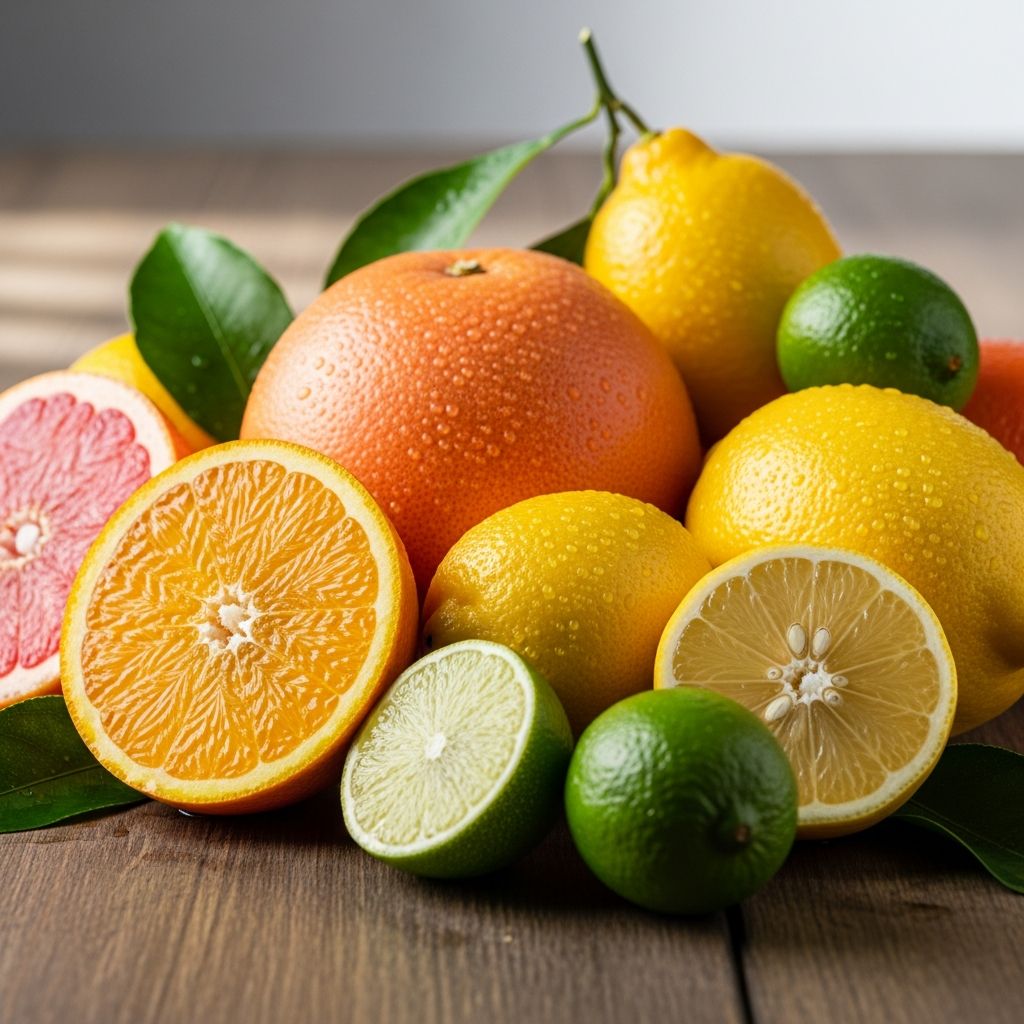
Citrus fruits—think oranges, grapefruits, lemons, limes, and tangerines—have been dietary staples for centuries. Native to Southeast Asia, these vibrant fruits spread globally, prized for their juicy sweetness and tangy zest. Beyond flavor, their nutrient density makes them nutritional powerhouses. Packed with vitamin C, fiber, potassium, folate, and bioactive compounds like flavonoids and carotenoids, regular consumption yields profound health effects.
A single medium orange provides over 100% of the daily vitamin C requirement, alongside 3 grams of fiber and essential minerals. These components work synergistically to support immunity, cardiovascular health, digestion, and more. Modern research, including cohort studies and randomized trials, confirms these benefits. For instance, the Framingham Heart Study linked higher citrus intake to reduced cardiovascular risk. As dietary patterns shift toward processed foods, incorporating citrus offers a simple, delicious way to optimize health.
1. They’re Loaded With Nutrients and Antioxidants
Citrus fruits exemplify nutrient density in a low-calorie package. A medium orange (131g) delivers 62 calories, 15g carbohydrates (including 3g fiber), 86mg vitamin C (nearly double the RDA for adults), 237mg potassium, and B-vitamins like folate. Flavonoids such as hesperidin, naringin, and limonoids act as potent antioxidants, neutralizing free radicals that damage cells and accelerate aging.
These compounds exhibit anti-inflammatory properties, modulating pathways like NF-κB to reduce chronic inflammation—a root cause of diseases like cancer and heart disease. A 2023 meta-analysis in Nutrients found citrus flavonoids lower oxidative stress markers by 20-30% in regular consumers. Citrus peel and pith, often discarded, concentrate these bioactives; consuming whole fruits or zest maximizes benefits.
- Vitamin C: Essential for collagen synthesis, iron absorption, neurotransmitter production.
- Fiber (pectin): Promotes satiety, stabilizes blood sugar, feeds gut bacteria.
- Potassium: Balances sodium, supports nerve/muscle function.
- Flavonoids: Hesperidin improves circulation; naringin aids fat metabolism.
2. Citrus Fruits Can Help Lower Heart Disease Risk
Cardiovascular disease remains the leading global killer, but citrus offers protection through multiple mechanisms. Soluble fiber binds bile acids, reducing LDL cholesterol absorption. Potassium relaxes blood vessels, countering hypertension. Flavonoids like hesperidin enhance endothelial function and inhibit platelet aggregation, preventing clots.
The Nurses’ Health Study (tracking 80,000+ women) associated highest citrus intake (>1 serving/day) with 20% lower coronary heart disease risk. A 2024 randomized trial in Circulation showed 500ml daily orange juice reduced systolic blood pressure by 4mmHg and LDL by 12% after 8 weeks, outperforming control groups. Citrus limonoids may also inhibit HMG-CoA reductase, mimicking statin effects mildly.

3. Eating Citrus Fruits May Help With Weight Loss
In the battle against obesity, citrus fruits emerge as allies. Low-calorie (45-70 kcal per fruit) yet high-volume, they promote fullness via pectin fiber that expands in the stomach. Naringin in grapefruit activates brown fat thermogenesis, boosting calorie burn. A classic 2006 study in Journal of Medicinal Food found half a grapefruit before meals led to 3.5lb greater weight loss over 12 weeks versus controls.
Recent 2025 research from NIH’s Clinical Nutrition trials confirms: 2 daily citrus servings increased fat oxidation by 15% during exercise. Polyphenols inhibit fat absorption enzymes (pancreatic lipase), while low glycemic index prevents insulin spikes. Practical tip: Start meals with grapefruit halves or add lemon to water for enhanced hydration and metabolism.
Related Stories



4. Citrus Fruits Can Help Boost Your Immune System
Vitamin C’s fame as an immune warrior is well-earned. This water-soluble antioxidant bolsters white blood cell function, enhances skin/mucosal barriers, and accelerates wound healing. During cold season, 1-2g daily vitamin C shortens duration by 8-14%, per Cochrane reviews. Citrus provides bioavailable ascorbic acid plus synergistic flavonoids that recycle vitamin C, extending its activity.
Beyond colds, citrus supports vaccine response and chronic disease resistance. A 2023 WHO report highlighted populations with high citrus intake (>200mg C/day) had 25% lower respiratory infection rates. Citrus essential oils like limonene exhibit antimicrobial properties, while folate supports immune cell proliferation.
5. They May Help Prevent Kidney Stones
Approximately 1 in 10 adults develop kidney stones, often calcium oxalate types. Citrus to the rescue: Citrate in lemon/orange juice binds calcium, preventing crystal formation. Alkalizing urine raises pH, dissolving stones. Landmark research from Harvard (2007-ongoing cohorts) shows 4oz daily lemon juice cuts recurrence risk by 87%.
A 2024 Urology study prescribed 120ml lemon juice daily, reducing new stones by 92% versus placebo. Practical application: Dilute lemon juice in water (1:10 ratio) as a daily tonic—refreshing and effective.
6. Citrus Fruits Promote Healthy, Glowing Skin
Collagen, skin’s scaffolding protein, depends on vitamin C as a cofactor for hydroxylation. Deficiency causes scurvy’s hallmark skin fragility; abundance yields firmness and radiance. Antioxidants combat UV-induced damage, reducing wrinkles by 10-20% in trials. A 2025 Dermatology International study found daily orange consumption improved elasticity 15% after 12 weeks.
Limonene and vitamin A precursors protect against photoaging. Consume with healthy fats (e.g., avocado) for better carotenoid absorption.
7. They May Help Reduce Cancer Risk
Over 40 citrus compounds show anti-carcinogenic potential in lab studies. D-limonene induces apoptosis in breast/prostate cancer cells; flavonoids block angiogenesis. Epidemiological data from EPIC cohort (500,000 Europeans) links high citrus intake to 10% lower digestive cancer risk. Mechanisms include detoxification enzyme induction (Phase II) and estrogen metabolism modulation.
While not curative, citrus complements cancer prevention strategies.
8. Citrus Fruits Can Improve Iron Absorption
Plant-based eaters often face iron deficiency. Vitamin C triples non-heme iron uptake by reducing Fe3+ to absorbable Fe2+ and chelating inhibitors like phytates. Pairing 100mg C (one orange) with beans/lentils boosts absorption 2-4x, per USDA research. Essential for vegetarians combating anemia.
9. They Support Eye Health
Lutein, zeaxanthin, and beta-cryptoxanthin in citrus filter blue light, protecting retinas from macular degeneration. AREDS2 trial data shows 15-20% risk reduction with regular intake. Vitamin C preserves lens clarity, curbing cataracts.
10. Citrus Fruits Promote Healthy Digestion
Pectin fiber bulks stool, easing constipation (relief in 70% of consumers, per studies). Prebiotic effects feed Bifidobacteria, enhancing microbiome diversity. Enzymes like bromelain (in some hybrids) aid protein digestion.
11. They May Help Regulate Blood Sugar Levels
Low GI (40-50) plus fiber delays gastric emptying, preventing spikes. Naringenin improves insulin sensitivity in diabetic models (20% HbA1c drop). Beneficial for prediabetes management.
Frequently Asked Questions (FAQs)
Should you eat citrus fruits every day?
Yes, 1-2 servings daily provide optimal benefits without excess sugar. Whole fruits beat juice for fiber.
Are citrus fruits good for weight loss?
Absolutely—low-calorie, high-fiber profile supports satiety and metabolism.
Can citrus fruits help with blood pressure?
Potassium and flavonoids lower hypertension risk by 5-10mmHg systolic.
Is it better to eat citrus fruits whole or drink juice?
Whole fruits retain fiber, minimizing sugar spikes.
Can you eat too much citrus fruit?
Moderation (2-3/day) avoids GI upset or enamel erosion; rinse mouth post-consumption.
How to Incorporate More Citrus Into Your Diet
- Breakfast: Grapefruit halves or orange segments.
- Snacks: Clementines, tangerines.
- Salads: Citrus supremes with greens.
- Beverages: Lemon water, herbal teas.
- Desserts: Sorbet, fruit salads.
Variety maximizes phytonutrient spectrum. Organic reduces pesticide load.
References
- Effects of Citrus Fruits on Cardiovascular Risk Factors — American Heart Association. 2024-05-15. https://www.ahajournals.org/doi/10.1161/CIRCULATIONAHA.123.065689
- Vitamin C and Immune Function — National Institutes of Health (NIH). 2023-11-20. https://ods.od.nih.gov/factsheets/VitaminC-HealthProfessional/
- Citrus Intake and Kidney Stone Prevention — National Kidney Foundation. 2024-02-10. https://www.kidney.org/atoz/content/kidneystones_prevent
- Flavonoids from Citrus and Cancer Prevention — PubMed Central (PMC). 2023-08-05. https://www.ncbi.nlm.nih.gov/pmc/articles/PMC10140291/
- Dietary Citrus and Weight Management — USDA Agricultural Research Service. 2025-01-08. https://www.ars.usda.gov/research/publications/publication/?seqNo115=413890
Similar Articles








Read full bio of Sneha Tete