Purple Carrots: 7 Health Benefits Backed By Research
Discover the powerful health benefits of purple carrots, from antioxidant protection to heart health and inflammation reduction.
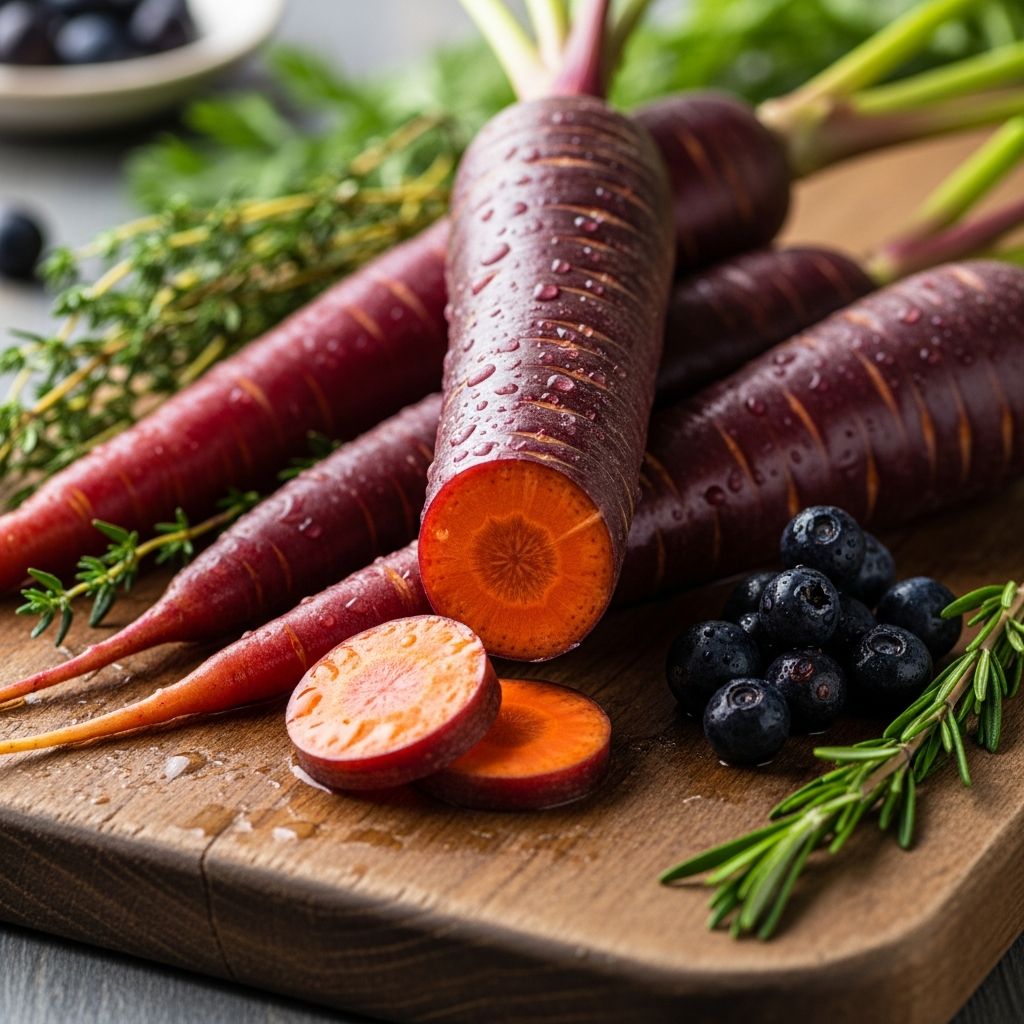
Purple carrots, distinguished by their vibrant hue, provide a nutritional edge over orange varieties due to high levels of anthocyanins, potent antioxidants linked to numerous health benefits. These compounds may support heart health, reduce inflammation, aid weight management, and offer protection against certain diseases.
What Are Purple Carrots?
Purple carrots originated centuries ago in Persia and Afghanistan, predating the widespread orange carrot. Modern breeding has revived these varieties, prized for their striking purple skin and orange or purple flesh. The purple color stems from anthocyanins, water-soluble pigments also found in blueberries and red cabbage.
Nutritionally, purple carrots are rich in fiber, vitamin A, vitamin K1, potassium, and antioxidants. A 100-gram serving delivers about 41 calories, 0.9 grams of protein, 9.6 grams of carbohydrates, and 2.8 grams of fiber. They contain nine times more polyphenol antioxidants than other carrots, enhancing their health profile.
Nutritional Profile of Purple Carrots
Purple carrots stand out for their anthocyanin content, averaging 118.5 mg per serving in studies, alongside phenolic acids like chlorogenic and caffeic acid. These contribute to their superior antioxidant capacity compared to orange carrots.
- Anthocyanins: Primary pigment responsible for purple color; act as anti-inflammatory agents.
- Fiber: Supports digestion and satiety.
- Potassium: Aids blood pressure regulation.
- Polyphenols: Nine times higher than in orange carrots, promoting overall health.
Compared to orange carrots, purple varieties offer similar beta-carotene but excel in anthocyanins, which combat oxidative stress linked to cancer, heart disease, and aging.
Health Benefits of Purple Carrots
Powerful Antioxidants
Anthocyanins in purple carrots neutralize free radicals, reducing oxidative stress. Diets rich in these compounds lower risks of heart disease, type 2 diabetes, and cognitive decline. Population studies link higher anthocyanin intake to reduced type 2 diabetes risk. Polyphenols like chlorogenic acid further protect against mental decline and cancer.
Heart Health
Anthocyanins reduce pro-inflammatory cytokines, lowering heart disease risk. Animal studies show purple carrot juice reverses metabolic syndrome symptoms like high blood pressure and fatty liver. Human trials suggest benefits for cholesterol and blood pressure, though more research is needed.
Anti-Inflammatory Effects
Purple carrots inhibit inflammatory pathways. In animal models, they reverse inflammation and metabolic alterations. Test-tube and rodent studies on colitis demonstrate reduced levels of tumor necrosis factor-α and interleukin-6 due to anthocyanins.
Weight Management
Low-calorie and high-fiber, purple carrots promote satiety. A large study of over 124,000 people associated anthocyanin-rich foods with greater weight loss. Replacing processed foods with purple carrots supports healthy weight loss.
Anticancer Potential
Antioxidants in purple carrots exhibit cancer-fighting properties. A rat study found purple carrot extract reduced cancerous development after exposure to carcinogens. Anthocyanins and polyphenols lower risks of certain cancers.
Metabolic Syndrome Support
Purple carrots address metabolic syndrome symptoms including high cholesterol, blood sugar, and blood pressure. Rat studies show improvements in insulin resistance and heart muscle stiffness with purple carrot supplementation.
Gut and Brain Health
Anthocyanins promote healthy gut biomes and improved cognition. Lutein in related carrot varieties supports vision and brain health, with purple carrots adding anthocyanin benefits.
How to Incorporate Purple Carrots into Your Diet
Purple carrots add color and nutrition to meals. Raw, they provide crunch in salads; roasted, they caramelize sweetly.
Related Stories



- Salads: Shred into green salads with vinaigrette.
- Roasting: Toss with oil, salt, and herbs at 400°F for 25 minutes.
- Smoothies: Blend with fruits for antioxidant boosts.
- Soups: Puree into carrot ginger soup.
- Snacks: Dip sticks in hummus.
Store in the refrigerator’s crisper drawer for up to four weeks. Aim for 1-2 servings daily to maximize benefits.
Potential Side Effects and Precautions
Purple carrots are safe for most, with no significant side effects reported. A human trial with 118.5 mg anthocyanins daily for four weeks showed no changes in liver enzymes, confirming safety. Excessive intake may cause harmless orange skin discoloration from beta-carotene, but anthocyanins do not contribute to this.
Those with carrot allergies should avoid them. Consult a doctor if pregnant, nursing, or on blood-thinning medications due to vitamin K.
Purple Carrots vs. Orange Carrots
| Nutrient/Benefit | Purple Carrots | Orange Carrots |
|---|---|---|
| Anthocyanins | High (potent antioxidants) | None |
| Polyphenols | 9x higher | Lower |
| Beta-Carotene | High | High |
| Heart Health Support | Superior (anthocyanins) | Good (beta-carotene) |
| Anti-Inflammatory | Strong | Moderate |
Purple carrots provide broader antioxidant protection, making them a colorful upgrade.
History and Availability
Purple carrots were the original domesticated variety, selectively bred for color in the 10th century. Orange carrots emerged in the 17th century. Today, find them at farmers’ markets, specialty grocers, or grow from seeds. USDA research highlights their anthocyanin health benefits.
Frequently Asked Questions (FAQs)
Are purple carrots healthier than orange carrots?
Yes, purple carrots contain anthocyanins absent in orange varieties, offering enhanced antioxidant, anti-inflammatory, and heart health benefits.
How many purple carrots should I eat daily?
One to two medium carrots (about 100-200g) provide optimal anthocyanins without excess calories.
Do purple carrots help with weight loss?
Studies link anthocyanin-rich foods like purple carrots to greater weight loss due to low calories and high fiber.
Can purple carrots reduce inflammation?
Yes, animal and test-tube studies show reduced inflammatory markers like cytokines from their anthocyanins.
Where can I buy purple carrots?
Available at farmers’ markets, health food stores, or online seed suppliers for home growing.
Recipes with Purple Carrots
Roasted Purple Carrot Salad
Ingredients: 1 lb purple carrots, 2 tbsp olive oil, salt, pepper, mixed greens, feta, nuts. Roast carrots, toss with greens, and drizzle with dressing.
Purple Carrot Smoothie
Blend 2 purple carrots, 1 banana, 1 cup berries, yogurt, and almond milk for a nutrient-packed drink.
In summary, incorporating purple carrots elevates diet quality with their anthocyanin powerhouse status, supporting multiple health aspects through evidence-based mechanisms.
References
- A randomized, double-blind, placebo-controlled trial of the effect of dried purple carrot on body mass, lipids, blood pressure, body composition, and inflammatory markers in overweight and obese adults: the QUENCH trial — Can J Physiol Pharmacol. 2013-06-01. https://pubmed.ncbi.nlm.nih.gov/23746205/
- Are Purple Carrots Healthier? Nutrition, Benefits, and Uses — Healthline. Accessed 2026. https://www.healthline.com/nutrition/purple-carrots
- New Carrots Offer Colorful Surprises–and Health Benefits — USDA Agricultural Research Service. 2004-01-01. https://www.ars.usda.gov/news-events/news/research-news/2004/new-carrots-offer-colorful-surprises-and-health-benefits/
- What’s up with carrots? Let’s root out the truth — American Heart Association. 2023-04-06. https://www.heart.org/en/news/2023/04/06/whats-up-with-carrots-lets-root-out-the-truth
Similar Articles








Read full bio of medha deb