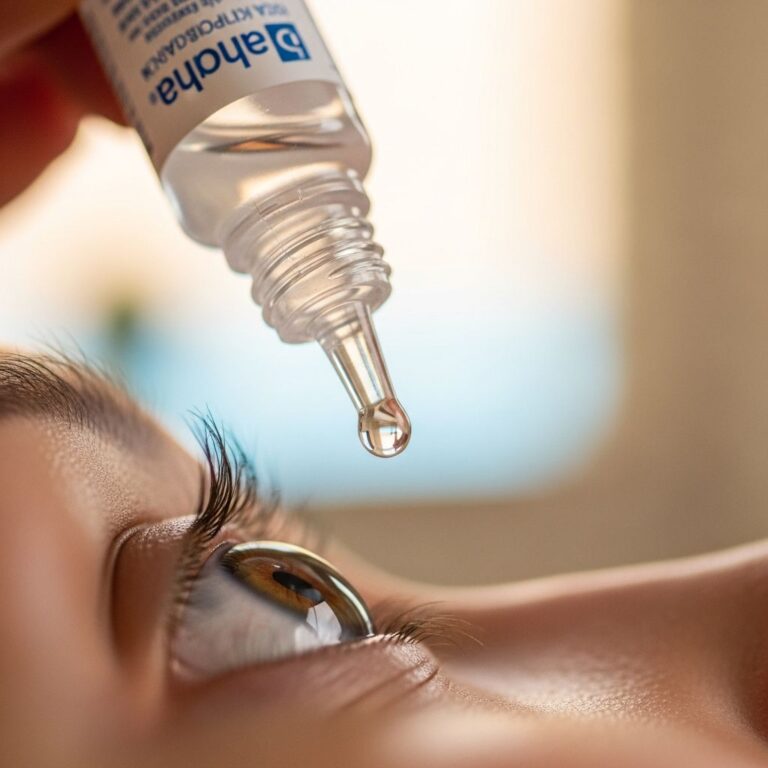
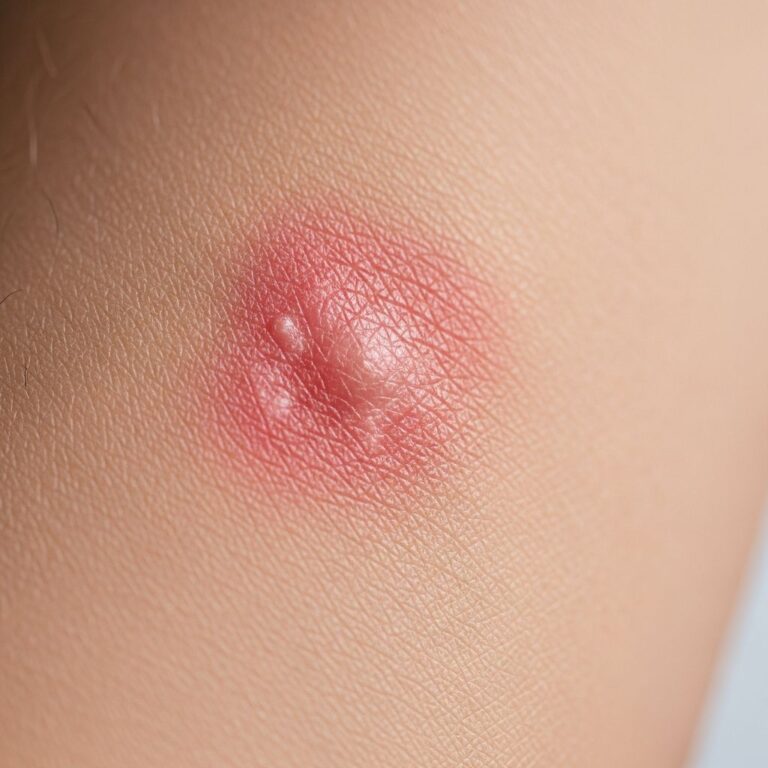
Eflornithine Cream (Vaniqa): Essential Hair Reduction Guide
Comprehensive guide to using eflornithine cream for reducing unwanted facial hair in women effectively and safely.
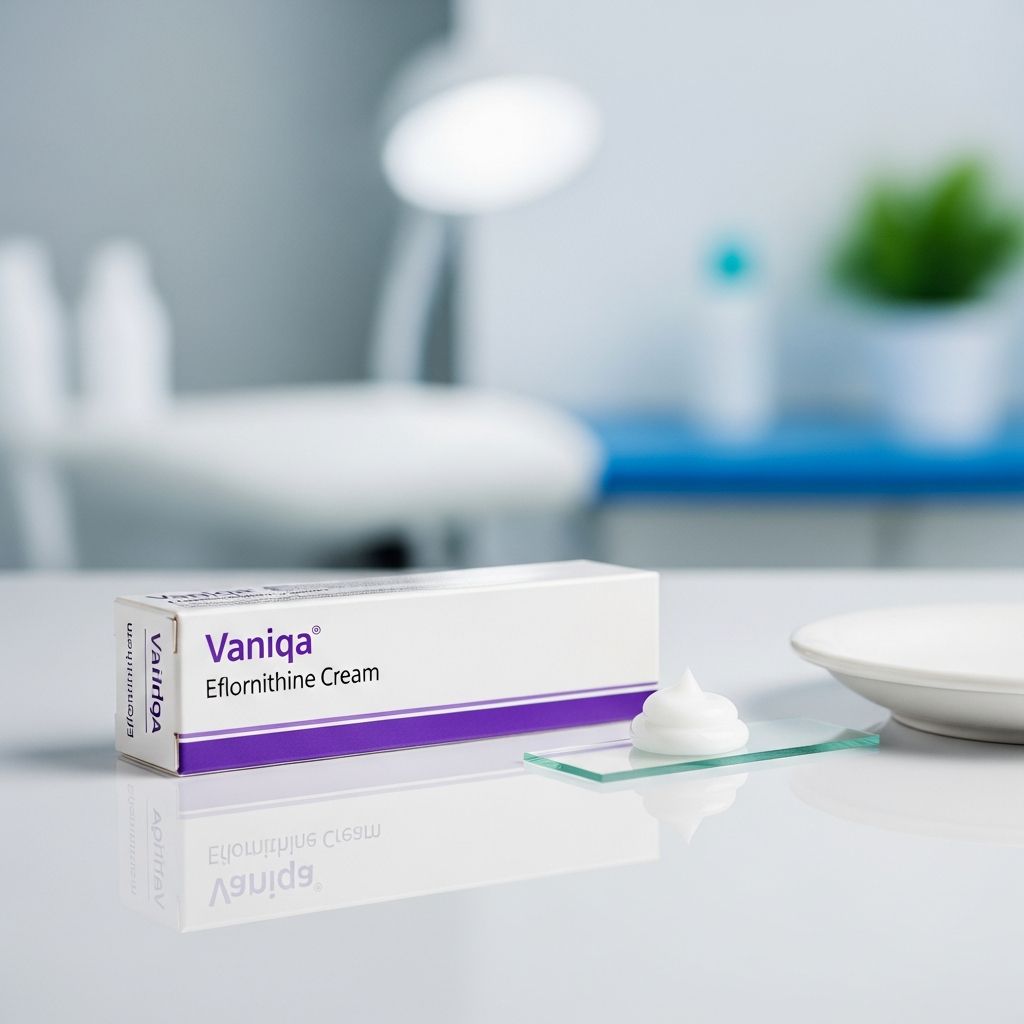
Eflornithine cream, known by the brand name Vaniqa, is a prescription topical treatment designed to reduce unwanted facial hair growth in women. It works by inhibiting an enzyme essential for hair growth, leading to slower and finer hair regrowth over time.
About eflornithine cream
Eflornithine cream contains the active ingredient eflornithine hydrochloride, available as 13.9% in the US (Vaniqa) or 11.5% in other regions. It is specifically indicated for women over 18 years with excessive facial hair (hirsutism), commonly around the upper lip, chin, or cheeks. Unlike depilatory creams that remove hair, eflornithine slows hair growth by blocking ornithine decarboxylase (ODC), an enzyme involved in cell division in hair follicles.
Clinical trials demonstrate its efficacy: approximately 32% of patients achieved marked improvement after 24 weeks, compared to 8% with vehicle alone. Hair reduction becomes noticeable after 4-8 weeks of consistent use, with optimal results by 6 months. Upon discontinuation, hair growth returns to pretreatment levels within about 8 weeks.
This treatment is not a permanent solution and works best alongside methods like shaving or plucking. It addresses hirsutism often linked to conditions such as polycystic ovary syndrome (PCOS), hormonal imbalances, or genetics.
Before using eflornithine cream
Consult your doctor before starting eflornithine cream to ensure suitability. Key considerations include:
- Pregnancy or breastfeeding: Avoid unless advised by a doctor, as safety data is limited.
- Allergies: Do not use if allergic to eflornithine or any ingredients.
- Skin conditions: Not recommended on broken, irritated, sunburned, or inflamed skin, as it may cause stinging or burning.
- Other medications: Inform your doctor of all prescription, over-the-counter, herbal, or cosmetic products used on the face, as interactions may occur.
- Medical history: Discuss any skin sensitivities, previous reactions to topicals, or conditions like acne/rosacea.
Your doctor may perform tests to identify underlying hirsutism causes. Eflornithine is for external facial use only and has not been studied below the chin or on other body areas.
How to use eflornithine cream
Follow the prescribing information and patient leaflet meticulously for best results and safety.
- Dosage: Apply a thin layer twice daily to affected facial areas (upper lip, chin, cheeks) and adjacent skin, at least 8 hours apart (e.g., morning and evening).
- Application steps:
- Ensure skin is clean and dry. If shaved or waxed, wait 5 minutes.
- Apply a pea-sized amount per cheek/chin; rub thoroughly until invisible.
- Avoid eyes, mouth, nose; rinse immediately if contact occurs.
- Wash hands post-application.
- Do not wash face for at least 4 hours to allow absorption.
- With other products: Wait 5 minutes after hair removal; apply cosmetics/moisturizers 4+ hours after cream.
- Duration: Use continuously for results. Stop and consult doctor if no improvement after 6 months.
Important notes: Vaniqa is not a depilatory—continue shaving/plucking as needed. Overuse won’t speed results and may increase irritation.
Cautions and side effects
Most side effects are mild and skin-related, resolving without intervention.
Common side effects
| Side Effect | Frequency | Management |
|---|---|---|
| Acne | ~11-15% | Speak to doctor if troublesome |
| Stinging/burning/tingling | ~5% | Reduce to once daily; discontinue if persists |
| Skin irritation (redness, rash, itching, dryness) | Common | Apply less frequently; moisturize |
| Folliculitis (hair bump inflammation) | ~2% | Monitor; consult if worsens |
Rare effects (<1%): bleeding skin, cheilitis, contact dermatitis, lip swelling, herpes simplex reactivation, numbness, rosacea flare.
Serious cautions
- Hypersensitivity: Discontinue if rash, swelling, or severe irritation occurs.
- Abraded skin: May cause transient pain—avoid.
- Ingestion/eye contact: Rinse eyes with water; seek medical help if swallowed.
- Overdose: Topical unlikely systemic; monitor for GI upset.
- No differences in safety for elderly, but use caution.
Related Stories



Report persistent or severe effects to your doctor or FDA (1-800-FDA-1088).
How to store eflornithine cream
Store at room temperature (15-30°C/59-86°F), away from heat, moisture, light. Keep out of reach of children. Do not freeze. Discard 8 weeks after opening or per expiry.
About patient information leaflets
The manufacturer’s leaflet provides full details on ingredients, usage, and warnings. Read before each use. Ingredients include eflornithine HCl, cetostearyl alcohol, sodium hydroxide, stearyl alcohol, macrogol 32 stearate, hydroxypropyl cellulose, purified water.
Frequently Asked Questions (FAQs)
Q: How quickly does Vaniqa work?
A: Improvement typically starts in 4-8 weeks; full effects by 24 weeks. No response after 6 months? Consult your doctor.
Q: Can I use Vaniqa with laser hair removal or shaving?
A: Yes, but wait 5 minutes after shaving. Laser may be compatible—check with provider.
Q: Is Vaniqa safe during pregnancy?
A: Not recommended; discuss risks with your doctor.
Q: What if I miss a dose?
A: Apply next dose as scheduled; do not double up.
Q: Does hair return after stopping?
A: Yes, within 8 weeks.
Q: Can men use it?
A: Not indicated; studied only in women.
Who can and cannot use eflornithine cream
- Can use: Women 18+ with facial hirsutism.
- Cannot use: Those with allergies, broken skin, pregnancy/breastfeeding without advice, or concurrent irritating topicals.
Pregnancy and breastfeeding
Avoid due to insufficient data. Consult healthcare provider.
Other considerations
Vaniqa complements but doesn’t replace hair removal. Address underlying hirsutism causes medically. Cost and insurance vary; generic available in some markets.
References
- VANIQA® (eflornithine hydrochloride) cream, 13.9% US Prescribing Information — RxAbbVie. 2018-01-28. https://www.rxabbvie.com/content/dam/rxabbvie/pdf/20180128-VANIQA-USPI-73326US11.pdf
- Eflornithine Skin Cream: Uses & Side Effects — Cleveland Clinic. Recent (2025 access). https://my.clevelandclinic.org/health/drugs/19958-eflornithine-skin-cream
- Vaniqa Cream (Eflornithine): Uses, Alternatives, Side Effects — GoodRx. Recent (2025 access). https://www.goodrx.com/vaniqa/what-is
- Eflornithine (topical route) — Mayo Clinic. Recent (2025 access). https://www.mayoclinic.org/drugs-supplements/eflornithine-topical-route/description/drg-20063628
- Eflornithine cream — Patient.info. Recent (2025 access). https://patient.info/medicine/eflornithine-cream-vaniqa
- Vaniqa 11.5% cream Patient Information Leaflet — medicines.org.uk (emc). Recent (2025 access). https://www.medicines.org.uk/emc/product/6398/pil
Similar Articles








Read full bio of Sneha Tete