EGFR And Protein Kinase Inhibitors: 6 Skin Side Effects
Understanding and managing cutaneous side effects of EGFR and protein kinase inhibitors in cancer therapy.
Author: Dr. Delwyn Dyall-Smith, Dermatologist, Australia.
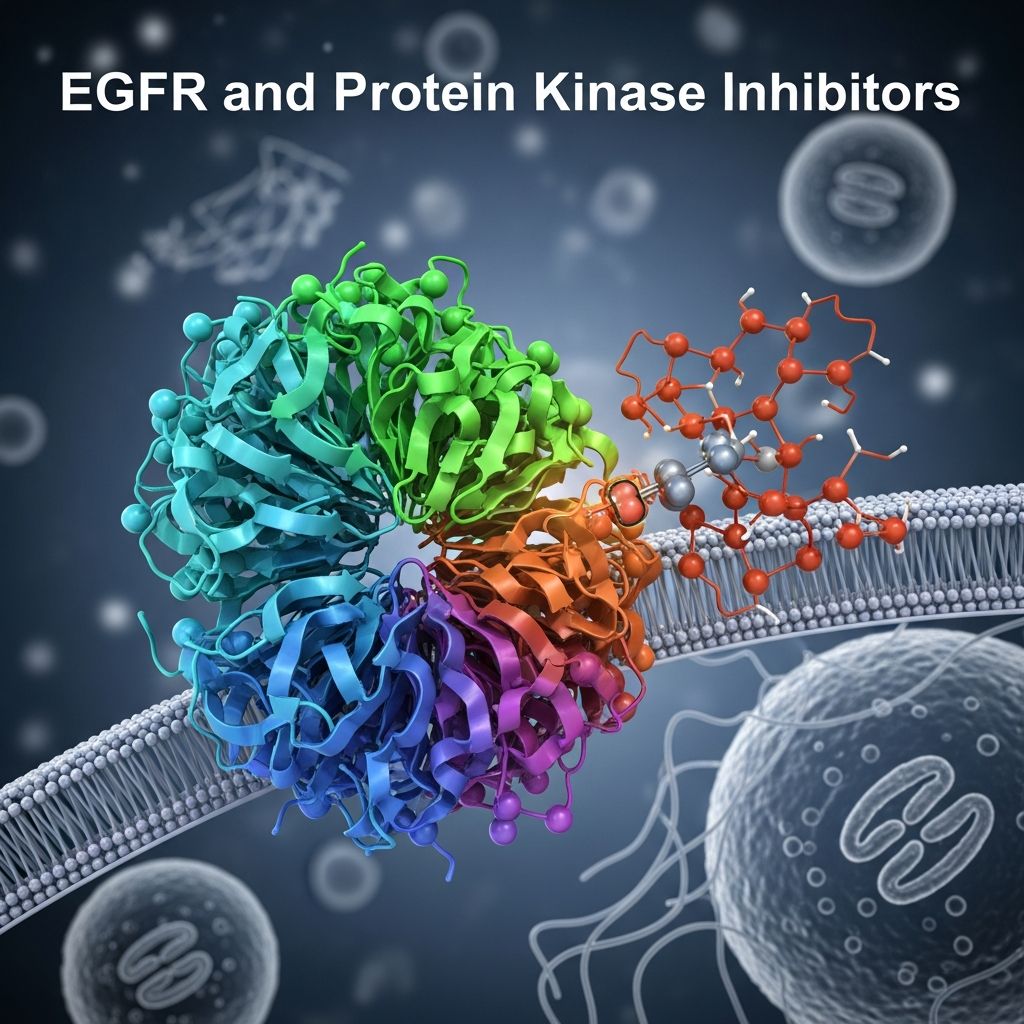
Epidermal growth factor receptor (EGFR) inhibitors and protein kinase inhibitors are targeted therapies used in cancer treatment, particularly for lung, colorectal, head and neck, and pancreatic cancers. These drugs block specific signaling pathways that promote cancer cell growth. EGFR is a receptor tyrosine kinase highly expressed in skin epithelial cells, making the skin particularly susceptible to side effects when this pathway is inhibited.
While effective against tumors harboring EGFR mutations or other kinase alterations, these inhibitors frequently cause cutaneous adverse events in over 50-90% of patients, impacting quality of life and sometimes necessitating dose adjustments. Skin toxicities correlate with therapeutic efficacy, with more severe rashes often indicating better antitumor response. This article details the mechanisms, clinical presentations, risk factors, prevention, and management of these dermatological complications.
What are EGFR inhibitors?
EGFR inhibitors target the epidermal growth factor receptor, a transmembrane protein that regulates cell proliferation, differentiation, and survival. Overexpression or mutation of EGFR drives oncogenesis in various epithelial cancers.
There are two main classes:
- Monoclonal antibodies (mAbs): Large molecules like cetuximab (Erbitux®), panitumumab (Vectibix®), and necitumumab that bind the extracellular domain of EGFR, preventing ligand binding and dimerization.
- Tyrosine kinase inhibitors (TKIs): Small molecules such as gefitinib (Iressa®), erlotinib (Tarceva®), afatinib (Giotrif®), osimertinib (Tagrisso®), and dacomitinib that penetrate cells and inhibit the intracellular tyrosine kinase domain, blocking downstream signaling.
These are approved for non-small cell lung cancer (NSCLC) with EGFR mutations, colorectal cancer with wild-type KRAS, and head/neck squamous cell carcinoma.
Protein kinase inhibitors
Protein kinases phosphorylate proteins to transmit signals. Dysregulated kinase activity contributes to cancer, making them prime therapeutic targets. Protein kinase inhibitors include:
- BCR-ABL inhibitors: Imatinib (Glivec®), dasatinib, nilotinib for chronic myeloid leukemia.
- VEGF inhibitors: Sunitinib (Sutent®), sorafenib (Nexavar®), pazopanib, axitinib for renal cell carcinoma and gastrointestinal stromal tumors.
- BRAF inhibitors: Vemurafenib (Zelboraf®), dabrafenib (Tafinlar®) for BRAF V600E mutant melanoma.
- Multikinase inhibitors: Targeting multiple pathways like EGFR, VEGF, and others.
Many more are in development, expanding treatment options but also the spectrum of cutaneous toxicities.
Who gets EGFR and protein kinase inhibitors?
These therapies are indicated for:
- NSCLC with EGFR mutations (exon 19 deletions, L858R).
- Colorectal cancer (RAS wild-type).
- Head and neck squamous cell carcinoma.
- Pancreatic cancer.
- Melanoma with BRAF mutations.
- Hematological malignancies like CML.
Patients are selected based on tumor biomarker testing.
Mechanisms of cutaneous adverse effects
EGFR is crucial for skin homeostasis, regulating keratinocyte proliferation, differentiation, migration, and survival. Inhibition disrupts the epidermal barrier, reduces stratum corneum hydration, and triggers inflammation.
Key mechanisms include:
- Follicular hyperkeratosis and inflammation: Blocked EGFR signaling upregulates chemokines (CXCL8/IL-8, CCL2, CCL5) attracting neutrophils and causing papulopustular eruptions.
- Barrier dysfunction: Reduced filaggrin and loricrin expression leads to xerosis and fissures.
- Apoptosis: Increased keratinocyte death contributes to fragility.
- Immune activation: Elevated antimicrobial peptides (defensins, cathelicidin) and cytokines (IL-1, TNF-α).
Related Stories



Skin rash severity correlates with drug efficacy due to higher EGFR expression in responding tumors. Protein kinase inhibitors cause similar effects via overlapping pathways.
Common cutaneous side effects
The most frequent reactions occur early and affect areas rich in sebaceous glands.
Folliculitis / acneiform rash
Sterile inflammatory papules and pustules on the face (T-zone), scalp, upper trunk in 40-85% of patients, onset within 1-2 weeks. Peaks at 2-4 weeks, may regress with continued therapy.
Xerosis (dry skin)
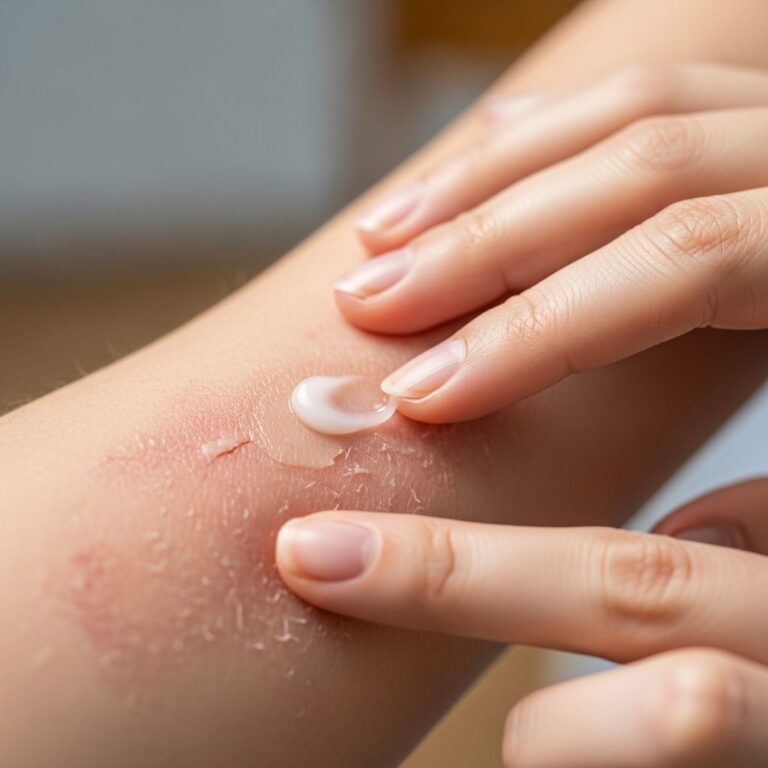
Diffuse dryness in 20-50%, starting 2-3 weeks post-treatment, leading to pruritus and fissures.
Pruritus (itch)
Affects 30-50%, often secondary to rash or xerosis.
Skin fissures
Painful cracks on fingertips, heels, ears after 1-2 months.
Paronychia
Periungual inflammation, pyogenic granuloma-like lesions in 10-30%, onset 4-8 weeks.
Trichomegaly
Curling, lengthening of eyelashes in 50-80% after 1-2 months.
Other effects
- Hair changes: Brittle, loss, depigmentation (sunitinib).
- Nail dystrophy: Beau lines, onycholysis.
- Mucocutaneous: Aphthous ulcers, mucositis.
- Photosensitivity (some kinase inhibitors).
Table 1: Incidence of common cutaneous side effects
| Side Effect | Incidence | Onset |
|---|---|---|
| Folliculitis | 40-85% | 1-2 weeks |
| Xerosis | 20-50% | 2-3 weeks |
| Paronychia | 10-30% | 1-2 months |
| Trichomegaly | 50-80% | 1-2 months |
Risk factors
Predisposing factors include fair skin, prior radiation, combination therapy, and high EGFR expression. Genetic polymorphisms in EGFR pathway genes may influence toxicity.
Assessment
Use CTCAE grading:
- Grade 1: Mild, no intervention.
- Grade 2: Moderate, topical Rx.
- Grade 3: Severe, oral Rx, dose reduce.
- Grade 4: Life-threatening, discontinue.
Regular dermatology consultation recommended.
Prevention
Proactive “EGFR skincare”:
- Moisturize bid with ceramide-based emollients.
- Sunscreen SPF50+ daily.
- Preventive antibiotics: Topical clindamycin or oral minocycline/doxycycline for high-risk patients.
- Avoid irritants, hot showers.
Topical corticosteroids (hydrocortisone) may prevent rash escalation. Emerging: Topical EGFR reactivators like SDT-011.
Management
Tailored to grade:
- Rash: Topical steroids (mometasone), antibiotics (doxycycline 100mg bd).
- Xerosis/fissures: Urea 10-20% cream, petroleum.
- Paronychia: Soaks, topical steroids/antibiotics, eponychium excision if severe.
- Pruritus: Gabapentin, topical menthol.
Systemic steroids for severe cases, but evidence limited. Dose interruption per protocols.
Outcome
Reactions often improve with time or discontinuation. Early management prevents dose reduction in 70-80%. Better rash control improves compliance and survival.
Frequently asked questions
What is the most common skin side effect of EGFR inhibitors?
Folliculitis/acneiform rash on face and upper trunk.
Does skin rash mean the cancer drug is working?
Yes, rash severity correlates with response and survival.
How can I prevent dry skin from these drugs?
Apply fragrance-free moisturizers twice daily and sunscreen.
Is paronychia dangerous?
Usually not, but can be painful; treat early to avoid infection.
Will hair changes reverse?
Most do upon discontinuation.
References
- Skin problems and EGFR-tyrosine kinase inhibitor — Japanese Journal of Clinical Oncology, Oxford Academic. 2016-04-01. https://academic.oup.com/jjco/article/46/4/291/2384961
- Mechanisms underlying skin disorders induced by EGFR inhibitors — PMC / NCBI. 2016-06-15. https://pmc.ncbi.nlm.nih.gov/articles/PMC4905346/
- Epidermal Growth Factor Receptor Inhibitors: Cutaneous Side Effects — Skin Therapy Letter. 2023. https://www.skintherapyletter.com/cutaneous-leishmaniasis/epidermal-growth-factor/
- Preventing skin toxicities induced by EGFR inhibitors by topically… — Science Advances. 2022. https://www.science.org/doi/10.1126/scitranslmed.abo0684
- Cutaneous side effects of EGFR and protein kinase inhibitors — DermNet NZ. 2023. https://dermnetnz.org/topics/egfr-and-protein-kinase-inhibitors
Similar Articles








Read full bio of Sneha Tete