Egg Whites vs. Eggs: Nutrition Comparison
Discover the nutritional differences between egg whites and whole eggs to make informed choices for your diet and health goals.
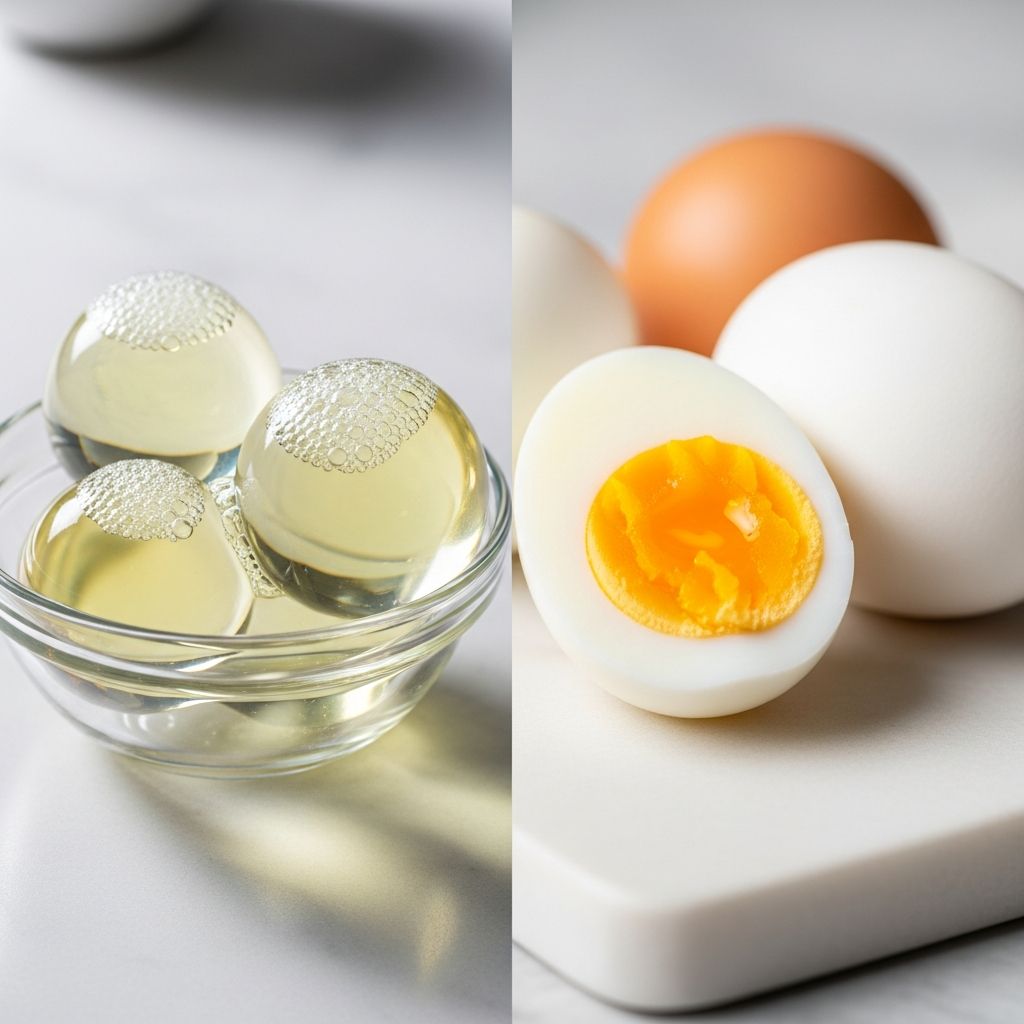
Whole eggs and egg whites offer distinct nutritional profiles, with whole eggs providing a complete nutrient package including proteins, fats, vitamins, and minerals, while egg whites are primarily a low-calorie, high-protein option lacking the yolk’s essential nutrients.
What Are Egg Whites?
Egg whites, also known as albumen, constitute about 60% of an egg’s total weight and are the clear, viscous liquid surrounding the yolk. They are mostly water (about 90%), with the remaining composed of proteins like ovalbumin, which makes up 54% of the protein content. Egg whites are prized in diets for their purity as a lean protein source, free from fats and cholesterol found in the yolk.
Commercially, egg whites are available fresh in shells, pasteurized liquid in cartons, or powdered for convenience. They whip into foams ideal for meringues and soufflés due to their protein structure that traps air when beaten.
What Are Whole Eggs?
Whole eggs include both the white and the yolk, delivering a synergistic nutrient blend. The yolk, about 30% of the egg, houses nearly all the vitamins, minerals, healthy fats, and cholesterol. Eggs are nutrient-dense, providing high-quality protein with all essential amino acids in ideal ratios, often used as the gold standard for protein quality assessment.
Recent 2025-2030 Dietary Guidelines emphasize eggs as a top protein choice across life stages, highlighting their complete, bioavailable protein and nutrients like choline for brain health from pregnancy to aging.
A single large egg (50g) breaks down as follows: egg white (33g) and yolk (17g). Here’s a detailed nutritional showdown per large serving:
| Nutrient | Egg White (1 large) | Whole Egg (1 large) | % Daily Value (Whole Egg) |
|---|---|---|---|
| Calories | 17 | 72 | 4% |
| Protein | 3.6g | 6.3g | 13% |
| Total Fat | 0g | 4.8g | 6% |
| Saturated Fat | 0g | 1.6g | 8% |
| Cholesterol | 0mg | 186mg | 62% |
| Carbs | 0.2g | 0.4g | <1% |
| Vitamin A | 0% | 6% | 6% |
| Vitamin D | 0% | 10% | 10% |
| Vitamin E | 0% | 7% | 7% |
| Choline | Trace | 147mg (27% DV) | 27% |
| Selenium | 9mcg (16% DV) | 15.4mcg (28% DV) | 28% |
| Riboflavin | 0.15mg (12% DV) | 0.23mg (18% DV) | 18% |
Whole eggs deliver over 13 essential vitamins and minerals, with the yolk contributing lutein, zeaxanthin for eye health, and omega-3s in enriched varieties. Egg whites offer pure protein but miss 40% of the egg’s total protein and all fat-soluble nutrients.
Health Benefits of Egg Whites
- Low-Calorie Protein Boost: Ideal for weight management, with 3.6g protein per white supporting muscle repair without added calories.
- Versatile for Low-Fat Diets: Zero fat and cholesterol make them suitable for heart-conscious eating or reducing calorie density in meals.
- Supports Muscle Building: High biological value protein aids athletes and those increasing lean mass.
- Hydration and Satiety: High water content promotes fullness, aiding portion control.
Health Benefits of Whole Eggs
- Complete Nutrition: High-quality protein standard, with PDCAAS score of 1.0, plus choline for cognitive health and Alzheimer’s risk reduction.
- Eye and Brain Health: Lutein, zeaxanthin, and choline protect against age-related macular degeneration and support memory.
- Satiety and Weight Control: Studies show eggs increase fullness, potentially lowering daily calorie intake.
- Heart-Healthy Fats: Despite cholesterol, meta-analyses indicate no adverse effects on blood cholesterol for most; yolks provide monounsaturated fats.
- Bone and Immune Support: Vitamin D, selenium, and B12 bolster immunity and skeletal health.
The 2025-2030 Dietary Guidelines list eggs first among proteins, reinforcing their role in healthy eating patterns for all ages, backed by NIH recognition as a ‘superfood’.
Related Stories



Potential Downsides and Risks
Egg Whites Risks
- Biotin Deficiency: Avidin binds biotin; cooking neutralizes it, but raw whites pose risk.
- Nutrient Gaps: Lacks vitamins A, D, E, K, and choline, requiring dietary compensation.
- Salmonella: Raw or undercooked whites carry contamination risk; pasteurization mitigates.
Whole Eggs Risks
- Cholesterol Concerns: 186mg per egg; dietary cholesterol minimally impacts blood levels for most, per recent research.
- Calorie Density:
- Allergies: Common allergen; affects 2% of children.
- Overconsumption: Balance with varied proteins to avoid nutrient imbalances.
Higher at 72kcal, less ideal for strict calorie deficits.
Which Is Healthier: Egg Whites or Whole Eggs?
Neither is universally ‘healthier’; it depends on goals. Egg whites suit low-fat, low-calorie needs, like bodybuilding cuts. Whole eggs excel for nutrient density, endorsed by dietary guidelines as a top choice for comprehensive health. Experts recommend 1-3 whole eggs daily for most, prioritizing yolks’ benefits over outdated cholesterol fears. For calorie counters, mix whites with yolks (e.g., 2 whites + 1 whole).
Dietitian-Approved Ways to Enjoy Egg Whites and Whole Eggs
- Breakfast Bowls: Scramble 2 whites with spinach and tomatoes for low-cal fuel.
- Whole Egg Frittatas: Bake with veggies and cheese for nutrient-packed meals.
- Protein Pancakes: Blend whites or whole eggs with oats and fruit.
- Salads: Hard-boil whole eggs for portable protein.
- Smoothies: Pasteurized whites add creaminess without dairy.
- Omelets: 1 yolk + 3 whites balances nutrition and leanness.
Incorporate variety: aim for 12-24g protein per meal per guidelines.
FAQs
Are egg whites healthier than whole eggs?
No, whole eggs are more nutrient-dense overall, providing essential fats and vitamins absent in whites, though whites are lower in calories.
Can I eat eggs every day?
Yes, 1-2 whole eggs daily are safe and beneficial for most, supporting protein needs without cholesterol risks for the majority.
Do egg whites have cholesterol?
No, cholesterol is solely in the yolk; whites are cholesterol-free.
Are egg whites good for weight loss?
Yes, their low calories and high protein promote satiety and muscle preservation during deficits.
How many egg whites equal one whole egg?
About 2 whites provide similar protein (6-7g), but lack yolk nutrients.
Is it safe to eat raw egg whites?
Not recommended due to salmonella and biotin issues; cook or use pasteurized.
References
- New Dietary Guidelines Emphasize Protein and Recommend Eggs as a High-Quality Nutritious Choice — PR Newswire / American Egg Board. 2026-01-08. https://www.prnewswire.com/news-releases/new-dietary-guidelines-emphasize-protein-and-recommend-eggs-as-a-high-quality-nutritious-choice-for-americans-at-every-age-302656793.html
- Eggs vs Whites: Which One is Healthier? — Sauder Eggs Blog. 2018-03-23. https://saudereggs.com/blog/eggs-vs-egg-whites-which-one-is-healthier/
Similar Articles








Read full bio of Sneha Tete