Ehlers-Danlos Syndrome: Symptoms, Diagnosis, And Care
Comprehensive insights into Ehlers-Danlos Syndrome: symptoms, diagnosis, management strategies, and living well with this connective tissue disorder.
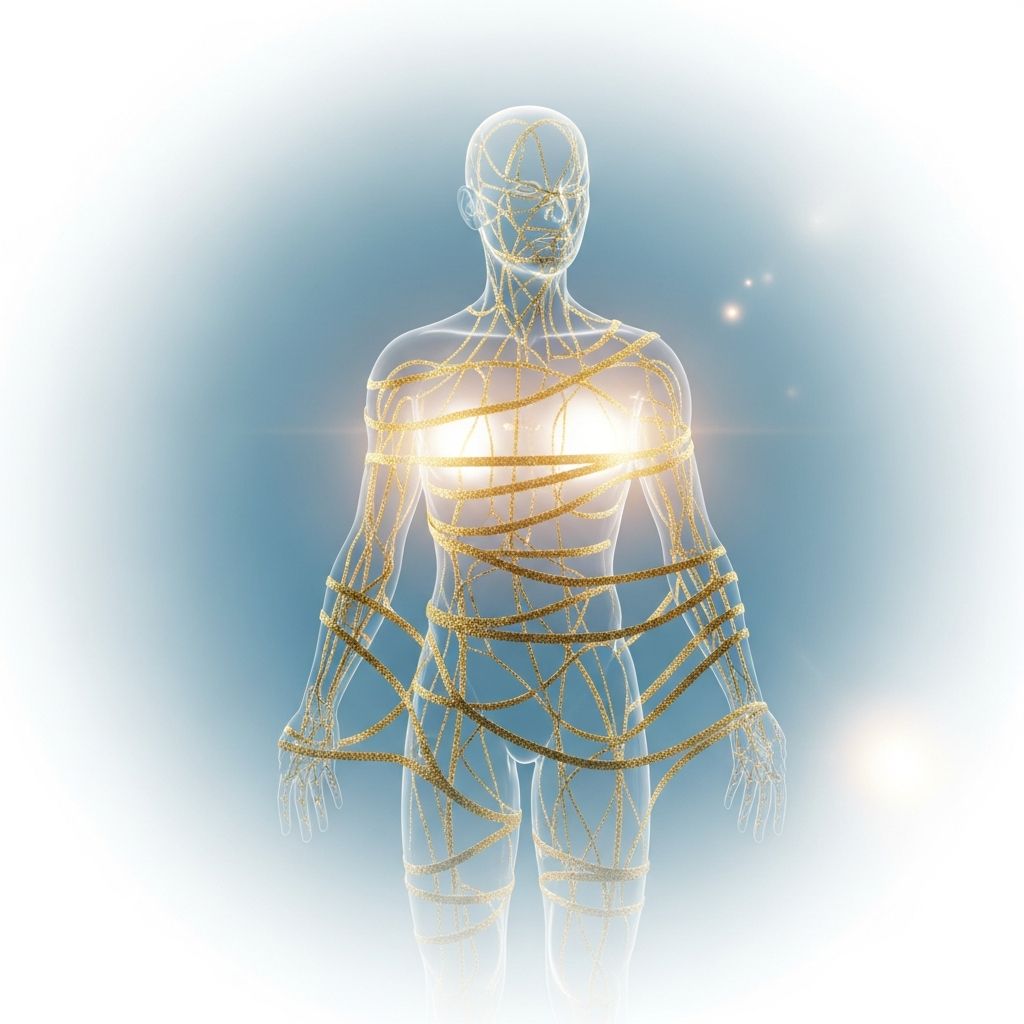
Ehlers-Danlos Syndrome (EDS) refers to a collection of inherited disorders that compromise the body’s connective tissues, primarily due to defects in collagen production or structure. This impacts skin, joints, blood vessels, and internal organs, leading to a wide array of symptoms that vary by subtype.
Understanding the Core Nature of EDS
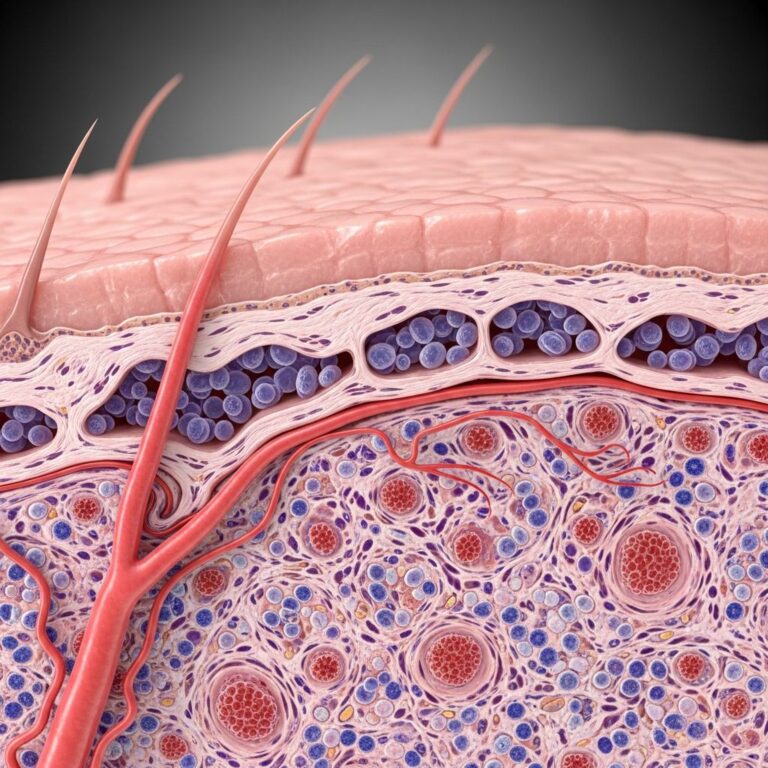
Connective tissues act as the scaffolding for the body, providing support and elasticity. In EDS, genetic mutations disrupt this framework, resulting in overly flexible joints, stretchy skin, and fragile tissues. The most prevalent form, hypermobile EDS (hEDS), affects multiple systems and is increasingly recognized in primary care settings. Unlike rarer subtypes, hEDS does not typically involve extreme skin fragility but presents with widespread musculoskeletal issues.
Recognizing EDS early can prevent complications and improve outcomes. While once thought rare, hypermobility spectrum disorders are common, often overlapping with conditions like postural orthostatic tachycardia syndrome (POTS) and mast cell activation syndrome (MCAS).
Primary Symptoms and Their Impact
Individuals with EDS experience a constellation of symptoms that can profoundly affect daily functioning.
Joint hypermobility
is a hallmark, where joints extend beyond normal ranges, increasing risks of subluxations or dislocations.- Chronic, widespread pain affecting limbs and persisting for months
- Skin that bruises easily, heals slowly, and develops atrophic scars
- Fatigue that resists rest, impairing cognition and productivity
- Gastrointestinal disturbances, including hernias or prolapse
**Chronic pain** stands out as a relentless challenge, often linked to neuroinflammation or autonomic issues. It can trigger anxiety and depression, with nearly half of patients reporting mental health struggles due to physical limitations. Fatigue compounds this, leading to social withdrawal and reduced quality of life.
Types of Ehlers-Danlos Syndrome
Healthcare experts classify EDS into 13 subtypes, each with distinct genetic causes and severities. The five most common include hypermobile, classical, vascular, kyphoscoliotic, and arthrochalasia types.
| Type | Key Features | Severity |
|---|---|---|
| Hypermobile (hEDS) | Joint laxity, pain, no major skin fragility | Common, multisystem |
| Classical | Very stretchy skin, easy scarring | Moderate |
| Vascular | Fragile vessels, rupture risk | Life-threatening |
| Kyphoscoliotic | Scoliosis from birth, eye fragility | Severe |
| Arthrochalasia | Severe dislocations, hip issues | Severe |
Vascular EDS poses the highest risk, with potential for arterial tears leading to stroke or organ rupture. Ongoing efforts, like the 2026 classification update, aim to refine these categories for better diagnosis.
Diagnostic Process for EDS
Diagnosis begins with a thorough clinical evaluation, focusing on family history, physical exam, and symptom checklists. For hEDS, the 2017 International Consortium criteria require three main components.
Criterion 1: Generalized Joint Hypermobility – Assessed via Beighton score (≥5 for adults, ≥6 for children).
Criterion 2: Additional Features – At least two of: skin/soft tissue signs (e.g., velvety skin, striae), family history, or musculoskeletal issues like recurrent pain.
Criterion 3: Exclusion – Rule out other connective tissue disorders.
Related Stories



Providers check for signs like piezogenic papules, arachnodactyly, or mitral valve prolapse. Genetic testing confirms rarer types but is less useful for hEDS. Associated conditions like POTS—characterized by rapid heart rate upon standing—warrant screening.
Common Complications and Co-Occurrences
EDS often intersects with other disorders.
Autonomic dysfunction
, seen in many hEDS cases, manifests as orthostatic intolerance: dizziness, palpitations, and fatigue when upright. POTS affects heart rate, while MCAS triggers allergic-like reactions.- Orthostatic hypotension or vasovagal syncope
- Exercise intolerance and headaches
- Gastrointestinal dysmotility
- Mental health challenges from chronic symptoms
Life-threatening issues in vascular EDS demand vigilant monitoring.
Comprehensive Management Strategies
Treatment is multidisciplinary, tailored to symptoms. No cure exists, but strategies mitigate impacts.
Pain and Mobility Management
Physical therapy emphasizes strengthening without overstretching. Bracing supports unstable joints. Analgesics, gentle bodywork, and mind-body practices like mindfulness reduce pain perception. Address inflammation via diet or supplements.
Fatigue and Sleep Optimization
Implement sleep hygiene: consistent schedules, magnesium, and light blockers. Pace activities to conserve energy.
Autonomic and Comorbid Care
For POTS, increase salt/fluids, use compression garments, and consider medications. Monitor for MCAS with antihistamines.
Mental Health Support
Counseling and support groups address emotional toll. Collagen fragility may even affect brain tissue, heightening vulnerability.
Living Daily with EDS
Adaptations enhance independence. Use ergonomic tools, plan rest breaks, and communicate needs. Books like those by Isobel Knight offer patient perspectives on pain, pregnancy, and performance arts. Kevin Muldowney’s guide provides exercise protocols.
Dietary adjustments—anti-inflammatory foods, adequate hydration—support tissue health. Exercise gently: swimming or Pilates suit hypermobile joints.
Future Directions in EDS Research
The Ehlers-Danlos Society’s 2026 initiative promises updated criteria, diagnostic pathways, and treatment guidelines, aiming to shorten diagnosis times and improve care. This builds on 2017 advancements, fostering global progress.
Frequently Asked Questions (FAQs)
What causes Ehlers-Danlos Syndrome?
Genetic mutations in collagen genes or related proteins.
Is EDS curable?
No, but symptoms are manageable with therapy and lifestyle changes.
How is hypermobile EDS diagnosed?
Using Beighton score, clinical features, and exclusion of mimics.
Can EDS affect pregnancy?
Yes, increasing risks of joint issues and tissue weakness; specialist care advised.
What is the prognosis for EDS?
Varies by type; most live full lives with proper management.
(Word count: 1678)
References
- Ehlers-Danlos Syndrome and Hypermobility: Management Guide — ThinkVida. 2023. https://thinkvida.com/blog/living-with-ehlers-danlos-syndrome-and-hypermobility-spectrum-disorder-a-comprehensive-guide-to-management/
- The Ehlers-Danlos syndromes (EDS) GP Toolkit — Ehlers-Danlos.org. 2023. https://gptoolkit.ehlers-danlos.org
- Diagnostic Criteria for Hypermobile Ehlers-Danlos Syndrome (hEDS) — Ehlers-Danlos Society. 2017-05. https://www.ehlers-danlos.com/wp-content/uploads/2017/05/hEDS-Dx-Criteria-checklist-1.pdf
- Ehlers-Danlos Syndrome (EDS): Symptoms, Treatment & Tests — Cleveland Clinic. 2024. https://my.clevelandclinic.org/health/diseases/17813-ehlers-danlos-syndrome
- Books on Ehlers-Danlos Syndrome — Chronic Pain Partners. 2023. https://www.chronicpainpartners.com/books-on-ehlers-danlos-syndrome/
- The Road to 2026: A Path Toward Progress — Ehlers-Danlos Society. 2023. https://www.ehlers-danlos.com/road-to-2026/
Similar Articles








Read full bio of medha deb