Ehlers-Danlos Syndrome Symptoms: 4 Essential Signs Explained
Recognizing the signs of Ehlers-Danlos syndrome: from joint hypermobility and stretchy skin to chronic pain and organ complications.

Ehlers-Danlos syndrome (EDS) encompasses 13 heritable connective tissue disorders caused by defects in collagen production, leading to a wide range of symptoms affecting joints, skin, blood vessels, and internal organs. Common signs include joint hypermobility, stretchy skin, easy bruising, and chronic pain, often appearing in childhood or early adulthood. While most types are rare, hypermobile EDS (hEDS) is more prevalent and frequently underdiagnosed.
What Is Ehlers-Danlos Syndrome?
EDS refers to a group of genetic conditions that weaken connective tissues throughout the body, impacting collagen—a protein providing structure to skin, joints, blood vessels, and organs. First described in the 17th century, the current classification recognizes 13 subtypes, updated in 2017, each with varying severity and specific features. Hypermobile EDS (hEDS), the most common, features generalized joint laxity without a known genetic marker in all cases, while vascular EDS carries life-threatening risks like arterial rupture.
Symptoms vary widely even within subtypes, ranging from mild joint looseness to severe complications like aortic dissection or organ rupture. Connective tissue involvement means EDS affects multiple systems, leading to unexpected issues beyond joints and skin. Diagnosis relies on clinical criteria, family history, and genetic testing for certain types.
Ehlers-Danlos Syndrome Symptoms
Symptoms of EDS primarily manifest in joints, skin, and vascular systems but can extend to gastrointestinal, neurological, and musculoskeletal areas. Key signs include:
- Joint hypermobility: Loose, overly flexible joints prone to dislocations, with shoulder dislocations often an early indicator.
- Skin abnormalities: Stretchy, velvety, or hyperextensible skin that bruises easily, tears with minor trauma, and heals with wide, atrophic scars.
- Chronic pain: Widespread musculoskeletal pain (myalgia and arthralgia), fatigue, and muscle weakness, often debilitating.
- Postural issues: Poor control, tendency to fall, dizziness upon standing (orthostatic intolerance), and delayed walking in infants.
Gastrointestinal symptoms are common, including dysmotility causing bloating, nausea, constipation, diarrhea, reflux, and hernias due to lax ligaments. Autonomic dysfunction, like postural orthostatic tachycardia syndrome (POTS), leads to palpitations, fainting, and exercise intolerance.
Skin Symptoms of Ehlers-Danlos Syndrome
Skin in EDS is often soft, velvety, and hyperextensible, stretching beyond normal limits before snapping back. Fragility causes easy cuts, slow healing, and “cigarette paper” scars. Easy bruising results from weak vessel walls, and some types show acrogeria (premature hand/foot skin aging) or fat atrophy. Not all patients exhibit hyperextensibility; thin, translucent skin revealing veins is also typical.
Musculoskeletal and Joint Symptoms
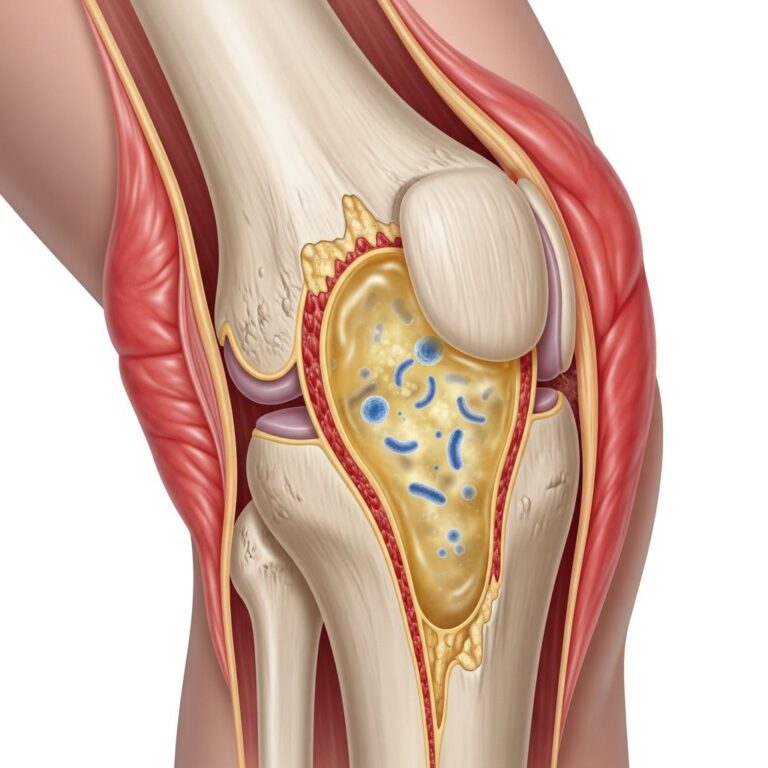
Joint hypermobility allows excessive range of motion, leading to instability, recurrent subluxations/dislocations (especially shoulders, knees, fingers), and early osteoarthritis. Chronic pain affects up to 90% of patients, worsened by instability and poor proprioception. Muscle weakness, fatigue, and Trendelenburg’s sign (pelvic drop when standing on one leg) are frequent. Flat feet, scoliosis, and Osgood-Schlatter disease (painful knee lumps) compound mobility issues.
Related Stories



Cardiovascular and Vascular Symptoms
Vascular EDS poses the gravest risks, including arterial/intestinal rupture, aortic dissection, and pneumothorax. Less severe types may still feature varicose veins, mitral valve prolapse, or dysautonomia. Orthostatic intolerance syndromes like POTS cause dizziness, tachycardia, and syncope upon standing.
Gastrointestinal and Internal Organ Symptoms
Weakened connective tissue leads to hiatal hernia, gastroesophageal reflux, poor motility (delayed gastric emptying, constipation), and prolapse risks. Functional issues include bloating, nausea, and intussusception; structural problems like increased elastin promote herniation.
Neurological and Other Systemic Symptoms
EDS links to dysautonomia, migraines, Chiari malformation (brain herniation), and neuropathy. Ophthalmic issues include myopia, retinal detachment, keratoconus, and blue sclerae. Hearing loss, dental problems (gum recession, enamel hypoplasia), and mast cell disorders are comorbidities.
How Is Ehlers-Danlos Syndrome Diagnosed?
Diagnosis starts with Beighton score for hypermobility (assessing finger, thumb, elbow, knee flexibility, and spinal mobility). Clinical criteria for hEDS include hypermobility plus skin/soft tissue issues and family history or comorbidities. Genetic testing confirms 12 subtypes; hEDS remains clinical. Differential diagnosis rules out Marfan syndrome or Stickler syndrome. Early recognition is crucial, as delays lead to pain mismanagement and disrupted life.
Ehlers-Danlos Syndrome Treatment
No cure exists; management is multidisciplinary, focusing on symptom relief and complication prevention. Strategies include:
- Physical therapy for joint stability and pain reduction.
- Pain management with medications, avoiding opioids if possible.
- Bracing/splinting for unstable joints.
- Lifestyle: Low-impact exercise, injury avoidance, balanced diet.
- Surgical interventions cautiously due to poor healing/bleeding risks.
Comorbidities like POTS treated with compression, salt/fluids, beta-blockers. Vascular monitoring via imaging for at-risk types.
Complications of Ehlers-Danlos Syndrome
Complications range from chronic pain/depression to life-threatening ruptures in vascular EDS (median survival ~48 years). Joint degeneration leads to osteoarthritis; GI issues cause malnutrition. Pregnancy risks include uterine rupture. Mental health issues like ADHD, autism, OCD are elevated.
| EDS Type | Key Complications |
|---|---|
| Hypermobile (hEDS) | Chronic pain, dysautonomia, GI dysmotility |
| Vascular | Artery/organ rupture, pneumothorax |
| Classical | Skin fragility, scarring |
Living With Ehlers-Danlos Syndrome
Patients benefit from support networks like The Ehlers-Danlos Society, education on pacing activities, and mental health support. Adaptive tools (orthotics, mobility aids) improve quality of life. Family planning requires genetic counseling. Research advances in gene therapies offer hope.
Frequently Asked Questions (FAQs)
What are the first signs of Ehlers-Danlos syndrome?
Early signs often include joint hypermobility (e.g., shoulder dislocations), stretchy skin, easy bruising, and fatigue, noticeable in childhood.
Is Ehlers-Danlos syndrome life-threatening?
Most types are not, but vascular EDS risks arterial rupture; overall life expectancy varies by type.
Can Ehlers-Danlos syndrome be cured?
No, but symptoms are managed with therapy, medications, and lifestyle changes.
Who is at risk for EDS?
It is genetic; risk increases with family history. hEDS may affect 1 in 3,100–5,000 people.
Does EDS worsen with age?
Yes, joint damage accumulates, leading to more pain and osteoarthritis.
References
- Ehlers-Danlos Syndrome (EDS) Life Expectancy, Symptoms, Causes — eMedicineHealth. 2024. https://www.emedicinehealth.com/ehlers-danlos_syndrome_life_expectancy/article_em.htm
- Ehlers–Danlos syndrome — Wikipedia (citing primary sources). 2024. https://en.wikipedia.org/wiki/Ehlers%E2%80%93Danlos_syndrome
- The Ehlers-Danlos syndromes (EDS) GP Toolkit — Ehlers-Danlos Society. 2024. https://gptoolkit.ehlers-danlos.org
- What is EDS? — The Ehlers-Danlos Society. 2024. https://www.ehlers-danlos.com/what-is-eds/
- Hypermobile Ehlers-Danlos Syndrome — NCBI GeneReviews. 2024-05-23. https://www.ncbi.nlm.nih.gov/books/NBK1279/
Similar Articles








Read full bio of Sneha Tete