Ehlers-Danlos Syndrome: 13 Types, Symptoms, Diagnosis
Comprehensive guide to Ehlers-Danlos syndromes: symptoms, types, diagnosis, and management strategies for this genetic connective tissue disorder.
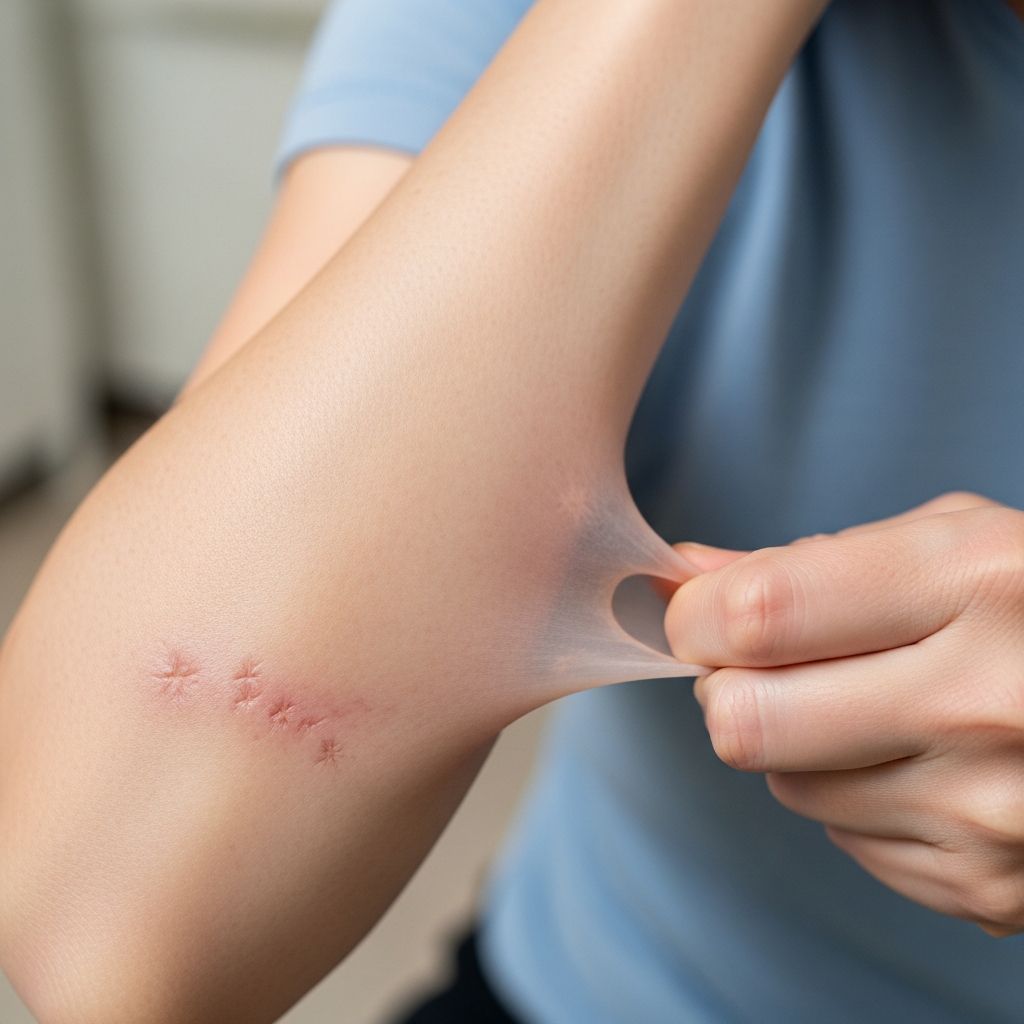
Ehlers-Danlos syndrome (EDS) refers to a group of 13 heritable connective tissue disorders caused by genetic changes affecting collagen synthesis and connective tissue structure. These conditions impact skin, joints, blood vessels, and internal organs, leading to symptoms like joint hypermobility, skin hyperextensibility, easy bruising, and tissue fragility. First described in the 17th century, modern classification recognizes distinct subtypes with varying inheritance patterns and clinical features.
What is Ehlers-Danlos Syndrome?
EDS comprises disorders of collagen—a key protein providing strength and elasticity to connective tissues throughout the body. Genetic mutations disrupt collagen formation, function, or assembly, resulting in widespread effects on virtually every organ system. Prevalence varies by subtype; hypermobile EDS (hEDS) is the most common, affecting up to 1 in 3,100–5,000 people, while rarer vascular types occur in 1 in 50,000–200,000. Complications include arterial/organ rupture, chronic pain, joint instability, and fatigue, underscoring the need for early diagnosis and management.
Who gets Ehlers-Danlos Syndrome?
EDS affects all ethnicities, ages, and genders, though hEDS may be underdiagnosed in males. It is inherited—autosomal dominant in classical and vascular types (50% chance per child), recessive in others (25% risk). De novo mutations occur in some cases. Hypermobile spectrum disorders overlap with hEDS, seen commonly in primary care.
What causes Ehlers-Danlos Syndrome?
Pathogenic variants in 20+ genes cause EDS subtypes. Collagen types I, III, and V are most affected:
- Classical EDS (cEDS): COL5A1/COL5A2 mutations (AD).
- Hypermobile EDS (hEDS): Unknown gene; clinical diagnosis.
- Vascular EDS (vEDS): COL3A1 mutations (AD), risking arterial rupture.
- Kyphoscoliotic EDS: PLOD1/LH1 deficiency (AR).
- Cardiac-valvular EDS: COL1A2 mutations (AR).
Defective collagen leads to fragile tissues, hyperelastic skin, and lax joints.
What are the clinical features of Ehlers-Danlos Syndrome?
Core triad: joint hypermobility, skin hyperextensibility, tissue fragility. Subtype-specific features vary.
Skin features
- Soft, velvety, hyperextensible skin (pulls >1.5cm on forearm).
- Easy bruising, fragile skin with poor wound healing and atrophic (‘cigarette paper’) scars.
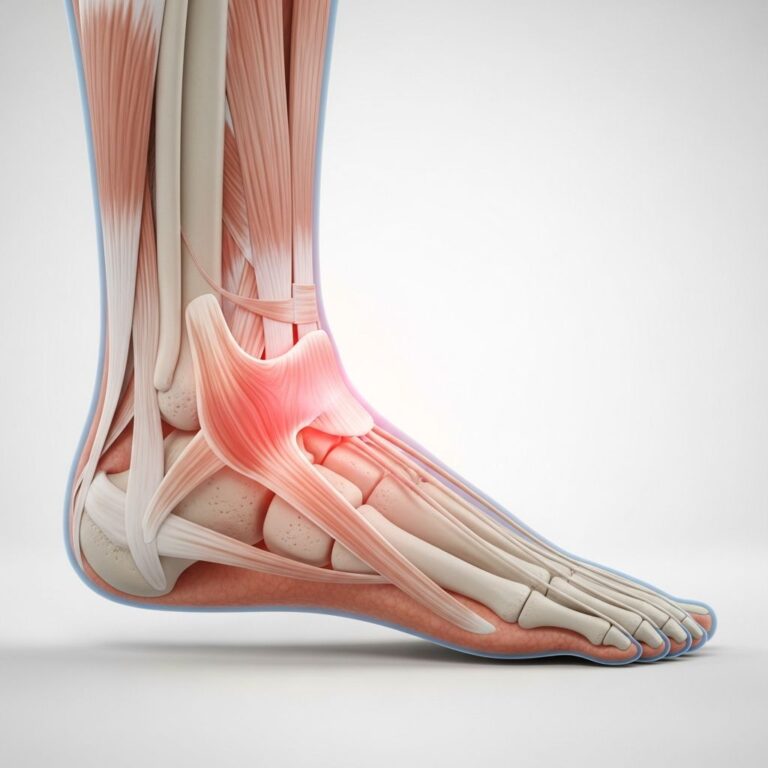
- Piezogenic papules (heel fat herniation), molluscoid pseudotumours.
Musculoskeletal features
- Generalized joint hypermobility (Beighton score ≥5/9 adults, ≥6/9 children).
- Recurrent dislocations/subluxations (shoulders, patellae), early osteoarthritis, chronic pain.
- Scoliosis, flat feet, muscle hypotonia.
Vascular and internal features
- Arterial fragility/rupture (vEDS), organ perforation, varicose veins.
- Autonomic dysfunction: POTS, orthostatic intolerance, fatigue.
- GI issues: hernias, prolapse, dysmotility.
| Subtype | Key Features | Inheritance |
|---|---|---|
| Classical (cEDS) | Skin fragility, atrophic scars, hypermobility | AD |
| Hypermobile (hEDS) | Joint laxity, pain, no major skin fragility | Clinical |
| Vascular (vEDS) | Arterial rupture, thin skin, characteristic facies | AD |
| Kyphoscoliotic | Scoliosis at birth, eye globe rupture risk | AR |
How is Ehlers-Danlos Syndrome diagnosed?
Diagnosis combines clinical criteria, family history, and genetic testing. 2017 criteria classify 13 subtypes.
Hypermobile EDS (hEDS) criteria
Criterion 1: Beighton score ≥5 (adults) or ≥6 (children).
Criterion 2: ≥2 of A (skin striae, hernias, etc.), B (pain ≥3 months), C (instability).
Criterion 3: Exclude other disorders, no unusual fragility.
For other types: major/minor criteria plus genetic confirmation (e.g., COL3A1 for vEDS).
Related Stories



What is the differential diagnosis for Ehlers-Danlos Syndrome?
- Marfan syndrome, Loeys-Dietz (aortic risks).
- Stickler syndrome (eye/joint issues).
- Autoinflammatory diseases, mast cell disorders (overlap with MCAS).
- Hypermobility spectrum disorder (milder than hEDS).
What is the treatment for Ehlers-Danlos Syndrome?
Symptomatic, multidisciplinary: physiotherapy, pain management, orthotics, vascular monitoring. No cure; focus on preventing complications.
- Pain: Physiotherapy, low-impact exercise, meds (avoid NSAIDs in vEDS).
- Joints: Bracing, PT to strengthen stabilizers.
- Vascular: Beta-blockers, regular imaging for vEDS.
- Associated: Manage POTS (compression, salt), GI symptoms.
What is the prognosis for Ehlers-Danlos Syndrome?
Varies by subtype: hEDS causes chronic pain/disability; vEDS has 50% mortality by age 48 from rupture. Early intervention improves quality of life.
Patient education and support
Join Ehlers-Danlos Society for resources. Multidisciplinary care optimizes outcomes.
Frequently Asked Questions
What are the 13 types of EDS?
Classical, hypermobile, vascular, kyphoscoliotic, arthrochalasia, dermatosparaxis, brittle cornea, cardiac-valvular, progeroid, musculocontractural, myxoid, spondylodysplastic, periodontal.
Can EDS be cured?
No, but symptoms are manageable with therapy and monitoring.
Is EDS hereditary?
Yes, most types are genetic (AD/AR).
How to test for joint hypermobility?
Use Beighton score: palms to floor, elbows/thumbs, pinky bend.
Does EDS affect pregnancy?
High-risk; vascular type increases uterine/arterial rupture.
References
- Ehlers-Danlos Syndrome – StatPearls — NCBI Bookshelf, NIH. 2023-07-17. https://www.ncbi.nlm.nih.gov/books/NBK549814/
- The Ehlers-Danlos syndromes (EDS) GP Toolkit — Ehlers-Danlos.org. 2023. https://gptoolkit.ehlers-danlos.org
- Diagnostic Criteria for Hypermobile Ehlers-Danlos Syndrome (hEDS) — The Ehlers-Danlos Society. 2017. https://www.ehlers-danlos.com/wp-content/uploads/2017/05/hEDS-Dx-Criteria-checklist-1.pdf
- The Ehlers Danlos Society: Home — Ehlers-Danlos Society. 2024. https://www.ehlers-danlos.com
- Living with Ehlers-Danlos Syndrome and Hypermobility Spectrum Disorder — ThinkVida. 2023. https://thinkvida.com/blog/living-with-ehlers-danlos-syndrome-and-hypermobility-spectrum-disorder-a-comprehensive-guide-to-management/
Similar Articles








Read full bio of Sneha Tete